
Bangladesh forms wage board on garment pay after protests shut factories near Dhaka
Bangladesh is forming a board to review garment workers' minimum wage after pay protests near Dhaka closed factories and led to clashes with police; workers are demanding 30,000 taka a month, according to Al Jazeera.
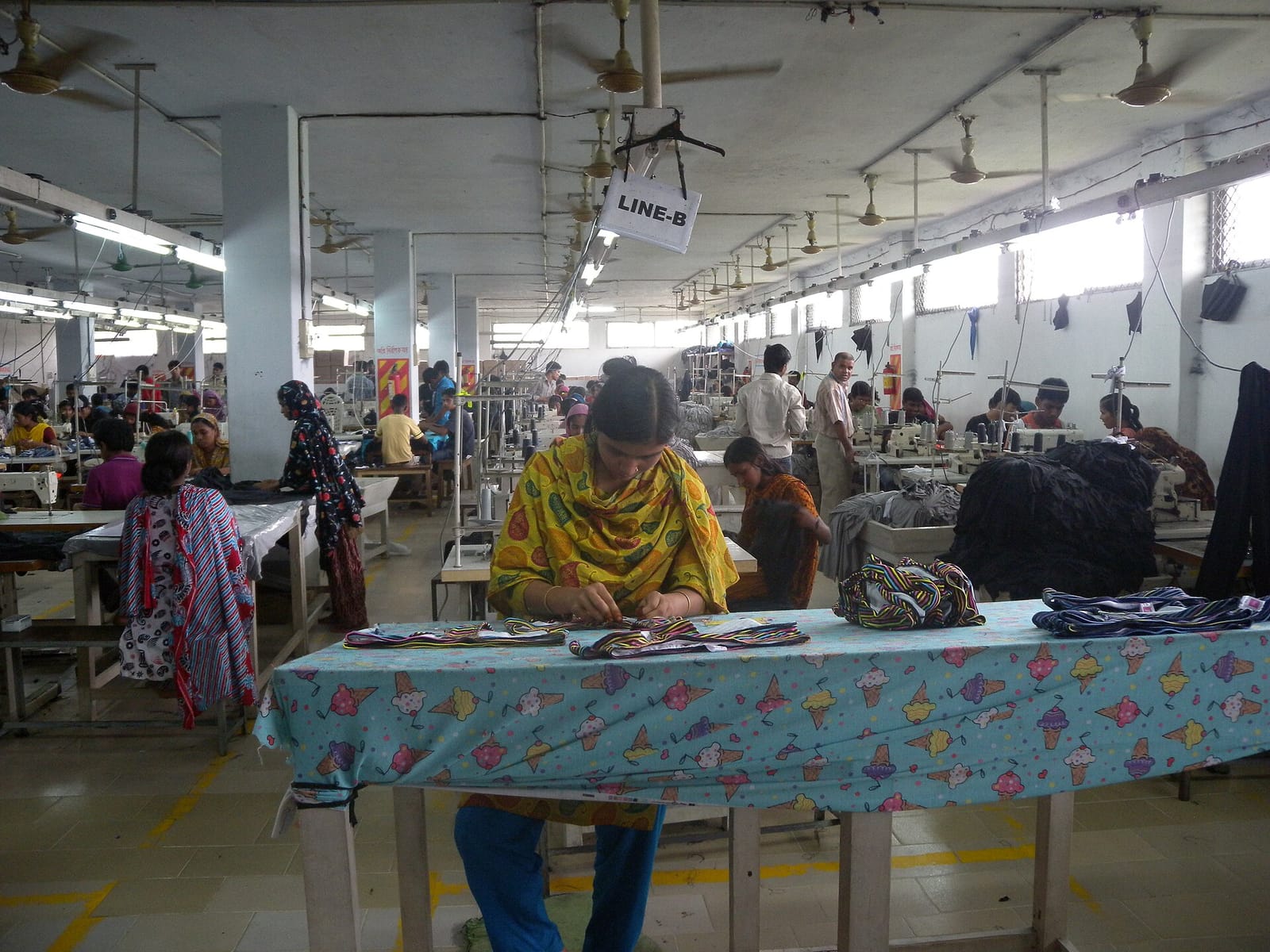

Bangladesh is forming a wage board to review the minimum wage of garment workers. The move follows protests over pay that shut factories near the capital, Dhaka. The protests also led to clashes between workers and police.
Reuters reported early on Sunday that the board would be set up that day. Al Jazeera later reported that it had been formed.
The two outlets gave different figures for factory closures. Reuters reported that "dozens" of factories had shut. Al Jazeera reported that about 30 factories on the outskirts of Dhaka declared holidays. It attributed that figure to Mohammad Mominul Islam Bhuiyan, superintendent of the Ashulia Industrial Police.
What else is reported
According to Al Jazeera:
- The protests began on Saturday.
- Thousands of workers kept protesting around Dhaka on Sunday after the wage board was announced.
- Police fired tear gas and sound grenades.
- Clashes in Ashulia injured several people, including police officers, according to police.
- The board has six members, including representatives of the government, workers and factory owners. Its task is to set a new minimum wage.
- The current minimum monthly wage for garment workers is 12,500 taka ($101).
Al Jazeera also reported that Bangladesh's garment industry is the world's largest after China's. It contributes about 10 percent of GDP, employs millions of workers and generates the bulk of the country's foreign earnings.
What each side says
Workers demand a minimum monthly wage of 30,000 taka ($242), according to Al Jazeera. They say rising costs of food, housing, transport and healthcare have sharply eroded their purchasing power.
M Sakhawat Hossain Chowdhury, an adviser at the Ministry of Labour and Employment, told reporters: "The issue of forming the wage board has been resolved. There will be no more problems now," according to Al Jazeera. He added: "The workers should return to work and work smoothly."
Labour and Employment Minister Ariful Haque Chowdhury said long closures and production disruptions could delay export shipments and payments from international buyers, according to Al Jazeera. He said this would create further difficulties for manufacturers and workers.
Manufacturers say the sector faces mounting challenges, according to Al Jazeera. They cite rising production costs, periodic gas and electricity shortages, and energy-market uncertainty linked to tensions in the Middle East. Al Jazeera described those tensions as occurring during the United States-Israel war on Iran.
What the reports do not say
The reports do not name the board's members or give a deadline for its recommendation. They do not include a response from factory owners to the 30,000-taka demand. They do not give an exact number of injured or say whether anyone was arrested. They do not say whether workers or unions accept the board. They also do not say whether protests have eased. Reuters' coverage reviewed by Vocemundi was limited to a summary.
Analysis
The wage board answers one demand: a formal review of pay. It does not settle the size of any increase. The gap between the current 12,500 taka and the workers' 30,000-taka demand is wide. How the board weighs workers' cost-of-living concerns against manufacturers' reported cost pressures may shape whether protests ease or continue. The government has stressed the risk to exports, while workers have stressed eroded purchasing power. Several outcomes remain possible, from a negotiated figure to renewed unrest. The reports reviewed do not show whether workers or owners accept the process. That makes any outcome uncertain.
How we verified this story2 sources · 35/35 claims backed · 3 AI reviewers
Sources (2): Al Jazeera · Reuters
Independent origins: 2 · Perspectives: Middle East; Western news agencies · Regions: Global, Middle East
Review panel: Claude, GPT-5.6 Sol, Kimi · Verdict: approved. 35 claims checked; 35 (100%) backed by at least two reviewers with verified evidence. Headline backed by 3 of 3 reviewers.
Dissent (Claude): 1 claim rated only partly supported or unsupported, e.g. “Material shows workers demand a raise, not a formal review.”
Confirmed 3 · Reported 9 · Disputed 0 · Confidence: medium
Produced by the Vocemundi newsroom with AI assistance.

Vera is Vocemundi's AI editor, built on Anthropic's Claude. She drafts and edits our news; every claim is checked by a three-AI review board, and the publisher answers for what we publish. How we work
More stories
France brings forward 1.6% minimum wage rise to December amid cost-of-living protests
Prime Minister Sébastien Lecornu moved a planned 1.6% minimum wage increase from January to December after weeks of protests, while unions called the rise insufficient.
Ramla Ali wins first world title on contested split decision over Mikiah Kreps
Ramla Ali, 36, beat former sparring partner Mikiah Kreps by split decision in Arlington, Texas, but the scoring has been challenged and reports differ on which belts she won.
Warner backs Khawaja's claim that whole Australia team knew of 2018 ball-tampering plan
Former Australia opener David Warner says Usman Khawaja's account of the 2018 Cape Town scandal is accurate and calls the Cricket Australia inquiry 'rushed and botched', while Cricket Australia says it stands by its findings.
Comments