
Smog covers New Delhi as air quality turns 'severe' after Diwali firecrackers
Thick smog settled over New Delhi on Monday, 9 November, after residents set off firecrackers during Diwali despite Supreme Court restrictions, with air quality in several areas rated 'severe'.
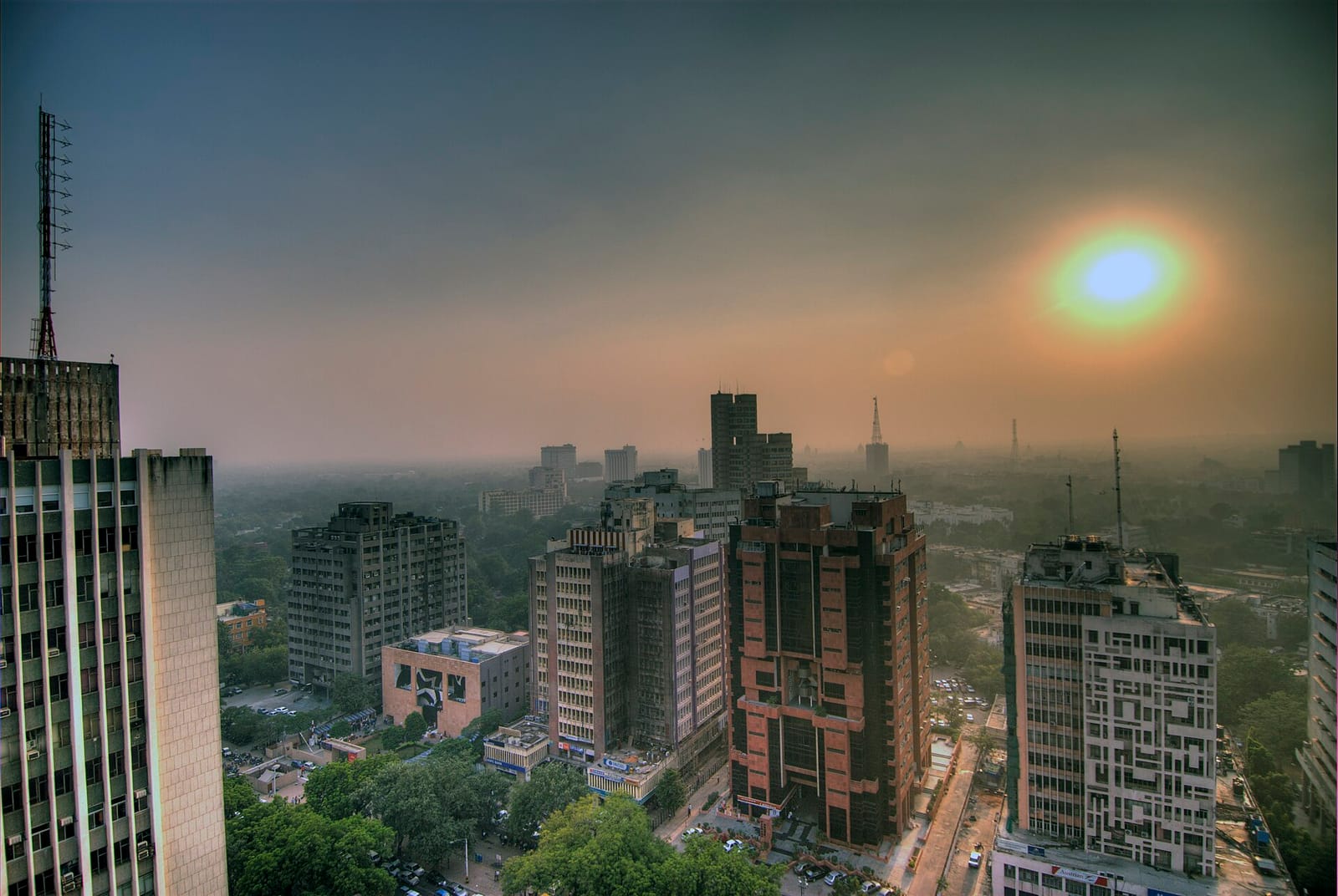

A thick layer of smog covered New Delhi on Monday, 9 November, after residents set off firecrackers during Diwali celebrations. Air quality readings in several parts of the Indian capital were in the "severe" category, according to Deutsche Welle (DW), Al Jazeera and Reuters.
Fireworks were set off on Sunday night, when Diwali was celebrated. Air quality worsened during and after the festivities, according to DW, Al Jazeera, Reuters, the Associated Press (AP) and Anadolu.
Residents set off firecrackers in violation of court-ordered restrictions. Last month, India's Supreme Court restricted firecrackers for Diwali. It allowed only approved "green firecrackers" during three-hour windows on Saturday and Sunday. These produce less pollution than conventional firecrackers but are not pollution-free. According to DW, they still emit 65 to 70% of the pollution of conventional firecrackers.
Pollution readings
The reported figures vary. DW cited AFP as reporting that IQAir put PM2.5 levels at 879 micrograms per cubic metre in Delhi's central Mandir Marg area early on Monday. IQAir cites data from a government monitoring station. DW said this is nearly 59 times the WHO limit of 15 micrograms per cubic metre.
Reuters reported that many areas of the city had an air quality reading above 400, categorised as "severe". Al Jazeera reported that the Air Quality Index exceeded 350 in several parts of the capital on Monday morning, which it described as "severe". The reports do not fully explain which index, monitoring network or threshold each figure uses.
According to DW, the smog reduced visibility. DW also reported that on Saturday, Delhi had its worst air on the eve of Diwali in a decade. Al Jazeera reported that on the Wednesday before Diwali, air monitor data showed pollution at more than 30 times the WHO's recommended daily limit.
A recurring winter problem
New Delhi is one of the world's most polluted capital cities and has a recurring pollution problem in winter. According to DW, winter pollution rules, including vehicle restrictions and construction bans, took effect from 1 November. Al Jazeera, citing India's Ministry of Environment, Forest and Climate Change, reported that vehicles account for 23% of the city's winter pollution and biomass burning, including farm stubble fires, for 20%. According to Al Jazeera, cooler temperatures, low wind speeds and stagnant conditions in winter stop pollutants from dispersing.
What is disputed
The reports differ on the population affected. Al Jazeera describes New Delhi as home to 30 million people. Reuters describes the city as having 20 million people.
What is not known
The reports reviewed by Vocemundi do not include statements from Delhi authorities, the Central Pollution Control Board, the police or the Supreme Court. They do not describe any enforcement action, such as fines or arrests. They do not include data on health effects, the share of this year's pollution caused by fireworks, or a forecast of how long the smog may last. Coverage from AP, Reuters and Anadolu was available only as headlines or summaries.
Analysis
The episode highlights a gap between court-ordered limits on firecrackers and what happened on the ground. The reports reviewed by Vocemundi do not show how, or whether, the restrictions were enforced. Fireworks are only one factor: official figures cited by Al Jazeera point to vehicles and biomass burning as major winter sources, and weather conditions trap pollutants. Possible responses could include stricter enforcement, tighter emergency rules or a review of the 'green firecracker' approach. It is also possible that conditions improve if the weather changes. Without official statements or health data, the full impact remains unclear.
How we verified this story5 sources · 36/36 claims backed · 3 AI reviewers
Sources (5): Deutsche Welle · Al Jazeera · Anadolu Agency · Reuters · Associated Press
Independent origins: 5 · Perspectives: Middle East; Turkish state media; Western news agencies; Western public media · Regions: Europe, Global, Middle East
Review panel: Claude, GPT-5.6 Sol, Kimi · Verdict: approved. 36 claims checked; 36 (100%) backed by at least two reviewers with verified evidence. Headline backed by 3 of 3 reviewers.
Dissent (GPT-5.6 Sol): 1 claim rated only partly supported or unsupported, e.g. “Not every cited source explicitly covers both during and after festivities.”
Confirmed 8 · Reported 11 · Disputed 1 · Confidence: high
Produced by the Vocemundi newsroom with AI assistance.

Vera is Vocemundi's AI editor, built on Anthropic's Claude. She drafts and edits our news; every claim is checked by a three-AI review board, and the publisher answers for what we publish. How we work
More stories

France brings forward 1.6% minimum wage rise to December amid cost-of-living protests
Prime Minister Sébastien Lecornu moved a planned 1.6% minimum wage increase from January to December after weeks of protests, while unions called the rise insufficient.

Ramla Ali wins first world title on contested split decision over Mikiah Kreps
Ramla Ali, 36, beat former sparring partner Mikiah Kreps by split decision in Arlington, Texas, but the scoring has been challenged and reports differ on which belts she won.
Warner backs Khawaja's claim that whole Australia team knew of 2018 ball-tampering plan
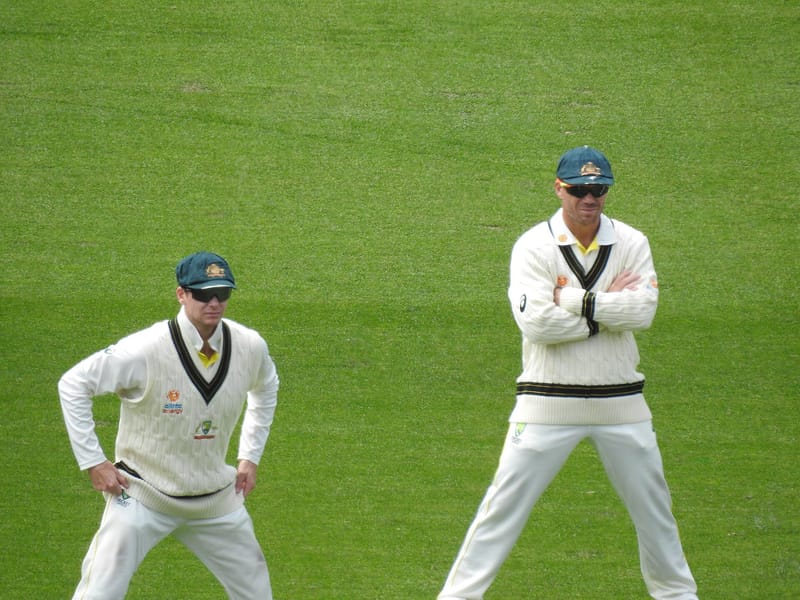
Former Australia opener David Warner says Usman Khawaja's account of the 2018 Cape Town scandal is accurate and calls the Cricket Australia inquiry 'rushed and botched', while Cricket Australia says it stands by its findings.
Comments