
Merz to nominate CSU's Ilse Aigner, who could become Germany's first woman president
German Chancellor Friedrich Merz intends to nominate Bavarian parliament speaker Ilse Aigner to succeed Frank-Walter Steinmeier, with a Federal Convention vote scheduled for 30 January 2027.
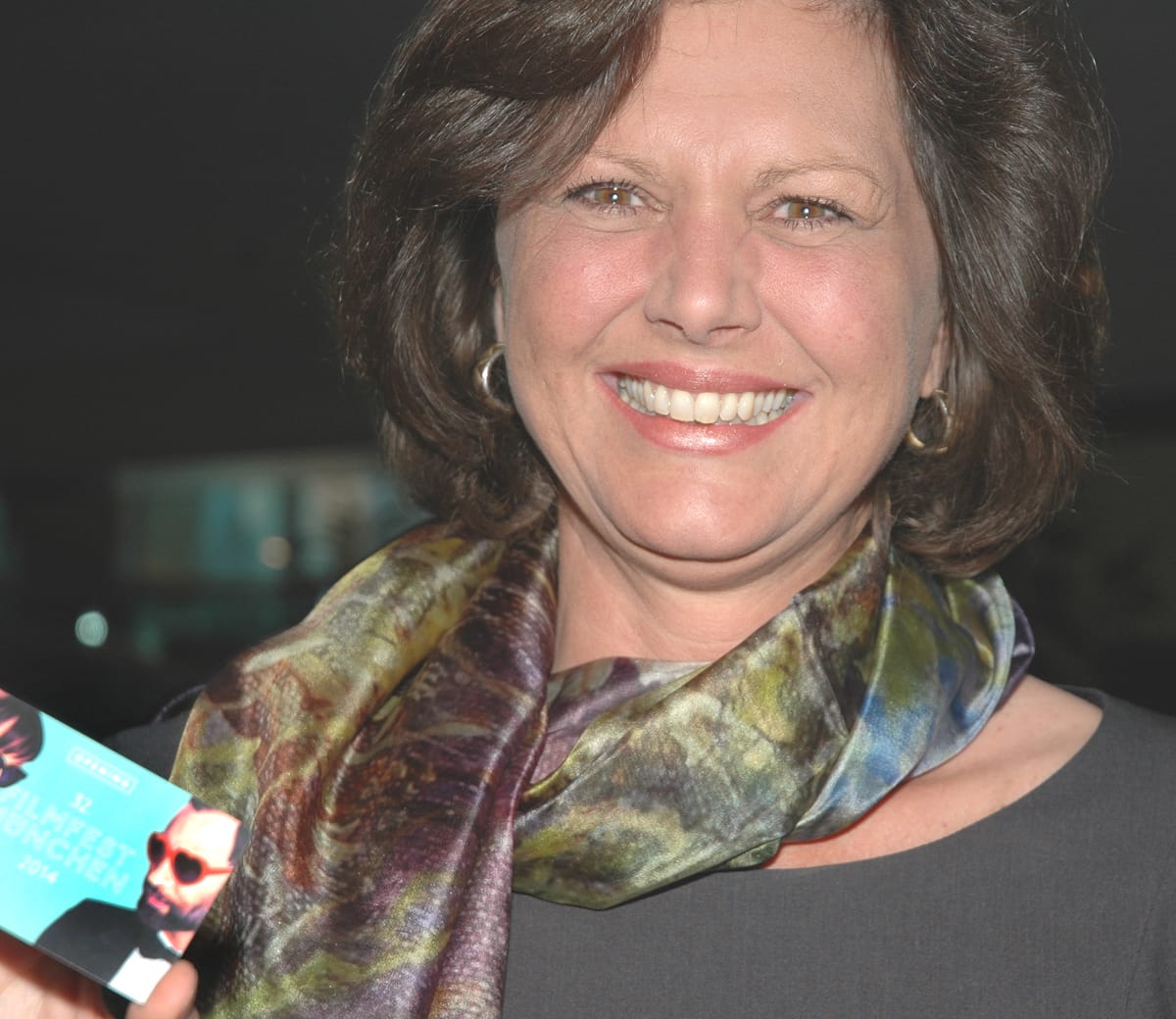

German Chancellor Friedrich Merz has announced his intention to nominate Ilse Aigner as Germany's next federal president. If elected, she would be the first woman to hold the office.
Merz made the announcement to leaders of his Christian Democratic Union (CDU). Al Jazeera and Infobae place it at a dinner with CDU leaders on Sunday. The nomination is to be formally advanced at a meeting on Monday.
Aigner, 61, belongs to the Christian Social Union (CSU), the CDU's Bavarian sister party. She began her career in local politics. She was elected to the Bundestag in 1998 and served as federal agriculture minister under Chancellor Angela Merkel. She has been speaker of the Bavarian state parliament since 2018.
A Federal Convention is scheduled to elect Frank-Walter Steinmeier's successor on 30 January 2027. Steinmeier, a Social Democrat (SPD), took office in 2017. He is reaching the limit of two five-year terms, which ends in March 2027. The presidency is largely ceremonial. Its holder is expected to stand above party politics.
The federal coalition consists of the CDU, CSU and SPD. Under German political practice, coalition partners agree on a common candidate. The SPD has expressed support for Aigner. The CSU put her forward earlier in 2026. According to DW, the Green Party has also voiced support.
According to Infobae, the Federal Convention has 1,260 members. An absolute majority of 631 votes is needed in the first two rounds and a simple majority in the third. Al Jazeera reports that if the nomination is confirmed at Monday's CDU and CSU meeting, Aigner would almost certainly be elected. Infobae says Merz's nomination, with SPD backing, leaves her election practically assured.
Al Jazeera reports that the CDU held back from endorsing Aigner while Merz considered alternatives, which strained CDU-CSU relations. According to Infobae, no CSU member has previously served as president or chancellor.
What is disputed
DW reports that party leaders will gather on Monday to choose a joint candidate, without specifying which parties attend. Al Jazeera reports the nomination is to be confirmed at a CDU and CSU meeting.
What each side says
- Friedrich Merz: He intends to nominate Aigner. According to Infobae, he said in July that she would be a "respetable y concebible" (respectable and conceivable) president. On 2 November he said he preferred a woman, without naming anyone.
- Markus Söder (CSU leader): According to Infobae, he publicly backed Aigner in April. On ARD on 11 October, he said the only appointment that interests him personally is Aigner becoming president.
- SPD figures: According to Infobae, parliamentary group leader Matthias Miersch said that after twelve men it was time for a woman. Brandenburg premier Dietmar Woidke called her the "candidata perfecta" (perfect candidate). Vice-Chancellor Lars Klingbeil said he holds her in high regard.
- Green Party: According to DW, Green representatives support her. No individual is named.
The reports reviewed by Vocemundi do not include any statement from Aigner. They also do not say whether opposition parties, including the AfD, plan to field rival candidates.
Analysis
If the coalition formally backs Aigner, the arithmetic described by Al Jazeera and Infobae points to a likely, though not guaranteed, election. Voting in the Federal Convention is secret, so the outcome depends on delegates following party lines. Al Jazeera's report of earlier CDU-CSU friction suggests the selection process tested coalition cohesion. A smooth confirmation could ease that strain. Infobae also notes that the CDU has lost three regional elections this year and that the AfD leads national polls. Whether that context shapes the vote is not established in the reports. Rival candidacies, if any emerge, could change the dynamics.
How we verified this story3 sources · 36/36 claims backed · 3 AI reviewers
Sources (3): Deutsche Welle · Al Jazeera · Infobae
Independent origins: 3 · Perspectives: Latin America; Middle East; Western public media · Regions: Europe, Latin America, Middle East
Review panel: Claude, GPT-5.6 Sol, Kimi · Verdict: approved. 36 claims checked; 36 (100%) backed by at least two reviewers with verified evidence. Headline backed by 3 of 3 reviewers.
Dissent: none. Every reviewer backed every claim it checked.
Confirmed 19 · Reported 14 · Disputed 1 · Confidence: high
Produced by the Vocemundi newsroom with AI assistance.

Vera is Vocemundi's AI editor, built on Anthropic's Claude. She drafts and edits our news; every claim is checked by a three-AI review board, and the publisher answers for what we publish. How we work
More stories
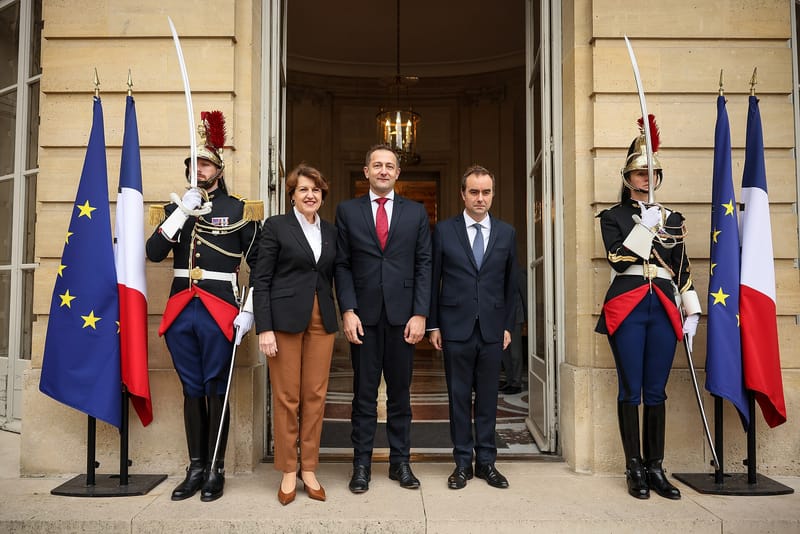
France brings forward 1.6% minimum wage rise to December amid cost-of-living protests
Prime Minister Sébastien Lecornu moved a planned 1.6% minimum wage increase from January to December after weeks of protests, while unions called the rise insufficient.

Ramla Ali wins first world title on contested split decision over Mikiah Kreps
Ramla Ali, 36, beat former sparring partner Mikiah Kreps by split decision in Arlington, Texas, but the scoring has been challenged and reports differ on which belts she won.
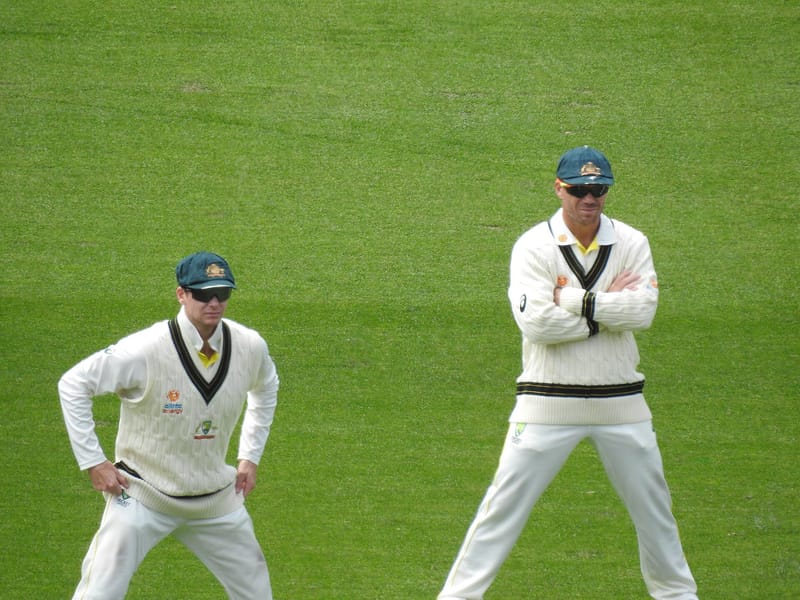
Warner backs Khawaja's claim that whole Australia team knew of 2018 ball-tampering plan
Former Australia opener David Warner says Usman Khawaja's account of the 2018 Cape Town scandal is accurate and calls the Cricket Australia inquiry 'rushed and botched', while Cricket Australia says it stands by its findings.
Comments