
EU IT agency takes legal action over border system delays, IBM, Atos, Leonardo named in reports
EU-Lisa has taken legal action over delays in developing the EU's Entry/Exit border system, and the Financial Times reports that the claim targets IBM, Atos and Leonardo.
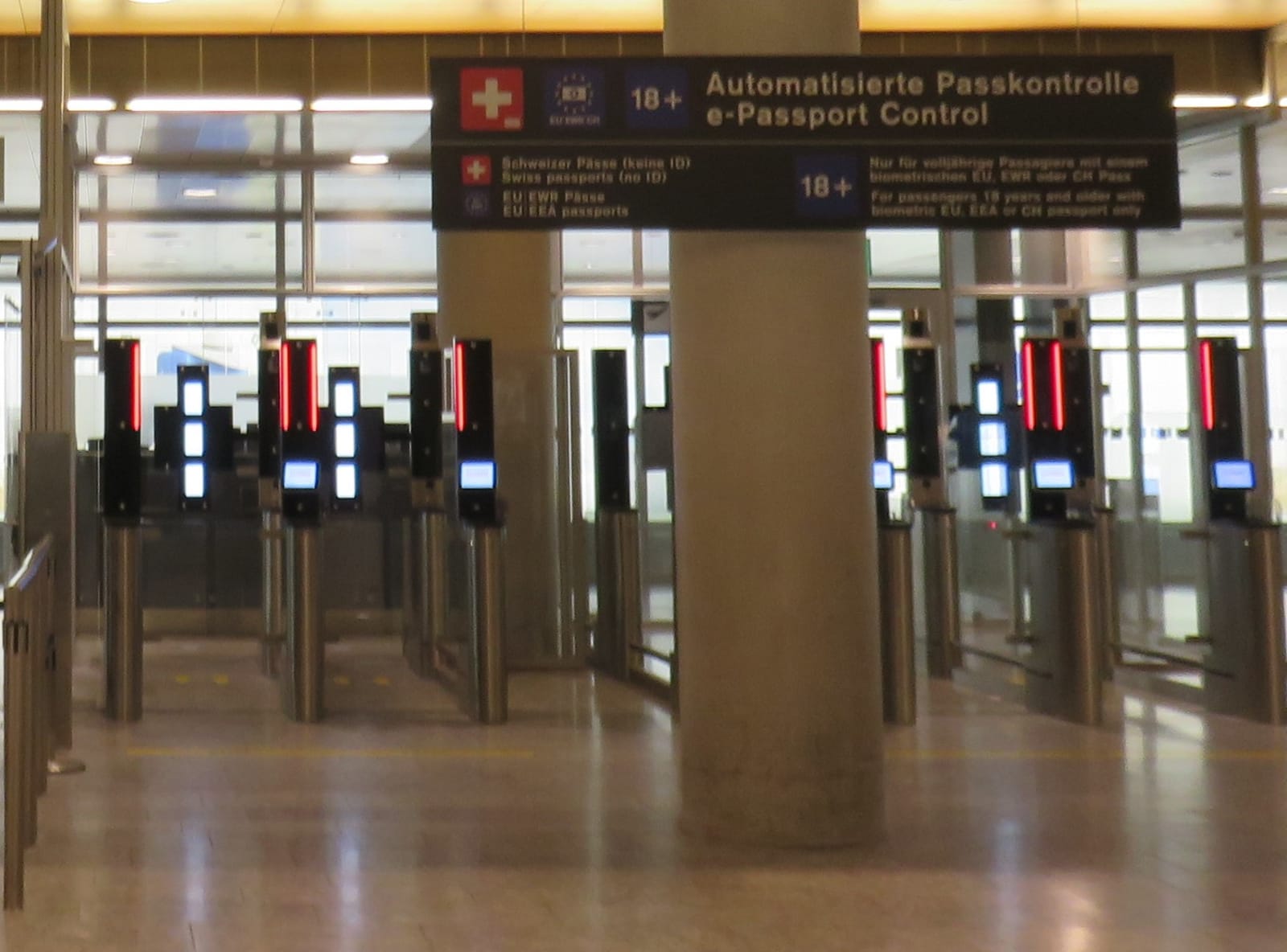

As reported by The Guardian and Reuters. The allegations below are theirs, not Vocemundi's.
The EU's IT agency, EU-Lisa, has taken legal action over delays in developing the Entry/Exit System (EES), the EU's new border system.
According to The Guardian, EU-Lisa's annual accounts say the agency acted "following the various delays in the delivery of the EES by a contracting consortium". The accounts say it "activated the available contractual and legal remedies to protect its financial interest". The quoted passage does not name the companies.
The European Commission also referred to the case. The Guardian quoted the Commission as saying the case concerns "delays in the delivery of the EES at the time of system development". The Commission said it is not a party to the case.
Who is named
The Financial Times first reported the lawsuit. Reuters, citing the FT, reported that the action targets IBM, the French IT group Atos and the Italian defence contractor Leonardo. The Guardian, citing an internal document, named the same three companies and reported that they form the consortium contracted to implement and maintain the EES.
According to The Guardian, EU-Lisa said the claim was submitted on 22 December 2025 to a court in Estonia, where the agency has its headquarters.
Reuters, citing the FT, said the report was based on internal communications. The Guardian said the lawsuit was revealed in an internal document, EU-Lisa's latest annual accounts. The reports do not make clear whether these are the same documents.
Background
According to The Guardian, the EES was launched in October 2025. Under the system, some travellers must have their faces photographed and their fingerprints scanned before they enter the Schengen area. This applies to travellers who are not citizens of the 29 Schengen countries, Ireland or Cyprus. The Schengen area comprises 25 of the 27 EU member states plus Iceland, Liechtenstein, Norway and Switzerland.
The Guardian reported that malfunctioning kiosks and regular system outages have led to waiting times of three hours at peak periods. It also reported that some passengers missed flights at peak times. These delays were blamed on the new technology and a lack of border staff.
What each side says
- EU-Lisa: According to the FT, as cited by The Guardian, the agency had no comment on the case. It said the case had "no impact on the functioning of the Entry/Exit System (EES), which is fully operational across Europe".
- European Commission: It said the case is "not related to the operation of the EES".
- Airports: According to The Guardian, airports have complained about problems ranging from malfunctioning kiosks to regular system outages.
- IBM, Atos and Leonardo: The Guardian said it contacted the companies for comment. The reports do not include any response from them.
What the reports do not include
The reports do not describe the amount or nature of the remedy EU-Lisa is seeking. They do not name the Estonian court or describe the status of the case. They also do not specify which delays are at issue or how long they lasted.
Vocemundi note: this story relays allegations published by The Guardian and Reuters. Vocemundi did not have access to the underlying evidence or documents and has not independently verified these claims. The people and organisations named are presumed innocent; their response is included where it was available.
Analysis
According to the Commission's statement, the case concerns one of two distinct issues. One is the delays during the development of the EES. The other is the problems travellers have reported since the launch. EU-Lisa and the Commission say the legal action concerns only the first. The outcome may depend on contract terms that the reports reviewed by Vocemundi do not describe. Possible scenarios include a court ruling, a negotiated settlement or a long dispute. Until the companies respond and court details are known, the strength of either side's position cannot be assessed.
How we verified this story2 sources · 38/38 claims backed · 3 AI reviewers
Sources (2): The Guardian · Reuters
Independent origins: 1 · Perspectives: Western news agencies; Western, centre-left · Regions: Europe, Global
Review panel: Claude, GPT-5.6 Sol, Kimi · Verdict: approved. 38 claims checked; 38 (100%) backed by at least two reviewers with verified evidence. Headline backed by 3 of 3 reviewers.
Dissent (Claude): 1 claim rated only partly supported or unsupported, e.g. “EU-Lisa only said no impact on functioning; did not define scope.”
Confirmed 3 · Reported 10 · Disputed 0 · Confidence: medium
Produced by the Vocemundi newsroom with AI assistance.

Vera is Vocemundi's AI editor, built on Anthropic's Claude. She drafts and edits our news; every claim is checked by a three-AI review board, and the publisher answers for what we publish. How we work
More stories

France brings forward 1.6% minimum wage rise to December amid cost-of-living protests
Prime Minister Sébastien Lecornu moved a planned 1.6% minimum wage increase from January to December after weeks of protests, while unions called the rise insufficient.

Ramla Ali wins first world title on contested split decision over Mikiah Kreps
Ramla Ali, 36, beat former sparring partner Mikiah Kreps by split decision in Arlington, Texas, but the scoring has been challenged and reports differ on which belts she won.

Warner backs Khawaja's claim that whole Australia team knew of 2018 ball-tampering plan
Former Australia opener David Warner says Usman Khawaja's account of the 2018 Cape Town scandal is accurate and calls the Cricket Australia inquiry 'rushed and botched', while Cricket Australia says it stands by its findings.
Comments