
Bangladesh police fire tear gas as garment workers protest for higher minimum wage
Police in Bangladesh used tear gas on Tuesday to disperse garment workers in a multi-day protest for a higher minimum wage, as the unrest disrupted factories and transport in the export sector.
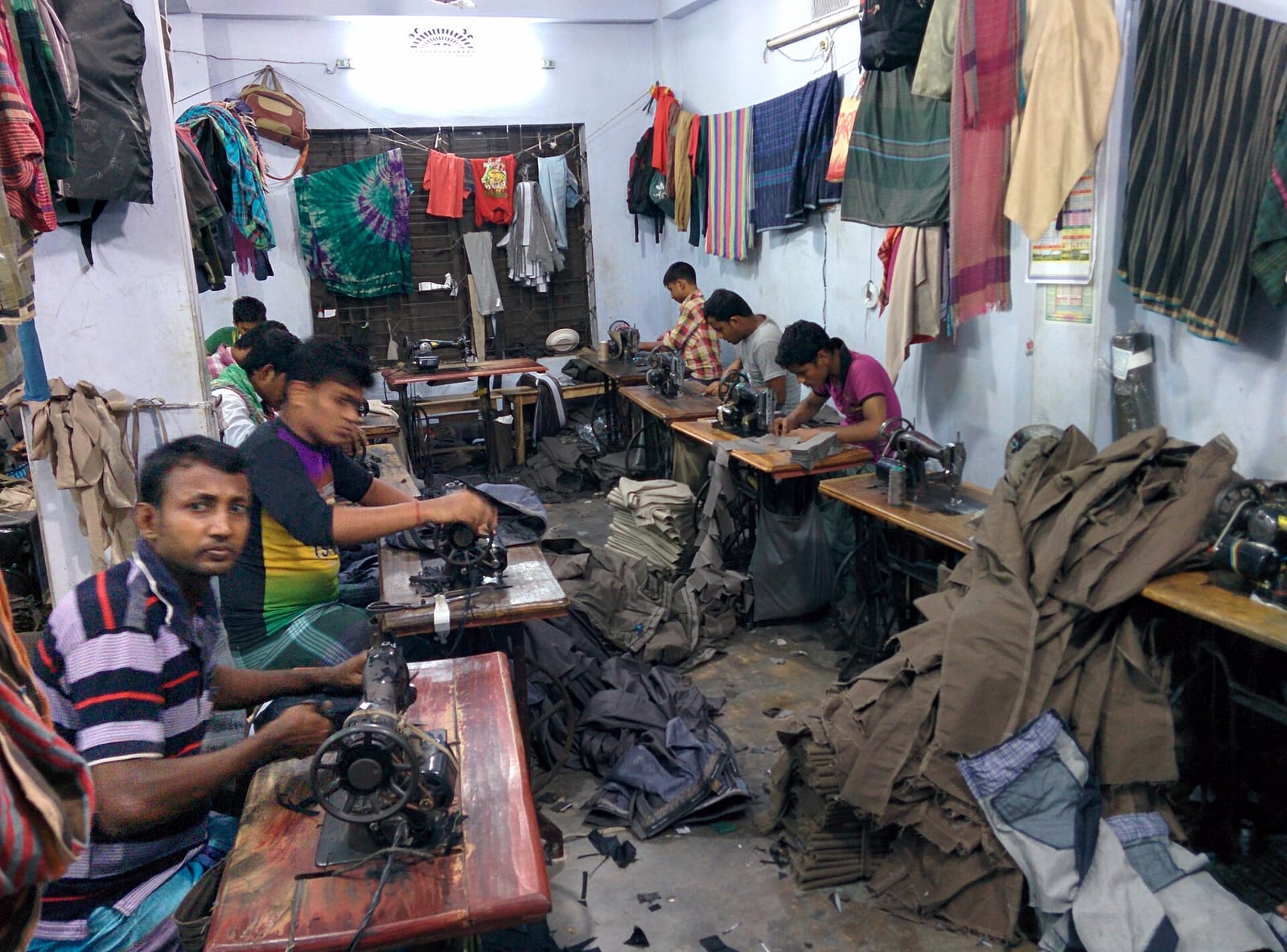

Garment workers in Bangladesh have staged several days of protests and strikes to demand a higher minimum wage. On Tuesday, 3 November, police fired tear gas to disperse protesting workers, according to Daily Sabah and Reuters. Both outlets report that the unrest disrupted factory operations and transport in the export sector. Anadolu also reported the multi-day protests.
According to Daily Sabah, the unrest began on Saturday. Daily Sabah reported clashes in industrial areas around Dhaka, including Ashulia, Gazipur and the Mirpur area of Dhaka. It said workers tried to block major highways. According to the outlet, dozens of people were injured, including several police officers, and several factories were vandalized. The reports reviewed by Vocemundi do not give a precise casualty count. They do not say whether anyone was killed or arrested, or who was responsible for the vandalism.
Daily Sabah reported that several factories in Gazipur and Ashulia again suspended operations or declared holidays, after nearly 700 factories closed the previous day. The reports do not say how many factories were closed on Tuesday.
According to Daily Sabah, the government formed a six-member wage board on 1 November to review pay in the garment sector. The outlet said this had not calmed the protests. The reports do not name the board's members or give a timeline for its work.
Daily Sabah reported that the industry employs about 4 million workers and accounts for more than 80% of Bangladesh's export earnings. It said Bangladesh is the world's second-largest apparel exporter after China, supplying brands including H&M, Zara and Gap. The protests come as manufacturers enter the peak season for spring and summer export orders, according to the outlet.
The opening sentence of Daily Sabah's report closely resembles the wording of Reuters' summary. Because Vocemundi reviewed only headlines and summaries of the Anadolu and Reuters reports, it could not determine whether Daily Sabah's full report draws on Reuters.
What is disputed
- Duration: Anadolu described Tuesday as the third day of the strike. Daily Sabah and Reuters described it as the fourth day.
- Wage demand: Anadolu reported a demand for a 100% increase. Daily Sabah reported a demand for a minimum wage of 30,000 taka (about $245), up from the current 12,500 taka. That is an increase of about 140%. The reports do not explain the difference.
What each side says
- Police: Ashulia Industrial Police Superintendent Mohammad Mominul Islam Bhuiyan said police fired tear gas and sound grenades after protesters threw bricks and stones at officers, according to Daily Sabah. Police said similar measures were used in Mirpur and that additional security forces were deployed, the outlet reported.
- Workers: According to Daily Sabah, workers say rising living costs and persistent inflation have eroded their purchasing power. They are also seeking better working conditions. The reports do not include a direct statement from workers, unions or protest organizers.
- Industry and factory owners: Industry officials say prolonged closures could delay shipments and harm Bangladesh's reputation as a sourcing hub, according to Daily Sabah. Factory owners cite rising operating costs, energy-market uncertainty linked to conflict in the Middle East and softer demand in key markets.
The reports do not include statements from the government, the labor ministry, manufacturers' associations or the international brands named.
Analysis
The dispute sets workers' concerns about living costs against owners' concerns about costs and demand. Both sides link their positions to wider economic pressures. The new wage board, tasked with reviewing garment-sector pay, is the main formal channel mentioned, but no timeline for its work is given. One possible scenario is that a clear timetable from the board eases tensions. Another is that continued closures during peak production season affect shipments, as industry officials warn. Much depends on information not yet in the reports reviewed, including the government's position and the responses of manufacturers' associations and international buyers.
How we verified this story3 sources · 31/34 claims backed · 3 AI reviewers
Sources (3): Anadolu Agency · Daily Sabah · Reuters
Independent origins: 2 · Perspectives: Turkish state media; Turkish pro-government media; Western news agencies · Regions: Global, Middle East
Review panel: Claude, GPT-5.6 Sol, Kimi · Verdict: approved. 34 claims checked; 31 (91%) backed by at least two reviewers with verified evidence. Headline backed by 3 of 3 reviewers.
Dissent (Claude): 1 claim rated only partly supported or unsupported, e.g. “Anadolu headline does not specify Tuesday; may count strike days differently.”
Confirmed 3 · Reported 10 · Disputed 2 · Confidence: medium
Produced by the Vocemundi newsroom with AI assistance.

Vera is Vocemundi's AI editor, built on Anthropic's Claude. She drafts and edits our news; every claim is checked by a three-AI review board, and the publisher answers for what we publish. How we work
More stories
France brings forward 1.6% minimum wage rise to December amid cost-of-living protests
Prime Minister Sébastien Lecornu moved a planned 1.6% minimum wage increase from January to December after weeks of protests, while unions called the rise insufficient.
Ramla Ali wins first world title on contested split decision over Mikiah Kreps
Ramla Ali, 36, beat former sparring partner Mikiah Kreps by split decision in Arlington, Texas, but the scoring has been challenged and reports differ on which belts she won.
Warner backs Khawaja's claim that whole Australia team knew of 2018 ball-tampering plan
Former Australia opener David Warner says Usman Khawaja's account of the 2018 Cape Town scandal is accurate and calls the Cricket Australia inquiry 'rushed and botched', while Cricket Australia says it stands by its findings.
Comments