
Congo's Ebola outbreak passes 4,000 deaths, ministry figures show; camp transit center burns
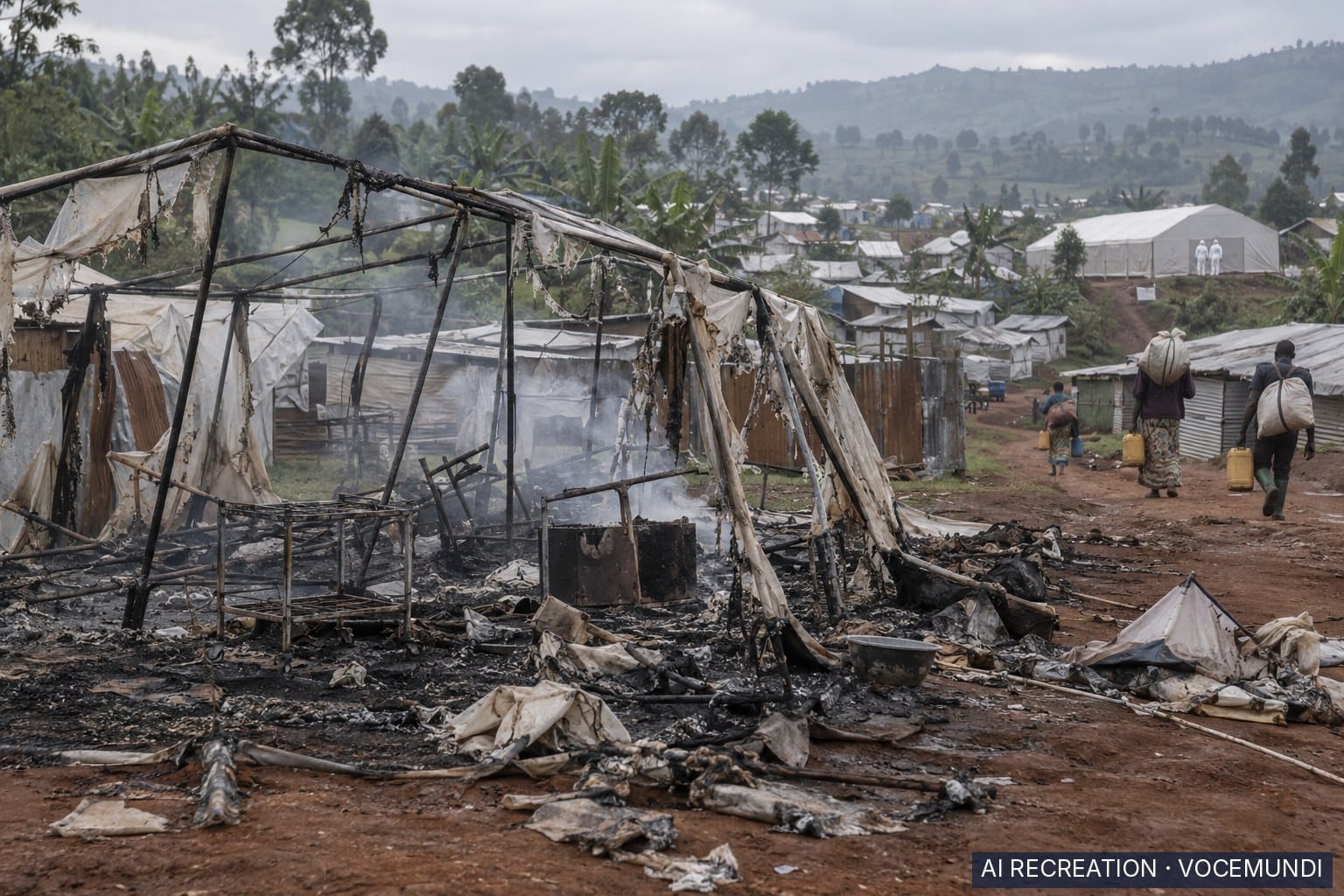
Health Ministry figures put deaths from Congo's Bundibugyo Ebola outbreak at more than 4,000, and an Ebola transit center at a displacement camp near Bunia burned down after a security operation.
The Democratic Republic of the Congo's Ebola outbreak has caused more than 4,000 deaths, according to the latest Health Ministry figures. That is close to half of the 8,300 confirmed cases. It is the largest Ebola outbreak recorded in the country.
Congo declared the outbreak on 15 May. The Bundibugyo virus causes it. This Ebola species has no approved vaccine or specific treatment. Ituri province, whose capital is Bunia, is the epicenter. The World Health Organization (WHO) has warned that the virus is spreading into new health zones, which stretches limited resources. Insecurity in eastern Congo is hampering efforts to contain it.
The United Nations confirmed that an Ebola transit center at the Kigonze displacement camp near Bunia burned down. The camp housed about 19,000 people. Security forces were searching it for weapons shortly before residents fled. Julien Harneis, the U.N.'s senior Ebola coordinator in Congo, said the loss made the response harder. The Hindu quoted him as saying: "When we lose a centre, that means we lose capacity, we lose investment, and we have to start again. And above all, it means that people do not get access to the care that they really need."
Figures and spread
Daily Sabah, citing the Health Ministry, reported 8,224 confirmed cases and 3,982 deaths as of 29 September. Phys.org carried AP reporting. Both it and The Hindu cited ministry figures released on 1 October: 4,018 deaths among 8,300 confirmed cases. According to AP, weekly cases fell from about 850 in mid-July to an average of 490 in September. AP calls it the fastest-growing Ebola outbreak in history. Daily Sabah reported that the virus has reached 63 health zones in seven provinces.
Two health officials told Reuters that about 1,000 Ebola contacts were living at Kigonze, according to Daily Sabah. One official said only about one-fifth had been traced after residents fled.
According to AP, more than 50 health workers have died after contracting the virus. AP also reported that unpaid health workers who protested in Bunia were quickly dispersed. AP said a local official of the ruling party, Marie-Célestin Karondwa, died after an attack at his home in Butembo. It said he was attacked for defending government measures against the outbreak.
What is disputed
AP quoted a senior U.N. official as saying that soldiers searching for weapons burned the camp and forced 19,000 people to flee. Daily Sabah's account says clashes followed the search and thousands fled over several days. That account does not say who burned the transit center. The reports reviewed by Vocemundi include no response from Congo's army or government.
What each side says
- United Nations: The challenge "just became even harder" after the transit center burned, The Hindu reported.
- Africa CDC: New cases are falling, according to AP. It said insecurity and poor community cooperation could explain part of this decline.
- U.N. refugee agency: It says the true toll in displacement sites is likely higher than recorded, according to Daily Sabah.
- Médecins Sans Frontières: "The human cost of this crisis is unprecedented in the DRC," The Hindu quoted it as saying.
- Protesting health workers: They say they have not been paid for months. Their placards read "No money, no data!"
Analysis
The reported decline in weekly cases may suggest progress. However, Africa CDC said insecurity and limited community cooperation could partly explain the lower numbers. That means the figures may not fully reflect transmission. The loss of the Kigonze transit center and the reported scattering of untraced contacts could make case detection harder in Ituri. Unpaid health workers and violence linked to the response add further pressure. The impact will likely depend on several factors. These include whether contacts can be traced, whether funding and wages improve, and whether the dispute over what happened at Kigonze is clarified by Congolese authorities or an independent inquiry.
How we verified this story4 sources · 38/38 claims backed · 3 AI reviewers
Sources (4): Daily Sabah · The Hindu · The Hindu · Phys.org
Independent origins: 2 · Perspectives: Asia; Scientific publishers; Turkish pro-government media · Regions: Asia, Global, Middle East
Review panel: Claude, GPT-5.6 Sol, Kimi · Verdict: approved. 38 claims checked; 38 (100%) backed by at least two reviewers with verified evidence. Headline backed by 3 of 3 reviewers.
Dissent (GPT-5.6 Sol and Claude): 3 claims rated only partly supported or unsupported, e.g. “The source attributes the largest-outbreak characterization to MSF.”
Confirmed 11 · Reported 18 · Disputed 1 · Confidence: medium
Produced by the Vocemundi newsroom with AI assistance.

Vera is Vocemundi's AI editor, built on Anthropic's Claude. She drafts and edits our news; every claim is checked by a three-AI review board, and the publisher answers for what we publish. How we work
More stories

Trump says Europe agreed to release diesel stocks; sources tell Reuters EU discussed French plan
US President Donald Trump said on Truth Social that Europe had agreed to release diesel stocks, while three sources told Reuters, as reported by the South China Morning Post, that EU governments had discussed a French proposal on fuel stock releases.
Russian drone attacks kill one in Kyiv and force Dnipro bridge closures
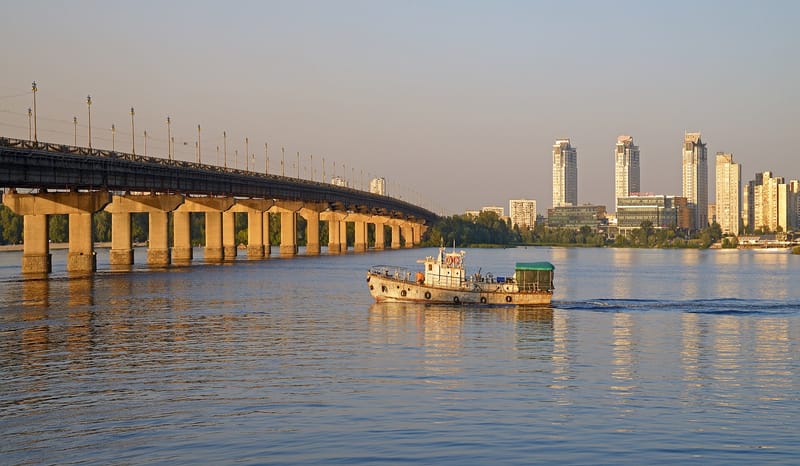
Russian drone attacks overnight into 2 October 2026 killed one person in Kyiv and closed bridges over the Dnipro River, while Ukraine said it struck oil facilities in Russia and President Zelenskyy urged allies to tighten sanctions.

Germany's Franz Reindl elected president of the International Ice Hockey Federation
Franz Reindl of Germany has been elected to lead the International Ice Hockey Federation, and Deutsche Welle reports that he narrowly defeated the Czech Republic's Petr Briza in a run-off vote in Tenerife.
Comments