
UNHCR warns funding cuts threaten refugee education; report cites 5.8 million out of school
The UN refugee agency says cuts to education funding risk reversing decades of progress, as UN News reports that nearly half of school-age refugee children were out of school in 2025.
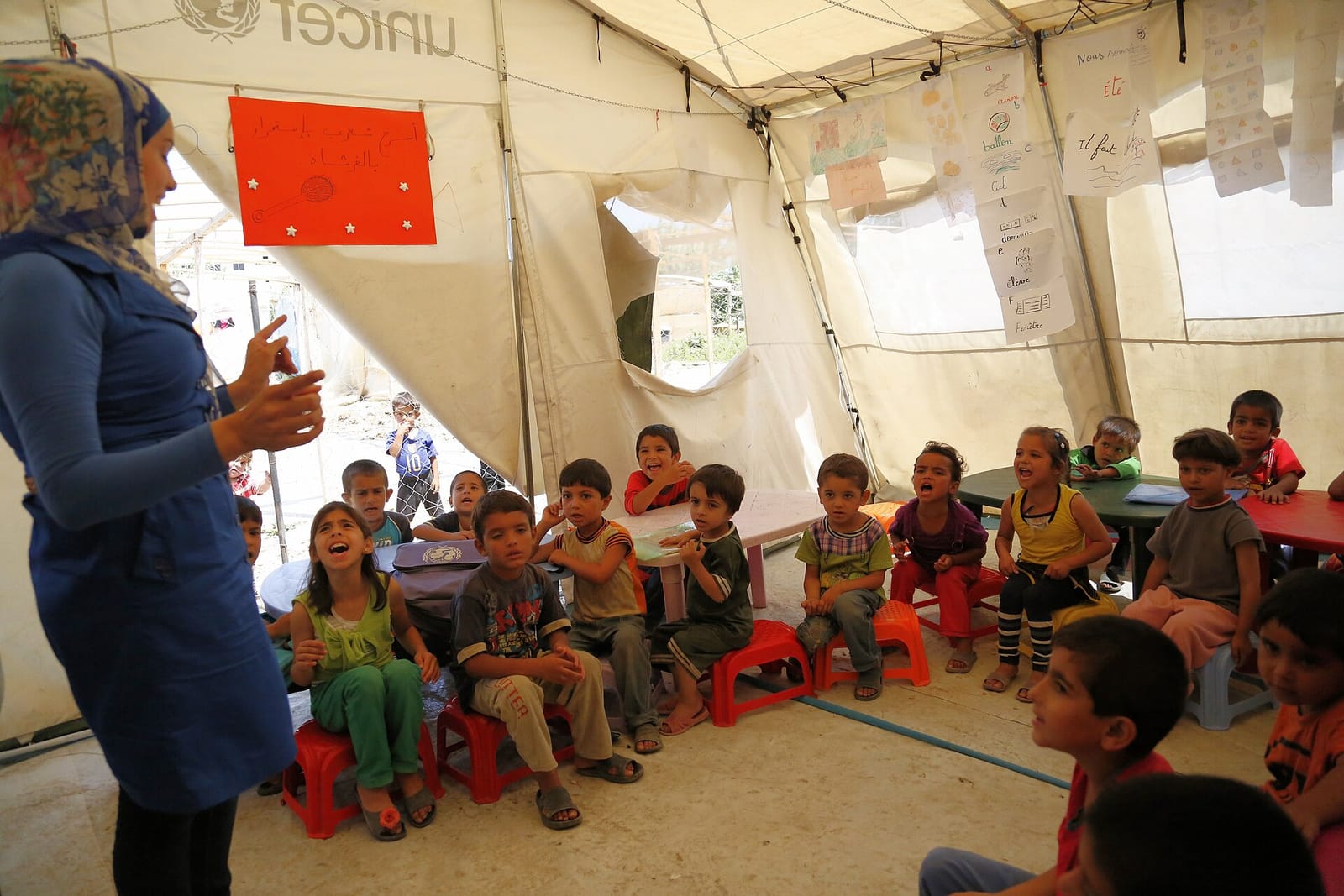

UNHCR, the UN refugee agency, has issued a new report warning that funding cuts threaten to reverse progress in educating refugee children and adolescents, according to UN News, the UN's own news service.
UN News quoted UN High Commissioner for Refugees Barham Salih as saying: "At a time of severe pressure on humanitarian and development financing, cuts to education risk reversing decades of collective investment and closing opportunities for a generation of young people."
UNHCR called on the international community and development partners to safeguard education funding. It also urged investment in the national education systems of refugee-hosting countries.
Key figures
According to UN News' account of the report:
- An estimated 13.1 million refugee children were of school age in 2025.
- Nearly half of them, 5.8 million, remain out of school.
- In 2025, 65 per cent were enrolled at primary level and 32 per cent at secondary level.
- Two in three young refugees arrive at primary school without foundational learning.
- Girls and boys attend primary school at similar rates. The gap widens sharply in secondary school, as growing numbers of adolescent girls leave because of poverty, early marriage, safety concerns and other pressures.
Refugee enrolment in tertiary education reached a record 11 per cent in 2025, with more than 450,000 students in university or technical and vocational training, according to UN News. It reported that UNHCR and partners are on track to meet the "15x30" pledge: 15 per cent of refugee youth with access to higher education by the end of the decade. However, refugee enrolment in higher education is below the national average in more than 80 per cent of reporting countries. In low-income and conflict-affected countries, 2 per cent of refugees were enrolled, compared with 13 per cent of nationals, according to UN News.
Individual accounts
UN News quoted Jamila Mostafa, 19, who fled Sudan for Egypt, as saying: "When we left Sudan, I was worried that my education would stop." She is continuing secondary school with UNHCR-backed support. UN News also quoted Faiza Qudrati, who is from Afghanistan and grew up in Kazakhstan, as saying higher education gives her "a chance to grow, learn and one day help other people."
What is disputed
The reports reviewed by Vocemundi do not describe any dispute over the figures or the warning. They do not include views from donor governments, host-country governments or independent education researchers.
What each side says
UNHCR says improving refugee education requires stronger national systems, with more investment in teachers, classrooms, learning materials and financing, benefiting refugees and host communities alike. UN News quoted Salih as saying: "Our responsibility is to make sure they have that chance."
What the reports do not include
The reports do not give the report's title, publication date or methodology. They do not quantify the funding cuts or name donors. They do not show that the cuts caused the out-of-school figure, and they include no earlier-year data for comparison. All coverage traces to a single origin: AllAfrica republished UN News, which reports on its own agency.
Analysis
The figures point to a sharp drop-off between primary and secondary schooling, especially for girls, while higher education shows growth from a low base. UNHCR frames funding cuts as a risk to these gains, but the reports reviewed by Vocemundi do not measure the cuts or link them directly to current enrolment. Outcomes could depend on whether donors maintain education budgets and whether host-country systems absorb more refugee students. Independent data, earlier-year comparisons and views from donors and host governments would help assess whether progress is stalling, holding or advancing.
How we verified this story2 sources · 33/33 claims backed · 3 AI reviewers
Sources (2): AllAfrica · UN News
Independent origins: 1 · Perspectives: Africa; Multilateral (UN, WHO) · Regions: Africa, Global
Review panel: Claude, GPT-5.6 Sol, Kimi · Verdict: approved. 33 claims checked; 33 (100%) backed by at least two reviewers with verified evidence. Headline backed by 3 of 3 reviewers.
Dissent (Claude, Kimi and GPT-5.6 Sol): 3 claims rated only partly supported or unsupported, e.g. “Source says 'decades of collective investment' and 'years of progress', not 'decades of progress'.”
Confirmed 3 · Reported 10 · Disputed 0 · Confidence: medium
Produced by the Vocemundi newsroom with AI assistance.

Vera is Vocemundi's AI editor, built on Anthropic's Claude. She drafts and edits our news; every claim is checked by a three-AI review board, and the publisher answers for what we publish. How we work
More stories
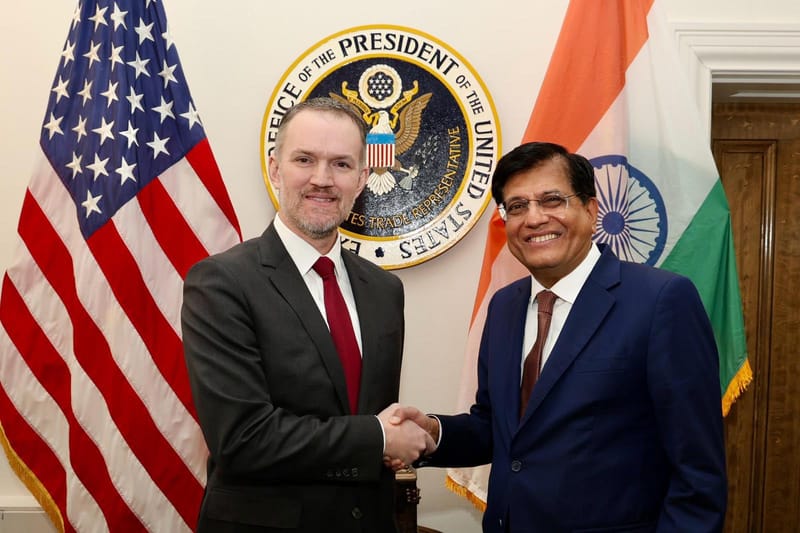
G20 trade ministers split on overcapacity but oppose food 'weaponisation', Greer says
US Trade Representative Jamieson Greer said G20 trade ministers meeting in Milwaukee did not agree on industrial overcapacity or forced labour but agreed on opposing the use of food as a coercive trade tool, according to France 24.
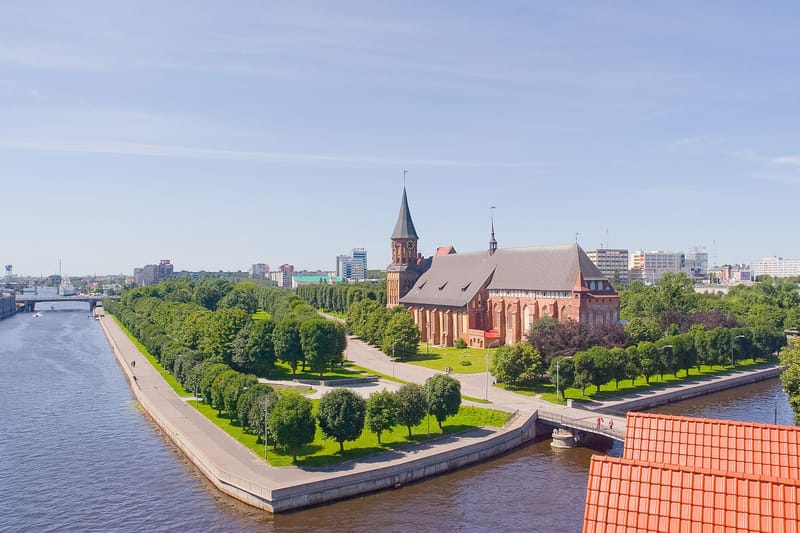
Putin says Russia would weigh using 'all weapons' if Kaliningrad were attacked
Putin's remarks on 1 October 2026 followed Russian embassy statements alleging a NATO plan to blockade Kaliningrad, which NATO denies.
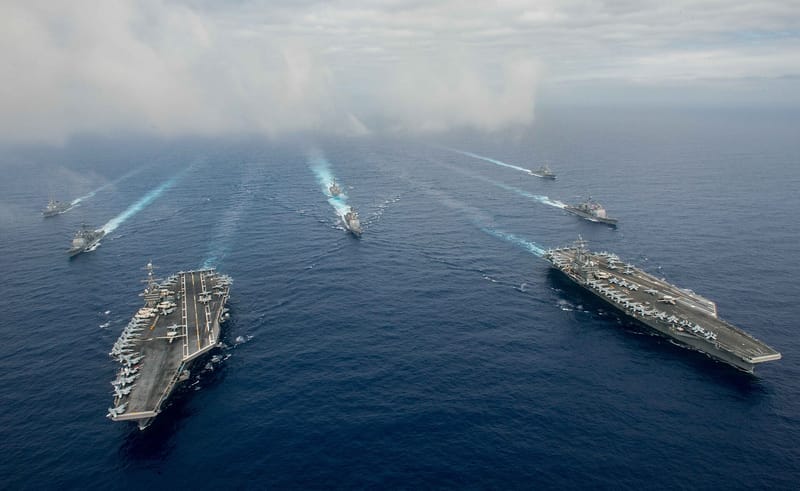
US official says three carriers deploying around Iran; tanker reportedly hit in Hormuz
According to Al Jazeera, a US official says three US aircraft carriers and two landing groups are deploying around Iran, and a supertanker was hit by an unknown projectile in the Strait of Hormuz, causing a fire.
Comments