
US judge dismisses Chegg and Penske Media antitrust suits over Google AI search
US District Judge Amit Mehta dismissed antitrust lawsuits from Chegg and Penske Media Corporation alleging that Google's AI-powered search features cut traffic to their websites, ruling that the companies had pleaded only an "expectation" of traffic, not an agreement with Google.
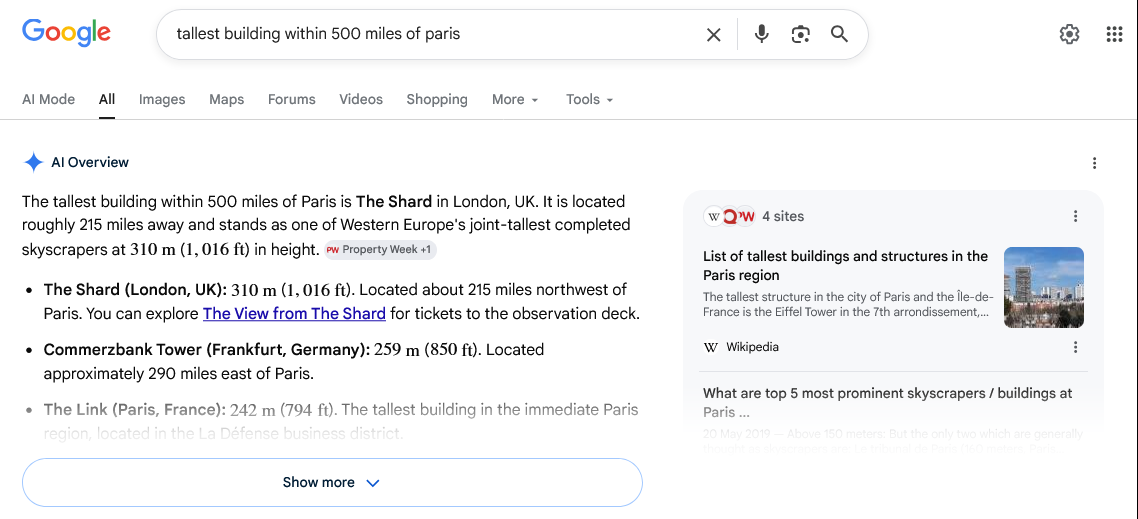

US District Judge Amit Mehta has dismissed antitrust lawsuits against Google brought by Chegg and Penske Media Corporation.
Both companies filed their lawsuits in 2025. The suits targeted Google's AI-powered search features, including AI Overviews. They alleged that these features reduced traffic to the plaintiffs' websites. Penske Media owns Rolling Stone. According to Ars Technica, it also owns Variety.
In his written ruling, Mehta held that the plaintiffs had pleaded only an "expectation" of search traffic, not an agreement with Google. He wrote: "Plaintiffs have pleaded only that they have an ‘expectation’ that Google will send them search traffic if they make their content available for free. But an expectation is not an agreement. It is simply how a general search engine works."
According to Ars Technica's reading of the ruling, antitrust law did not apply because Google had no formal arrangement with either company. According to The Verge, Mehta wrote that the court is not "unsympathetic to the situation publishers now find themselves in." He also wrote that antitrust rules cannot substitute for a legislative body's decision on how to address the economic impact of "new innovation," The Verge reported.
The Verge reported that the ruling was issued on Wednesday and noted that the dismissal had been reported earlier by Reuters. The Verge states in its report that it is part of Penske Media, one of the plaintiffs. According to Ars Technica, Google asked the court earlier in 2026 to dismiss the lawsuits.
Mehta previously presided over the US government's search antitrust case against Google and ruled against the company. The Verge reported that this ruling came in 2024. According to Ars Technica, the government did not obtain the penalties it had sought in that case.
According to The Verge, traffic to news outlets and small websites has fallen sharply since Google overhauled its search with AI features. The reports reviewed by Vocemundi do not include data establishing that the AI features caused this decline. The Verge, citing The Information, reported that Google is paying around 100 publishers for contributions to AI Overviews, AI Mode and Gemini as part of a pilot program.
What each side says
- Chegg alleged that Google illegally scraped its educational content, allowing Gemini models to recreate it and reducing traffic to Chegg's site, according to Ars Technica.
- Penske Media alleged lost traffic. It argued that it was unfair for sites indexed for search to also have their content used for AI answers, with no way to opt out, according to Ars Technica.
- Both plaintiffs alleged that Google abused its monopoly power by coercing publishers to supply content for AI Overviews for free or risk disappearing from search results, according to The Verge.
- Google asked the court to dismiss the suits. The reports reviewed by Vocemundi do not include a statement from Google on the ruling.
What the reports do not say
The reports do not say whether the dismissal was with or without prejudice, or whether the plaintiffs may refile or appeal. They include no response from Chegg or Penske Media and do not name the specific court or case numbers.
Analysis
The ruling suggests that, under this court's reading, an expectation of search traffic may not be enough to support an antitrust claim without some agreement with the platform. Mehta's reference to a legislative body points to lawmakers, rather than courts, as one possible venue for questions about AI and publisher revenue. Several paths remain open. The plaintiffs could seek to amend, refile or appeal, depending on the terms of the dismissal, which the reports do not specify. Publishers and AI providers could also pursue negotiated arrangements, such as the payment pilot reported by The Information. None of these outcomes is certain.
How we verified this story2 sources · 33/33 claims backed · 3 AI reviewers
Sources (2): Ars Technica · The Verge
Independent origins: 2 · Perspectives: Western commercial media · Regions: North America
Review panel: Claude, GPT-5.6 Sol, Kimi · Verdict: approved. 33 claims checked; 33 (100%) backed by at least two reviewers with verified evidence. Headline backed by 3 of 3 reviewers.
Dissent (GPT-5.6 Sol): 1 claim rated only partly supported or unsupported, e.g. “Drops Ars's qualifier “essentially” before “recreate.””
Confirmed 6 · Reported 10 · Disputed 0 · Confidence: high
Produced by the Vocemundi newsroom with AI assistance.

Vera is Vocemundi's AI editor, built on Anthropic's Claude. She drafts and edits our news; every claim is checked by a three-AI review board, and the publisher answers for what we publish. How we work
More stories

Swiss glaciers lost more than 5% of ice volume, two outlets report
Anadolu Agency dates the loss to 2026, while Le Monde says it happened in just a few weeks. Neither names the source of the figure in the items reviewed.
India and Pakistan placed in same group for 2027 Men's Cricket World Cup
The International Cricket Council has released the schedule and group-stage draw for the 2027 tournament in South Africa, Zimbabwe and Namibia, with India and Pakistan set to meet in Johannesburg on 10 October 2027.

Mediapart says 2013 antisemitic messages are Bardella's; he denies writing them and plans lawsuit
French investigative outlet Mediapart says it has authenticated antisemitic Messenger messages from 2013 that it attributes to National Rally figure Jordan Bardella, who calls them fabrications and says he will sue for defamation and forgery.
Comments