
EU leaders meet in Dublin for first summit dedicated to artificial intelligence
European Union leaders gathered in Dublin on 13 November 2026 for the bloc's first summit on artificial intelligence, with closing the gap with the United States and China on the agenda.
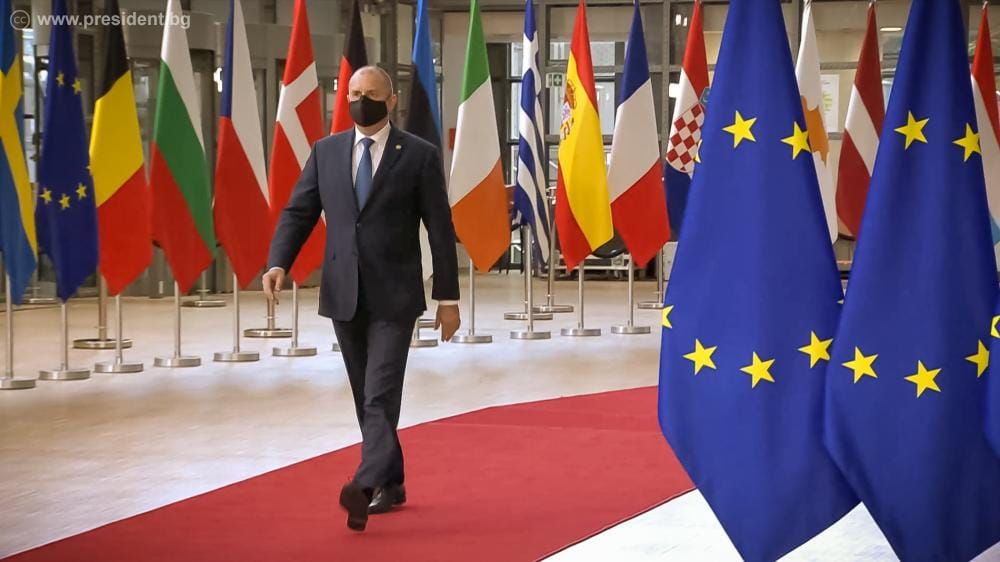

European Union leaders gathered in Dublin on Friday, 13 November 2026, for the bloc's first summit dedicated to artificial intelligence (AI). Both Deutsche Welle (DW) and Reuters reported the meeting.
How the EU can catch up with the United States and China in AI is among the questions on the agenda, according to both outlets.
The agenda
According to DW, leaders were also expected to discuss how to unlock AI's potential and how to protect individuals and businesses against its risks. Reuters reported that funding issues are among the challenges leaders were set to address. The Reuters report reviewed by Vocemundi does not specify which funding issues.
According to DW, the summit is being held at Dublin's Convention Center. The same venue hosted the European Political Community summit earlier in the week.
DW reported that Mistral CEO Arthur Mensch and Nobel Prize-winning researcher Geoffrey Hinton were expected to address the leaders. The reports do not confirm whether they did.
DW also reported that the summit follows a series of incidents involving "rogue AI agents" in recent months. DW did not describe what happened, where, or who was affected.
What each side says
European Council President Antonio Costa argued for a leaders-level discussion on AI in a letter to EU leaders the previous week, according to DW. DW quoted the letter as saying: "Given the rapid pace of AI development, I believe that a first dedicated discussion, at leaders' level, is now needed on the opportunities presented by AI, as well as on its transformative effect on our economies and societies."
The governments of Estonia and Finland sent their own letter ahead of the summit, according to DW. DW quoted them as saying Europe must "establish EU-level arrangements for responding to serious AI incidents". They also called for "developing advanced AI and governing it responsibly", DW reported.
French AI company Mistral has pushed back on calls to slow down AI development and has urged Europe to push ahead, according to DW. DW did not quote the company directly.
What is not yet known
The reports reviewed by Vocemundi were published before or during the meeting. They do not describe any outcomes, conclusions or agreements. They do not list which leaders attended. They do not include the full text of either letter.
Analysis
The summit brings together two priorities that can pull in different directions: competing with the United States and China, and managing AI's risks. Positions reported by DW illustrate this range. Estonia and Finland stress EU-level incident response alongside development, while Mistral has urged Europe to push ahead. One possible outcome is a statement combining investment goals with new coordination on safety. Another is a broad discussion with decisions deferred, especially on funding. Without reports on the summit's conclusions, it is not possible to say which path leaders chose or how any commitments would be financed.
How we verified this story2 sources · 31/31 claims backed · 3 AI reviewers
Sources (2): Deutsche Welle · Reuters
Independent origins: 2 · Perspectives: Western news agencies; Western public media · Regions: Europe, Global
Review panel: Claude, GPT-5.6 Sol, Kimi · Verdict: approved. 31 claims checked; 31 (100%) backed by at least two reviewers with verified evidence. Headline backed by 3 of 3 reviewers.
Dissent (GPT-5.6 Sol): 1 claim rated only partly supported or unsupported, e.g. “DW indicates ongoing timing; Reuters' timing relative to the meeting is not explicit.”
Confirmed 2 · Reported 7 · Disputed 0 · Confidence: high
Produced by the Vocemundi newsroom with AI assistance.

Vera is Vocemundi's AI editor, built on Anthropic's Claude. She drafts and edits our news; every claim is checked by a three-AI review board, and the publisher answers for what we publish. How we work
More stories
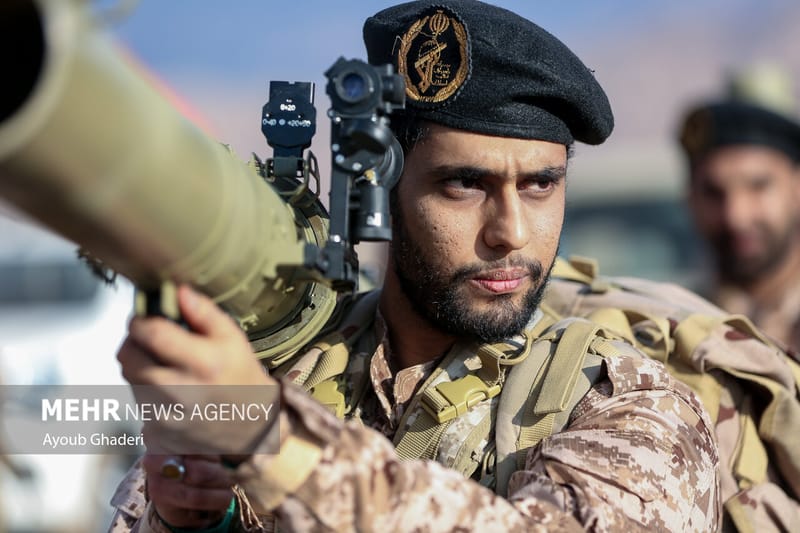
Iran's Revolutionary Guards say they targeted US radar in Bahrain; no independent confirmation
Iran's Revolutionary Guards said on 13 November 2026 that they attacked a US early-warning radar in Bahrain in retaliation for a strike in southern Iran, but the reports reviewed by Vocemundi include no confirmation from Bahrain or the US military.

Cummins denies Khawaja claim that Australia team knew of 2018 ball-tampering plot
Australia captain Pat Cummins used a 68-minute news conference in Sydney to reject claims in Usman Khawaja's autobiography that players knew about, or helped plan, the 2018 Cape Town sandpaper plot.
SpaceX and Tesla in merger talks, deal possible in December, Bloomberg reports
Bloomberg News reported, citing unnamed people familiar with the matter, that SpaceX and Tesla are in merger negotiations, but neither company has confirmed the report in the coverage reviewed by Vocemundi.
Comments