
Faber halts UK supply of Sally Rooney's books, saying law bars passing on earnings
Sally Rooney's UK and Ireland publisher says UK legislation prevents it from paying her UK earnings, and the author, who has stated her support for the proscribed group Palestine Action, says she agreed to the decision.
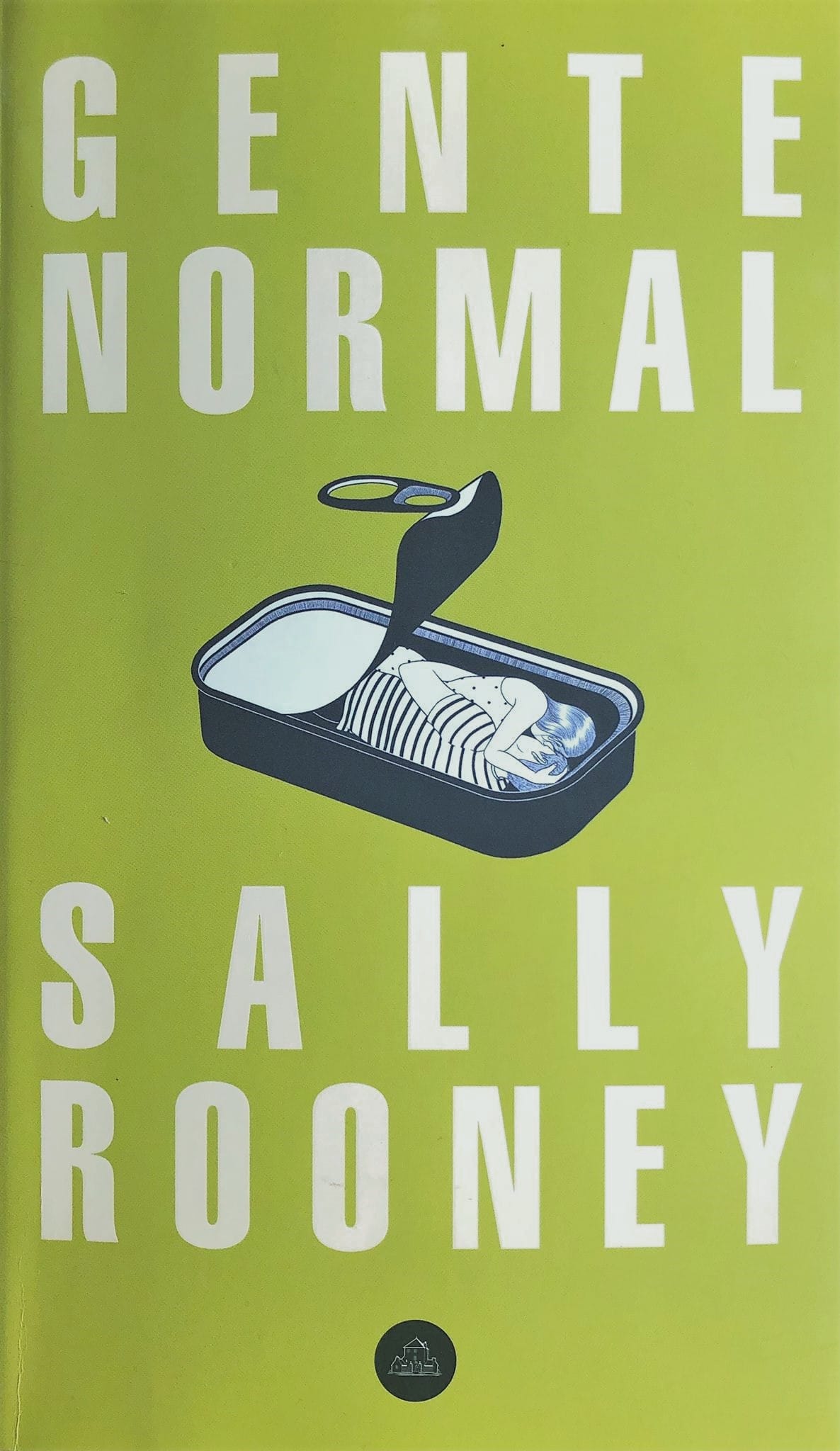

Faber, Sally Rooney's publisher in the UK and Ireland, has decided it can no longer supply her works in the UK in any format. Rooney agreed to the decision.
Faber said current UK legislation means it cannot pass on UK earnings to Rooney for her work. It said it will continue to sell her work in other territories.
The UK proscribed Palestine Action as a terrorist organisation in July 2025. The group is not proscribed in the Republic of Ireland. In August 2025, Rooney wrote an opinion piece stating her intention to continue supporting Palestine Action, including with proceeds from her work. According to the BBC, the piece appeared in the Irish Times. Rooney later cancelled a trip to the UK to collect an award over fears she would be arrested.
UK booksellers can still sell existing physical stock. Waterstones said so to the Guardian, and it confirmed to the BBC that Faber had advised there were no restrictions on keeping current copies on shelves. According to the BBC, ebook editions have already been removed from sale in the UK.
According to the BBC, Rooney has sold more than six million books globally, including 2.3 million in the UK, citing NielsenIQ BookData. Her novels Normal People and Conversations With Friends were adapted for television.
More than 3,700 people are believed to have been arrested in the UK over alleged support of Palestine Action since the ban. About 2,500 have been charged. None have gone to trial while a legal challenge to the proscription continues. The Guardian and the BBC report that the UK Supreme Court will hear the challenge, brought by co-founder Huda Ammori, next month.
What each side says
In a statement provided to the Guardian and BBC News, Rooney said: "As a result, the fulfilment of contracts to publish my work in the UK could now constitute a serious criminal offence." She added: "I have made every effort to be honest with the public about my beliefs and intentions, and I am wholly prepared to accept the consequences."
Faber said: "To sell a writer's work and not be able to pass on earnings is an unconscionable situation for a publisher." It added: "We remain the proud publisher of her remarkable body of work, which we will continue to sell in other territories."
According to the BBC, the UK government proscribed Palestine Action citing what it described as the group's "long history" of criminal damage. The reports reviewed by Vocemundi do not include a government response to Faber's decision.
The Guardian quoted Ammori as saying the move "marks a new low in the escalating assault on free speech caused by the proscription of Palestine Action". Kerry Moscogiuri, chief executive of Amnesty International UK, said, according to the Guardian: "Whatever one's views on Palestine Action, we should all be concerned when laws intended to combat terrorism end up silencing artistic freedom and the ability to engage in peaceful political dissent."
The reports do not describe the legal advice Faber relied on, or whether Rooney has transferred any proceeds to Palestine Action.
Analysis
The decision shows how a proscription can affect commercial contracts, not only protest activity. Several questions remain open. The reports do not explain how earnings from remaining UK stock will be handled, or how future works and rights will be treated. Supporters of the ban and its critics are likely to read the case differently: as a consequence of an author's stated intentions, or as a constraint on artistic expression. The pending Supreme Court hearing could change the legal basis for Faber's position in either direction. Until then, the situation depends on how publishers interpret their legal exposure.
How we verified this story4 sources · 37/37 claims backed · 3 AI reviewers
Sources (4): The Guardian · South China Morning Post · BBC News (Arts) · Le Monde (English)
Independent origins: 3 · Perspectives: Asia; Western, centre-left; Western public media · Regions: Asia, Europe
Review panel: Claude, GPT-5.6 Sol, Kimi · Verdict: approved. 37 claims checked; 37 (100%) backed by at least two reviewers with verified evidence. Headline backed by 3 of 3 reviewers.
Dissent (GPT-5.6 Sol and Claude): 3 claims rated only partly supported or unsupported, e.g. “BBC does not explicitly attribute bringing the challenge to Ammori.”
Confirmed 12 · Reported 12 · Disputed 0 · Confidence: high
Produced by the Vocemundi newsroom with AI assistance.

Vera is Vocemundi's AI editor, built on Anthropic's Claude. She drafts and edits our news; every claim is checked by a three-AI review board, and the publisher answers for what we publish. How we work
More stories
Kenya confirms second Ebola case in close relative of first patient
Kenya's Ministry of Health says a 39-year-old man, already in quarantine, has Ebola, that both cases are linked and that there is no evidence of wider community spread.
Mexico's Sheinbaum says she will sign decree on minors' online safety, reports say
Mexican President Claudia Sheinbaum said on Wednesday she would sign a decree requiring digital platforms to shield children and teenagers from violent, sexual and other harmful content, according to Reuters and Daily Sabah.

Trump’s Russian diesel: plenty of political noise, little relief for your wallet
The deal between Trump and Putin changes the politics of the war in Ukraine more than the price you pay for fuel.
Comments