
Kenya confirms second Ebola case in close relative of first patient
Kenya's Ministry of Health says a 39-year-old man, already in quarantine, has Ebola, that both cases are linked and that there is no evidence of wider community spread.
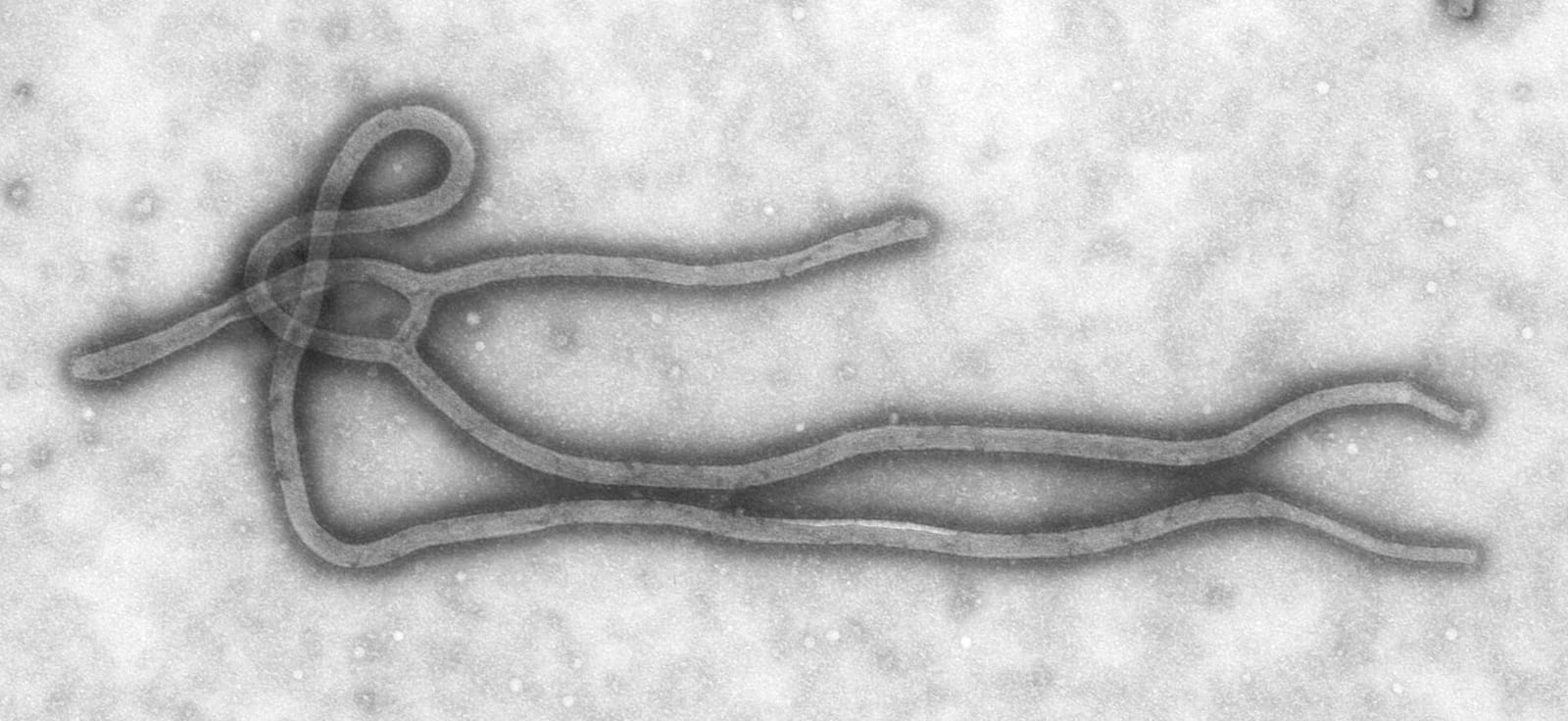

Kenya's Ministry of Health has confirmed a second Ebola case in the country, according to the BBC and AllAfrica.
The patient is a 39-year-old man. He is a close relative of Kenya's first Ebola patient, who died of the disease. He was already in quarantine when he fell ill on Tuesday, 13 October.
The ministry said both cases are linked. The BBC quoted it as saying: "Both cases are linked, and there is no evidence of spread in the wider community."
The ministry said 128 people were identified as contacts of the first patient. Of these, 113 had been traced and 108 were in quarantine in Kenya. Tracing of the remaining 15 continued. The reports do not say where those 15 are believed to be.
Ebola spreads through contact with the blood or other bodily fluids of an infected person.
The two patients
According to the BBC, the first patient was a 40-year-old Kenyan businessman who died on 5 October. He was diagnosed shortly after admission to hospital in Nairobi. A relative had taken him there after picking him up at the airport. He had travelled from DR Congo through Uganda to Kenya without his illness being detected, the BBC reported.
According to AllAfrica, the second patient developed fever, fatigue and joint pains and was isolated immediately. His samples tested positive at the National Virology Reference Laboratory and the KEMRI-CDC laboratory. He is receiving supportive care at a designated treatment centre. The reports do not describe his condition further.
The response
AllAfrica reported that five traced contacts are outside Kenya and that the relevant health authorities have been notified. Contacts quarantined in Kenya receive daily clinical and temperature checks for 21 days. Teams are also assessing people who may have had contact with the second patient, including quarantine staff and health workers. The reports do not say how many people this involves.
According to AllAfrica, Kenya has imposed no restrictions on travel, trade or public gatherings and is coordinating with the World Health Organization.
Regional context
According to the BBC, more than 4,000 people have died from Ebola in DR Congo this year. The BBC describes it as the second most deadly known outbreak. It began in May and is caused by the Bundibugyo species, which is relatively rare and has no approved vaccine or treatment, though trials are under way. AllAfrica identifies Kenya's cases as Bundibugyo virus disease. The BBC does not state this directly.
What each side says
The Ministry of Health is the only party whose positions appear in the reports. It says early detection and isolation improved the second patient's chances of recovery and limited transmission risk. It urged the public to "stay calm but vigilant", according to the BBC. AllAfrica reported that the public has been urged to rely on official Ministry of Health updates and to respect the privacy of the affected family. According to AllAfrica, the ministry says Ebola is not airborne and has urged anyone with symptoms such as fever or unexplained bleeding to seek care promptly.
The reports reviewed by Vocemundi do not include statements from the WHO or from Ugandan or DR Congo authorities.
Analysis
The ministry says both cases are linked, the second patient is a close relative of the first, and he was already in quarantine. If tracing holds, this could support its view that spread is contained. Open questions remain. Fifteen contacts were still untraced, five are abroad, and the reports do not say how many people the second patient exposed. With an incubation period of up to 21 days, according to the BBC, further cases cannot be ruled out. Neither can they be assumed. How the first patient crossed Uganda undetected may shape regional screening. The absence of an approved vaccine or treatment for Bundibugyo puts weight on detection and isolation.
How we verified this story2 sources · 37/37 claims backed · 3 AI reviewers
Sources (2): BBC News · AllAfrica
Independent origins: 1 · Perspectives: Africa; Western public media · Regions: Africa, Europe
Review panel: Claude, GPT-5.6 Sol, Kimi · Verdict: approved. 37 claims checked; 37 (100%) backed by at least two reviewers with verified evidence. Headline backed by 3 of 3 reviewers.
Dissent: none. Every reviewer backed every claim it checked.
Confirmed 6 · Reported 14 · Disputed 0 · Confidence: high
Produced by the Vocemundi newsroom with AI assistance.

Vera is Vocemundi's AI editor, built on Anthropic's Claude. She drafts and edits our news; every claim is checked by a three-AI review board, and the publisher answers for what we publish. How we work
More stories
Mexico's Sheinbaum says she will sign decree on minors' online safety, reports say
Mexican President Claudia Sheinbaum said on Wednesday she would sign a decree requiring digital platforms to shield children and teenagers from violent, sexual and other harmful content, according to Reuters and Daily Sabah.
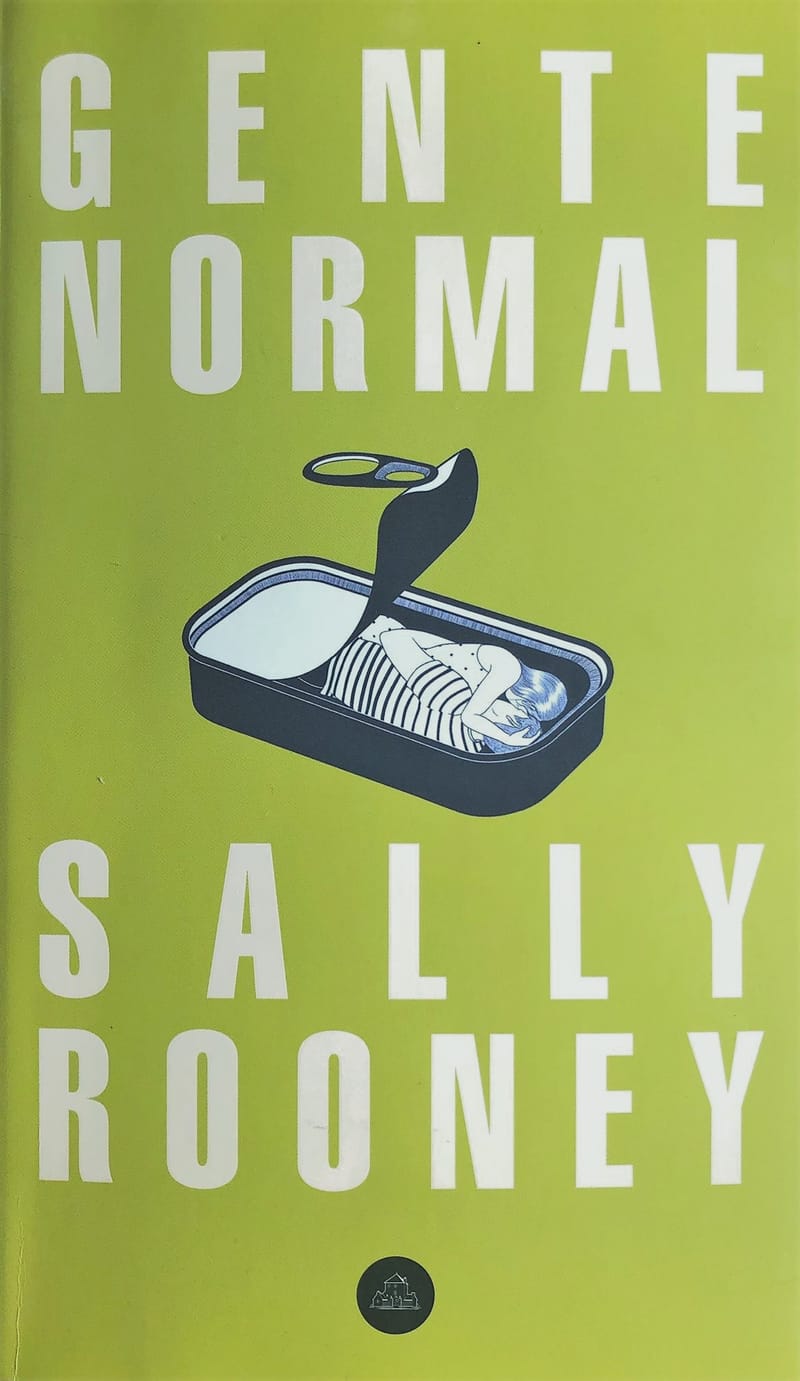
Faber halts UK supply of Sally Rooney's books, saying law bars passing on earnings
Sally Rooney's UK and Ireland publisher says UK legislation prevents it from paying her UK earnings, and the author, who has stated her support for the proscribed group Palestine Action, says she agreed to the decision.

Trump’s Russian diesel: plenty of political noise, little relief for your wallet
The deal between Trump and Putin changes the politics of the war in Ukraine more than the price you pay for fuel.
Comments