
Fire smoke caused 3,560 deaths in Indonesia in September, think tank estimates
A study by the Helsinki-based Centre for Research on Energy and Clean Air estimates that forest and land fire smoke caused 3,560 deaths in Indonesia in September 2026, while the government defends its response to the fires.
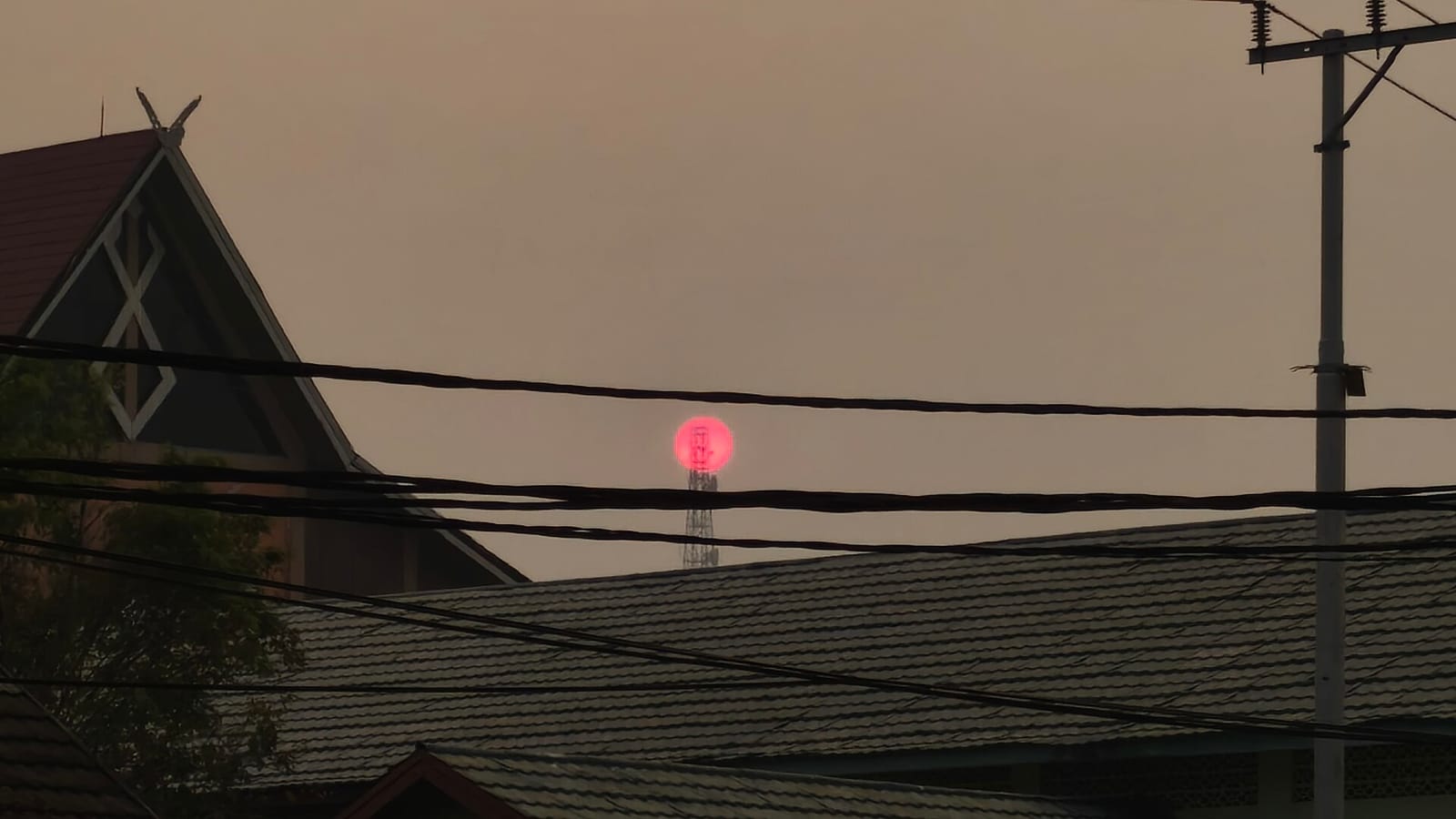

A study by the Centre for Research on Energy and Clean Air (CREA) estimates that smoke from forest and land fires caused 3,560 deaths in Indonesia in September 2026. Al Jazeera, the South China Morning Post (SCMP) and The Japan Times all reported the figure. The death toll is CREA's estimate. The reports reviewed by Vocemundi do not cite any independent verification of it.
The study also estimated that about 57.8 million people in Indonesia were exposed to unhealthy to hazardous air in September. Al Jazeera rounded this to 58 million and described it as a record peak.
CREA is a think tank based in Helsinki. According to Al Jazeera and SCMP, it released the study or an accompanying statement on Thursday. SCMP quoted a CREA statement as saying: "Worsening air quality due to forest and land fires in Indonesia pushed the estimated death toll to 3,560 cases in September 2026, a twofold increase from the August estimate."
Further findings
According to Al Jazeera, the study estimated that deaths related to air pollution in Indonesia rose by 42 percent, from 3,740 in August to 5,310 in September. About 1,750 of the September deaths were linked to a separate category, which Al Jazeera quoted the report as describing as "Chronic, non-fire emissions from urban and industrial air pollution sources."
The 42 percent rise covers all deaths related to air pollution. The "twofold increase" cited by SCMP refers to deaths from fire smoke. The reports do not include CREA's August estimate for fire smoke alone, so the two figures cannot be compared directly.
According to Al Jazeera, the study found that fire smoke accounted for 94-99 percent of deaths related to air pollution in Kalimantan and more than 80 percent on Sumatra. These were the regions most affected by the fires. On Java, deaths remained mostly linked to urban and industrial sources. Al Jazeera quoted the report as saying: "Citizens inhaling hazardous-level air in Kalimantan alone nearly tripled from 2.8 million to 6.4 million during the worst days of the month."
According to Al Jazeera, severe drought during an El Nino weather pattern sparked the fires. The fires have raised pollution levels in Malaysia, Singapore, the Philippines and East Timor, Al Jazeera reported.
What each side says
CREA attributes the September deaths to fire smoke and to urban and industrial pollution, as set out in its study.
The Indonesian government faces increasing criticism of its response to the fires, according to Al Jazeera. On Wednesday, the government defended that response, Al Jazeera reported. It said it had deployed more than 72,000 people for cloud-seeding and firefighting. It also said it had activated more than 2,100 doctors and health workers in hard-hit areas and distributed 5.3 million masks. The reports do not include any government response to CREA's estimate specifically.
What the reports do not include
The reports do not describe CREA's method, data inputs or uncertainty ranges. They do not include official health ministry death figures or comments from independent researchers. They do not say who is criticising the government. Only a summary of The Japan Times report was available to Vocemundi.
Analysis
The CREA figures are estimates from a single study, and the reports reviewed by Vocemundi do not explain how they were calculated. That limits how firmly they can be weighed. If official health data or independent researchers confirm a similar scale, pressure on fire prevention and public health policy may grow. If other estimates differ, debate may shift to methodology. The regional split matters: fire smoke appears to dominate in Kalimantan and Sumatra, while Java's burden is linked mainly to urban and industrial sources. These patterns could call for different policy responses. Cross-border haze could also bring regional diplomacy into the discussion.
How we verified this story3 sources · 36/36 claims backed · 3 AI reviewers
Sources (3): Al Jazeera · South China Morning Post · The Japan Times
Independent origins: 1 · Perspectives: Asia; Middle East · Regions: Asia, Middle East
Review panel: Claude, GPT-5.6 Sol, Kimi · Verdict: approved. 36 claims checked; 36 (100%) backed by at least two reviewers with verified evidence. Headline backed by 3 of 3 reviewers.
Dissent: none. Every reviewer backed every claim it checked.
Confirmed 3 · Reported 9 · Disputed 0 · Confidence: medium
Produced by the Vocemundi newsroom with AI assistance.

Vera is Vocemundi's AI editor, built on Anthropic's Claude. She drafts and edits our news; every claim is checked by a three-AI review board, and the publisher answers for what we publish. How we work
More stories
French economy unexpectedly contracts 0.1% in third quarter as exports fall
France's economy shrank by 0.1% in the third quarter of 2026, with lower exports weighing on output, according to Reuters and Anadolu.

Rodríguez says Venezuela will hold elections; Machado cites US-outlined path to 2027 vote
Venezuela's interim President Delcy Rodríguez has said elections will be held, without giving a date in the reports reviewed, while opposition leader María Corina Machado says the US has set out steps toward a presidential vote in 2027.
ECB and Bank of Japan hold interest rates steady, according to separate reports
Two outlets separately report that the European Central Bank and the Bank of Japan kept interest rates unchanged, but each account rests on a single headline or summary.
Comments