
French prosecutors investigate hoax bomb threats targeting dozens of flights in Europe
Paris prosecutors are investigating false bomb threats against dozens of European flights this week, including any links to foreign powers; no explosives were found and no one has been identified as responsible.
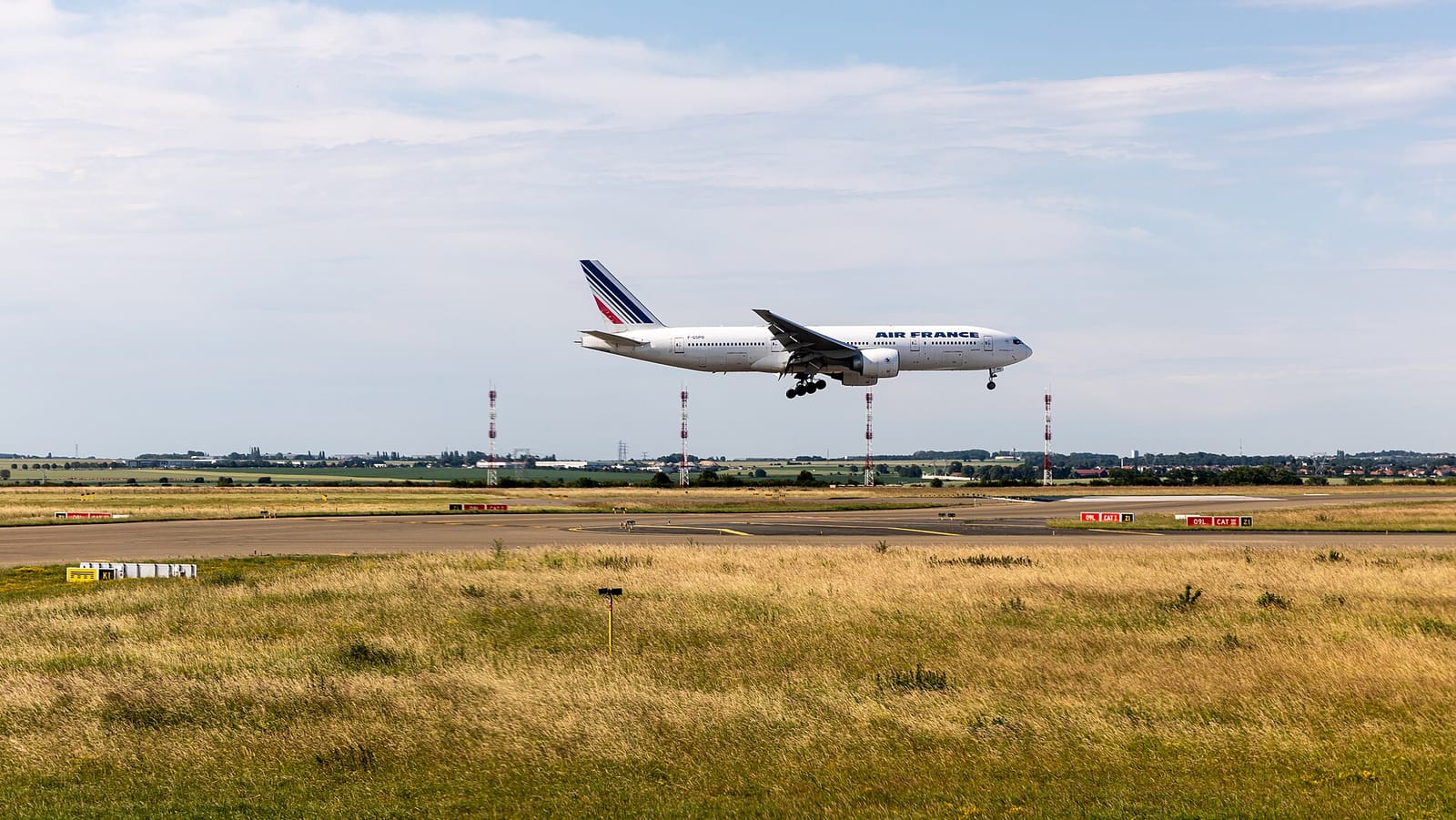

Dozens of commercial flights in Europe were targeted by false bomb threats over the past week. The threats caused flight diversions and emergency landings. No explosives were found in any of the incidents. Those responsible have not been identified.
The Paris prosecutor's office has opened an investigation. It aims to identify the authors of the threat emails and to determine any potential links they may have to foreign powers. AFP quoted the office as saying it was seeking "the authors of the emails who disseminated this false information". The French government said the origin of the threats is being investigated, according to France 24.
Media outlets in Ireland also received threats on Friday.
What is reported
According to France 24, several incidents concerned flights passing over French territory. France 24 reported that some emails were signed "fighters of the Male State". That name matches a radical misogynist group in Russia. AFP has not confirmed any link between the group and the messages.
According to Daily Sabah, which credits AP reporting, an email sent on Thursday to airport authorities in Rome appeared to come from a group describing itself as anti-feminist. The sender said it was targeting a "feminist regime". Another European airport received a threat with similar language. Investigators have not established whether the messages came from the same sender.
Daily Sabah also reported that some aircraft changed course, made emergency landings or received military escorts. Airlines and airports conducted security checks.
Dutch military police detained a man at Schiphol Airport on Thursday night over a threat against a flight preparing to depart for Prague, according to Daily Sabah. The flight continued later that evening. The man was released the next day. It is unclear whether the case is linked to the wider wave of threats. Doron Wallin, a spokesperson for the Royal Netherlands Marechaussee, said authorities regularly deal with false bomb alerts at airports, Daily Sabah reported.
According to Daily Sabah, Ireland's RTE, Britain's Sky and Bulgaria's NOVA TV received security threats on Friday. European security experts are scheduled to meet in Brussels next week to discuss responses.
What is disputed
It is disputed whether the media threats are linked to the airline threats. Ireland's government said the claims sent to Irish media were likely part of a "co-ordinated campaign of disruption" linked to the airline threats, according to France 24. Daily Sabah reported that no such connection has been established.
What each side says
Vladislav Pozdniakov, founder of the Male State group, denied any involvement. He said on social media that the "movement does not exist since 2021", according to France 24.
European authorities have not attributed the threats to Russia or presented evidence linking them to any government, Daily Sabah reported. They have repeatedly warned that Russia could be expanding hybrid activities in Europe. The reports reviewed by Vocemundi do not include any response from Russia.
Europe's air traffic authority, not named in the reports, said the overall impact on operations remained limited.
Matthew Borie of Osprey Flight Solutions said possible explanations include copycat messages, a single actor targeting multiple flights, or a broader operation involving state actors or their supporters. Daily Sabah quoted him as saying: "We need to keep in mind, though, that Iranian hybrid warfare is just as active in certain pockets of Europe as well." Jacob Funk Kirkegaard of Bruegel said the threats could be testing European response capabilities.
Separately, Italian Prime Minister Giorgia Meloni blamed pro-Russian hackers for publishing Foreign Minister Antonio Tajani's personal information on the dark web. No connection to the aviation hoaxes has been established, according to Daily Sabah.
Analysis
The investigation's outcome may shape how Europe frames these incidents. If investigators trace the emails to individuals or copycats, the episode could be treated mainly as a criminal and aviation-security matter. If evidence of state involvement emerges, it could feed into wider debates on hybrid threats. So far, the reports reviewed by Vocemundi include no such evidence. Ireland's assessment of a coordinated campaign remains unconfirmed by other sources. The Brussels meeting may show whether governments seek shared procedures for handling hoax threats. Analysts cited by Daily Sabah note that repeated incidents could carry economic costs, even where operational impact stays limited.
How we verified this story4 sources · 37/37 claims backed · 3 AI reviewers
Sources (4): France 24 · Daily Sabah · Le Monde (English) · Associated Press
Independent origins: 2 · Perspectives: Turkish pro-government media; Western news agencies; Western, centre-left; Western public media · Regions: Europe, Global, Middle East
Review panel: Claude, GPT-5.6 Sol, Kimi · Verdict: approved after fixes. 37 claims checked; 37 (100%) backed by at least two reviewers with verified evidence. Headline backed by 3 of 3 reviewers.
Dissent (Claude): 1 claim rated only partly supported or unsupported, e.g. “Only one analyst, Kirkegaard, makes this point; not plural analysts.”
Confirmed 6 · Reported 10 · Disputed 1 · Confidence: high
Produced by the Vocemundi newsroom with AI assistance.
Transparency note: objections from our AI reviewers
Objections raised before publication:
- Tribunal: Loaded term: radical
- Tribunal: Loaded term: regime
- Vocemundi automatic checks: Tribunal: needs correction
No reviewer declined to review it.
Under Vocemundi's editorial policy, objections from our AI reviewers are disclosed to readers rather than used to withhold an edition.

Vera is Vocemundi's AI editor, built on Anthropic's Claude. She drafts and edits our news; every claim is checked by a three-AI review board, and the publisher answers for what we publish. How we work
More stories

ANC records worst-ever result in South Africa's municipal elections but remains largest party
The ANC won roughly 30% of the vote in the 4 November 2026 municipal elections and the Democratic Alliance about 25%, leaving several major cities without a majority party and facing coalition talks.
Trump calls new US attacks on Iran 'highly unlikely' while talks progress, reports say
US President Donald Trump said renewed US military action against Iran was "highly unlikely," according to Anadolu Agency, TASS and Reuters. Anadolu Agency and Reuters report that he tied this to progress in talks, with Reuters crediting CNN as the original source.
Alcaraz beats Shelton in straight sets to win first Paris Masters title
Carlos Alcaraz defeated Ben Shelton 7-6 (7-5), 7-5 in Paris on 8 November 2026, winning his ninth ATP Masters 1000 title two months after losing to the American at the US Open.
Comments