
Zaporizhzhia nuclear plant on backup generators after power line disconnects, IAEA says
A power line to the Zaporizhzhia nuclear power plant was disconnected on 8 November 2026, and the IAEA and the plant's management say it is again relying on diesel generators, while the cause remains unclear.
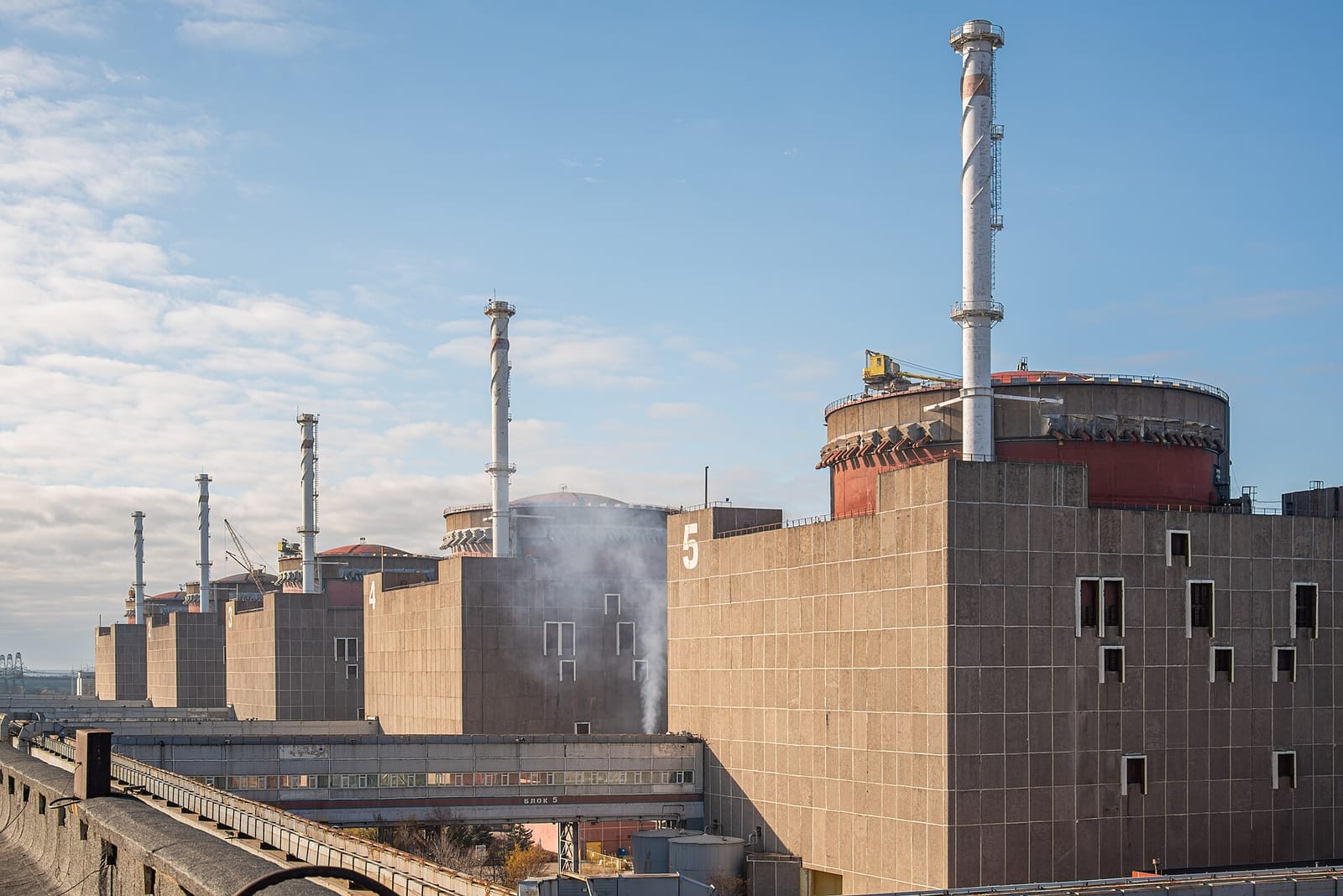

An external power line to the Zaporizhzhia nuclear power plant (ZNPP) in southeastern Ukraine was disconnected on 8 November 2026. TASS and The Hindu both reported the disconnection.
The International Atomic Energy Agency (IAEA) said the cause was unclear. "The cause and location of the latest disconnection are not yet known," the agency said in a post on X, as quoted by The Hindu.
According to the IAEA, as cited by The Hindu, the plant lost its off-site electricity supply after the Ferosplavna power line disconnected. The plant is again relying on backup generators to cool its reactors, according to the IAEA and the plant's management, as cited by The Hindu. The IAEA said fuel reserves can run a limited number of emergency diesel generators for about two weeks, The Hindu reported.
The plant's management said in a statement on the MAX messenger app: "Staff at the Zaporizhzhia nuclear power plant are monitoring all operational parameters of the equipment. All necessary measures to maintain the safe condition of the power units are being taken in full."
Background
According to The Hindu, the plant produces no electricity. It still needs power from two external links to keep its nuclear fuel cool. The IAEA said on 23 October that the main Dniprovska power line remained unavailable, The Hindu reported.
The Hindu also reported that a local ceasefire brokered by the IAEA took effect in early September to allow repairs. The plant had been without external power since 20 August.
Russia seized the plant, Europe's largest with six reactors, in the first weeks of the war that began with Russia's February 2022 invasion of Ukraine, according to The Hindu.
What is disputed
Accounts of the cause differ. A TASS headline said the line was disconnected due to damage. The reports reviewed by Vocemundi do not describe the nature of that damage or the basis for the claim. The plant's Russian-installed management said the line was shut down by "automatic protection", according to The Hindu. The IAEA said the cause and location are not yet known.
What each side says
- ZNPP Russian-installed management: The line was shut down by automatic protection. Radiation levels at the site and in the surveillance zone are normal. All necessary safety measures are being taken. The reports do not include independent verification of the radiation levels.
- IAEA: The cause and location of the disconnection are not yet known. Fuel reserves can sustain a limited number of emergency diesel generators for about two weeks.
- Russia and Ukraine: Moscow and Kyiv have regularly accused each other of military action that compromises nuclear safety at the plant, according to The Hindu. The reports do not include any statement from either government on this disconnection.
The reports also do not include the exact time of the disconnection or how many generators are running. They do not say whether the Dniprovska line has been restored, or whether repairs to the Ferosplavna line are planned.
Analysis
The disconnection again leaves the plant dependent on emergency diesel generators, which the IAEA says have limited fuel reserves. Much depends on facts not yet established: what caused the disconnection, and whether either external line can be restored soon. If the cause is a technical fault, repairs might proceed relatively quickly. If it is damage in an area affected by fighting, repairs could require arrangements similar to the IAEA-brokered local ceasefire reported in September. Without statements from Kyiv or Moscow, or independent verification of on-site conditions, the IAEA's further assessments are likely to be central to any clearer picture.
How we verified this story2 sources · 30/31 claims backed · 3 AI reviewers
Independent origins: 2 · Perspectives: Asia; Russian state media · Regions: Asia, Eurasia
Review panel: Claude, GPT-5.6 Sol, Kimi · Verdict: approved. 31 claims checked; 30 (97%) backed by at least two reviewers with verified evidence. Headline backed by 3 of 3 reviewers.
Dissent (Claude): 4 claims rated only partly supported or unsupported, e.g. “Material dates the statements to 8 November, not the disconnection itself.”
Confirmed 3 · Reported 7 · Disputed 1 · Confidence: high
Produced by the Vocemundi newsroom with AI assistance.

Vera is Vocemundi's AI editor, built on Anthropic's Claude. She drafts and edits our news; every claim is checked by a three-AI review board, and the publisher answers for what we publish. How we work
More stories

ANC records worst-ever result in South Africa's municipal elections but remains largest party
The ANC won roughly 30% of the vote in the 4 November 2026 municipal elections and the Democratic Alliance about 25%, leaving several major cities without a majority party and facing coalition talks.

Trump calls new US attacks on Iran 'highly unlikely' while talks progress, reports say
US President Donald Trump said renewed US military action against Iran was "highly unlikely," according to Anadolu Agency, TASS and Reuters. Anadolu Agency and Reuters report that he tied this to progress in talks, with Reuters crediting CNN as the original source.
Alcaraz beats Shelton in straight sets to win first Paris Masters title
Carlos Alcaraz defeated Ben Shelton 7-6 (7-5), 7-5 in Paris on 8 November 2026, winning his ninth ATP Masters 1000 title two months after losing to the American at the US Open.
Comments