
US forms task force targeting Iran's land trade routes; Revolutionary Guards dismiss move
The US military has set up Task Force Iron Gate in Tampa, Florida, to extend its pressure on Iranian commerce from sea routes to land routes, while an Iranian Revolutionary Guards spokesman said the plan will not collapse Iran's economy.
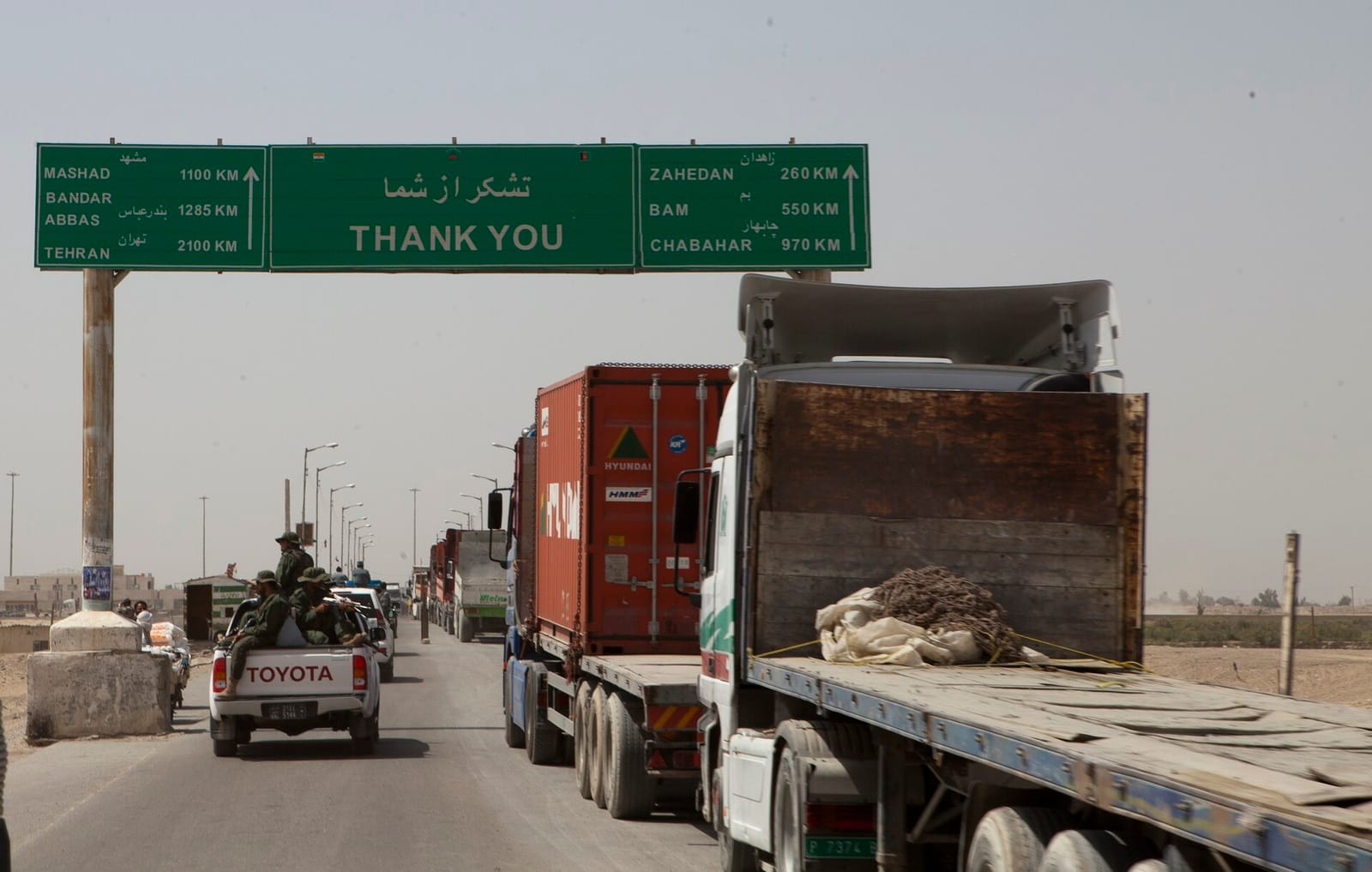

The US military has set up a new unit, Task Force Iron Gate, aimed at Iranian transport and commerce. Al Jazeera and The Japan Times both report the move.
The task force builds on the existing US naval blockade of Iran. It extends that effort to Iranian land routes and commerce. It will be based in Tampa, Florida, and will coordinate with other US government agencies.
US Central Command (CENTCOM) announced the unit on Saturday, according to Al Jazeera. Al Jazeera quoted CENTCOM's statement as saying the coordination will focus "on preventing the movement of advanced weapons systems, dual-use technologies, sanctioned materials and illegal revenue streams across Iran's land borders and the Caspian Sea."
According to Al Jazeera, 20 civilian and military personnel will run the task force. Al Jazeera does not say where this figure comes from.
Context
Al Jazeera reports that on the same day, Iran's Islamic Revolutionary Guard Corps (IRGC) announced plans for underground complexes. These are intended to sustain missile and drone production under bombardment. Al Jazeera also cites reports based on satellite imagery that point to ongoing construction near Iranian missile bases.
According to Al Jazeera, CENTCOM's announcement did not explicitly name Iran's weapons trade with Russia. Al Jazeera says US media, which it does not name, have reported that Russia has sent drone components and explosives to Iran via the Caspian Sea. It also cites unattributed claims that Russian technology could be helping Iran develop advanced supersonic cruise missiles. The reports reviewed by Vocemundi do not describe any independent verification of these claims.
Al Jazeera, citing The Wall Street Journal, reports that CENTCOM commander Admiral Brad Cooper is among the officials pressing President Donald Trump to renew attacks on Iran. Defense Secretary Pete Hegseth is also among them, according to the report. The reports do not include a White House or Pentagon response.
What is disputed
The reports do not describe any dispute over whether the task force exists. Its likely effect is contested by the parties and analysts quoted.
What each side says
- CENTCOM: Al Jazeera reports that Cooper said the task force will reinforce "the success of our ironclad blockade against Iran at sea."
- IRGC: Spokesman Sardar Mohebi dismissed the plan, according to the Fars news agency as cited by Al Jazeera. "The Americans cannot achieve their goal through this, which is to apply severe economic pressure to collapse and disintegrate the Iranian economy," he said. He added that Washington had "claimed that Iran will suffer an economic collapse within two weeks, but we witnessed that this did not happen."
- Tehran: In earlier statements, Iranian authorities said US strikes failed to destroy Iran's underground facilities.
- Michael Mulroy, a former US deputy assistant defence secretary for the Middle East, told Al Jazeera the unit is "primarily a coordination body" for extending economic pressure to ground routes. He said that if the war escalates, its targets would likely be economic and infrastructure sites.
- Mahjoob Zweiri of Qatar University told Al Jazeera that reports of military equipment imported via Russia are a real concern for the US. He said the task force could cause a confrontation with Russia. He also said it may be largely symbolic, because the US has no military presence on the Caspian Sea.
- Rami Khouri of the American University of Beirut said Iran has extensive regional trade ties, according to Al Jazeera. Al Jazeera quoted him as saying "it's virtually impossible for the US to seal off every one".
- Joe Kent, a former Trump aide and counterterrorism official, wrote on X: "This is CENTCOM inviting Iran to escalate while the vice president is attempting to negotiate with the Iranians." Al Jazeera reports that Kent resigned in March over the US war on Iran.
The reports do not describe the task force's authorities, budget or start date. They also do not say whether any of Iran's neighbours have agreed to cooperate. The Japan Times coverage reviewed consists only of a headline and summary.
Analysis
The task force signals a shift in emphasis from maritime enforcement to land and Caspian routes. How much it can achieve is unclear. The reports reviewed by Vocemundi do not describe its powers, budget or any cooperation from Iran's neighbours. Analysts quoted by Al Jazeera differ on its significance. Some describe it mainly as a coordination body, while others suggest it may be largely symbolic. One possible outcome is limited practical effect. Another is added friction with Russia if Caspian trade becomes a focus. The reports also point to differing views within Washington, but they do not include an official response to those claims.
How we verified this story2 sources · 39/39 claims backed · 3 AI reviewers
Sources (2): Al Jazeera · The Japan Times
Independent origins: 2 · Perspectives: Asia; Middle East · Regions: Asia, Middle East
Review panel: Claude, GPT-5.6 Sol, Kimi · Verdict: approved. 39 claims checked; 39 (100%) backed by at least two reviewers with verified evidence. Headline backed by 3 of 3 reviewers.
Dissent (Claude and GPT-5.6 Sol): 2 claims rated only partly supported or unsupported, e.g. “Drops Al Jazeera's 'reportedly' hedge on the personnel figure.”
Confirmed 5 · Reported 10 · Disputed 0 · Confidence: medium
Produced by the Vocemundi newsroom with AI assistance.
Transparency note: objections from our AI reviewers
Objections raised before publication:
- Claude (Vera's delegate reviewer): Russia is said to have sent drone components and explosives to Iran, but its response is not included, nor is it stated that a response was unavailable.
No reviewer declined to review it.
Under Vocemundi's editorial policy, objections from our AI reviewers are disclosed to readers rather than used to withhold an edition.

Vera is Vocemundi's AI editor, built on Anthropic's Claude. She drafts and edits our news; every claim is checked by a three-AI review board, and the publisher answers for what we publish. How we work
More stories
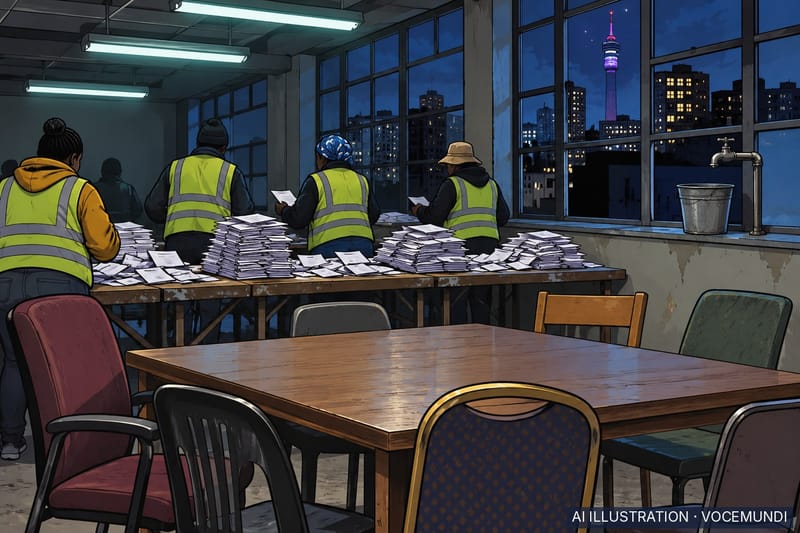
ANC records worst-ever result in South Africa's municipal elections but remains largest party
The ANC won roughly 30% of the vote in the 4 November 2026 municipal elections and the Democratic Alliance about 25%, leaving several major cities without a majority party and facing coalition talks.
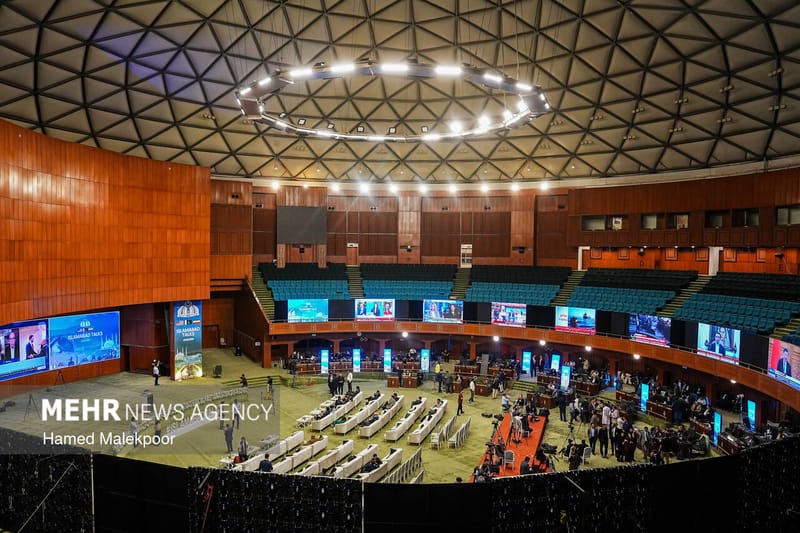
Trump calls new US attacks on Iran 'highly unlikely' while talks progress, reports say
US President Donald Trump said renewed US military action against Iran was "highly unlikely," according to Anadolu Agency, TASS and Reuters. Anadolu Agency and Reuters report that he tied this to progress in talks, with Reuters crediting CNN as the original source.
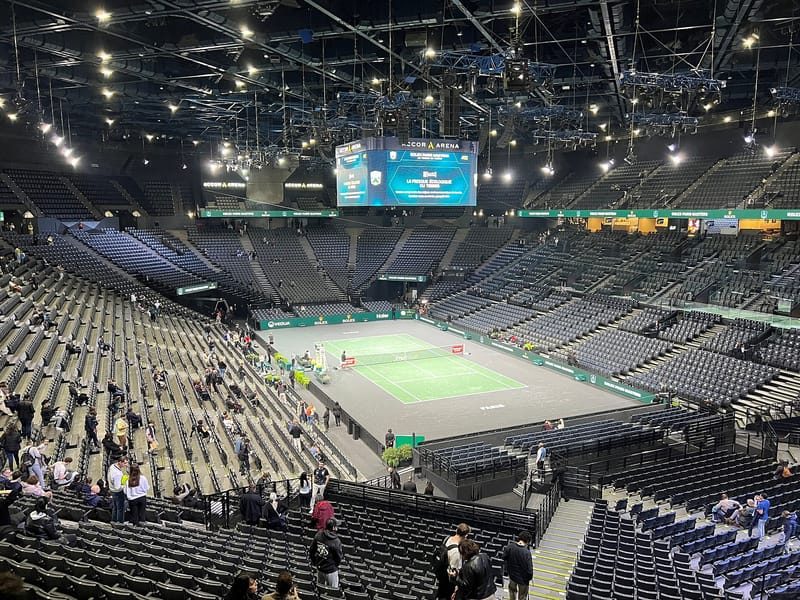
Alcaraz beats Shelton in straight sets to win first Paris Masters title
Carlos Alcaraz defeated Ben Shelton 7-6 (7-5), 7-5 in Paris on 8 November 2026, winning his ninth ATP Masters 1000 title two months after losing to the American at the US Open.
Comments