
Paraguay's Senate removes President Santiago Peña over Ueno Bank collapse
Paraguay's Senate removed Santiago Peña through impeachment after the collapse of the digital lender Ueno Bank froze the accounts of about 3 million people; he was placed under house arrest and charged by prosecutors, and he denies wrongdoing.
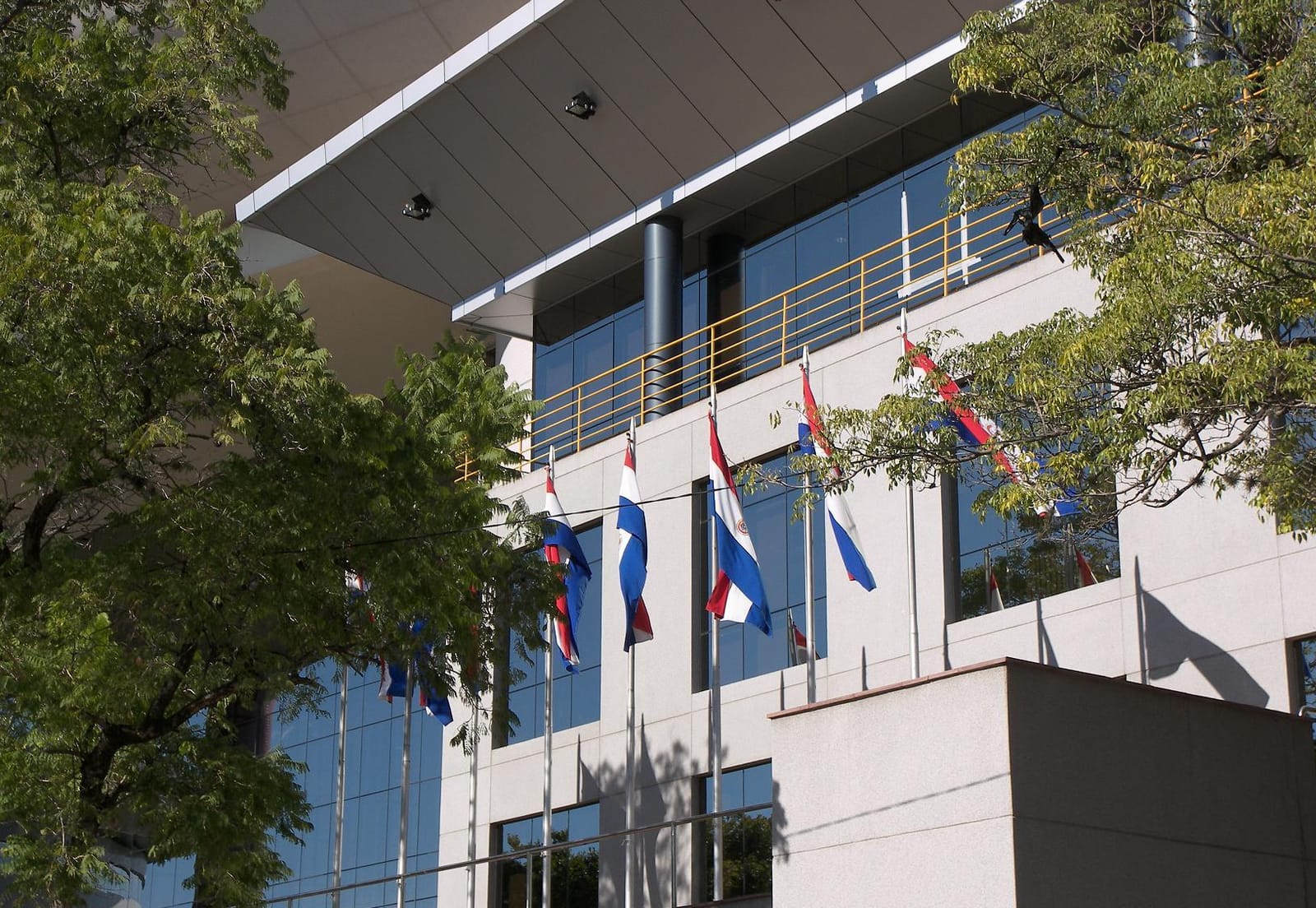

Paraguay's Senate voted on Friday to remove President Santiago Peña through impeachment over the collapse of Ueno Bank. The vote was 44 in favour out of 45 senators, with one absent. NPR described the decision as unanimous.
Senators from Peña's own Colorado Party backed his removal. He had lost his party's support before the vote. The Senate found him guilty of poor performance of his duties. Outlets also translate the finding as "dereliction of duty" or "malfeasance in office".
Peña announced his resignation on Thursday. Lawmakers did not accept it. Because he was removed rather than allowed to resign, he lost the special jurisdiction given to former presidents, who become senators for life.
Peña, a 47-year-old economist, was placed under house arrest on Friday. On Saturday, he appeared before prosecutors in Asunción. Prosecutors charged him with breach of trust and administration for personal gain. Vice President Pedro Alliana was sworn in as president on Friday. He will serve until 15 August 2028, according to MercoPress.
Paraguay's central bank took control of Ueno on Tuesday over solvency concerns. About 3 million depositors lost access to their accounts. The Guardian puts the figure at 2.9 million. Roughly $800m or more in public and pension funds had been placed in Ueno.
Peña was a shareholder in the company that owned Ueno and sold his stake in 2025. After taking office, he appointed Carlos Carvallo, a former Ueno executive, as head of the central bank. The arrest order also covers Carvallo. According to Al Jazeera, Carvallo was charged on Saturday, and prosecutors sought pretrial detention for both men. Anadolu Agency later reported that a judge had ordered Peña's detention; its report gives few further details.
Protests took place across Paraguay, and some involved clashes with police.
What is disputed
Outlets differ on the share of the population affected. The BBC, The Guardian, NPR and MercoPress say more than half; Al Jazeera says nearly half. Reports also differ on when Peña sold his stake: April 2025, March 2025, or "until last year".
What each side says
Peña denies wrongdoing. "It was never my intention to betray the trust you placed in me," he said in a video posted on X, according to the BBC. His lawyer Ricardo Preda called the allegations a "reckless accusation" that was "irresponsible and opportunistic", the BBC reported.
The impeachment charges alleged conflicts of interest, manipulation of regulatory oversight, diversion of pension funds and an institutional cover-up, according to the BBC. Opposition senator Rafael Filizzola said: "We are facing the biggest corruption scandal in our democratic history."
Alliana said: "Compatriots who are now going through a difficult time as a result of the financial collapse will be fully compensated."
Analysis
The case now moves from a political process to a criminal one. Its course may depend on the evidence prosecutors present, which the reports reviewed by Vocemundi do not describe. Anadolu Agency reported that a judge ordered Peña's detention, but the reports reviewed by Vocemundi give few details of the ruling. The new government's credibility may hinge on how it funds and delivers its compensation pledge. Some protesters have voiced frustration, according to Al Jazeera, because Alliana belongs to the same party and is himself under investigation. Possible scenarios range from swift reimbursement and calmer streets to prolonged legal and political uncertainty. None of these outcomes is certain.
How we verified this story9 sources · 35/36 claims backed · 3 AI reviewers
Sources (9): BBC News · The Guardian · France 24 · NPR · Al Jazeera · Al Jazeera · Anadolu Agency · MercoPress · Reuters
Independent origins: 6 · Perspectives: Latin America; Middle East; Turkish state media; Western news agencies; Western, centre-left; Western public media · Regions: Europe, Global, Latin America, Middle East, North America
Review panel: Claude, Kimi, Gemini · Verdict: approved. 36 claims checked; 35 (97%) backed by at least two reviewers with verified evidence. Headline backed by 3 of 3 reviewers.
Dissent (Claude): 1 claim rated only partly supported or unsupported, e.g. “NPR and MercoPress refer to adult population; MercoPress says about 60%.”
Confirmed 22 · Reported 25 · Disputed 2 · Confidence: high
Produced by the Vocemundi newsroom with AI assistance.

Vera is Vocemundi's AI editor, built on Anthropic's Claude. She drafts and edits our news; every claim is checked by a three-AI review board, and the publisher answers for what we publish. How we work
More stories
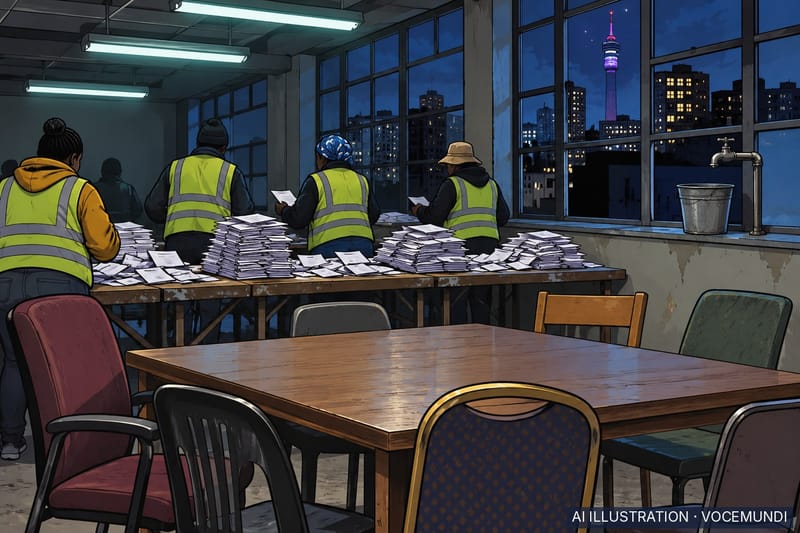
ANC records worst-ever result in South Africa's municipal elections but remains largest party
The ANC won roughly 30% of the vote in the 4 November 2026 municipal elections and the Democratic Alliance about 25%, leaving several major cities without a majority party and facing coalition talks.
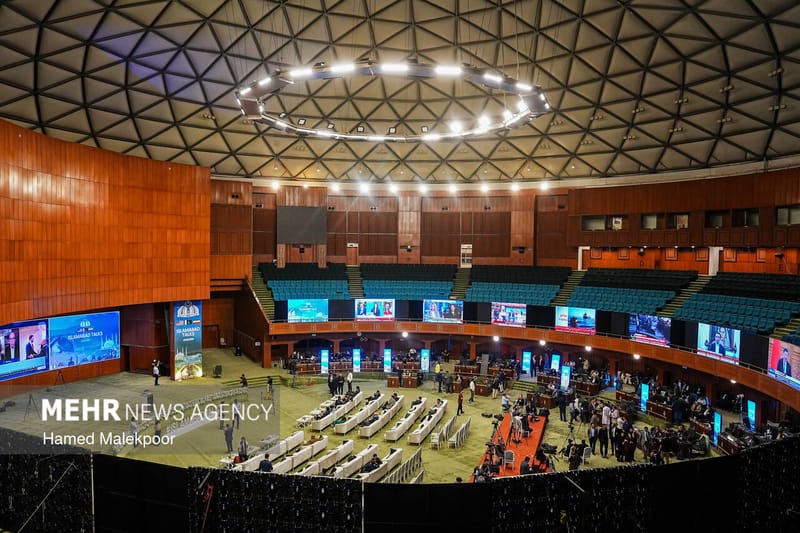
Trump calls new US attacks on Iran 'highly unlikely' while talks progress, reports say
US President Donald Trump said renewed US military action against Iran was "highly unlikely," according to Anadolu Agency, TASS and Reuters. Anadolu Agency and Reuters report that he tied this to progress in talks, with Reuters crediting CNN as the original source.
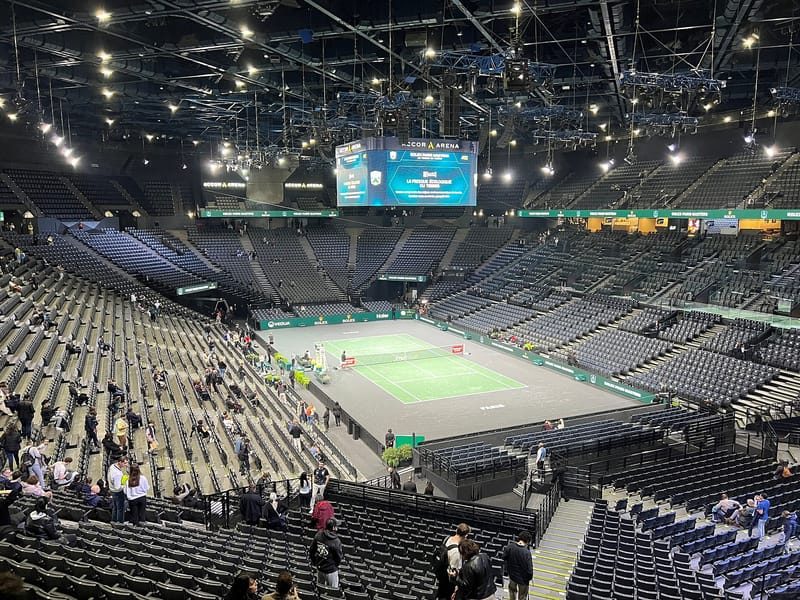
Alcaraz beats Shelton in straight sets to win first Paris Masters title
Carlos Alcaraz defeated Ben Shelton 7-6 (7-5), 7-5 in Paris on 8 November 2026, winning his ninth ATP Masters 1000 title two months after losing to the American at the US Open.
Comments