
Hunger persists in Gaza a year after ceasefire, France 24 reports
France 24 reports that widespread hunger continues in Gaza one year after the Hamas-Israel ceasefire and describes a mother who queues for six hours or more each day at a community kitchen.
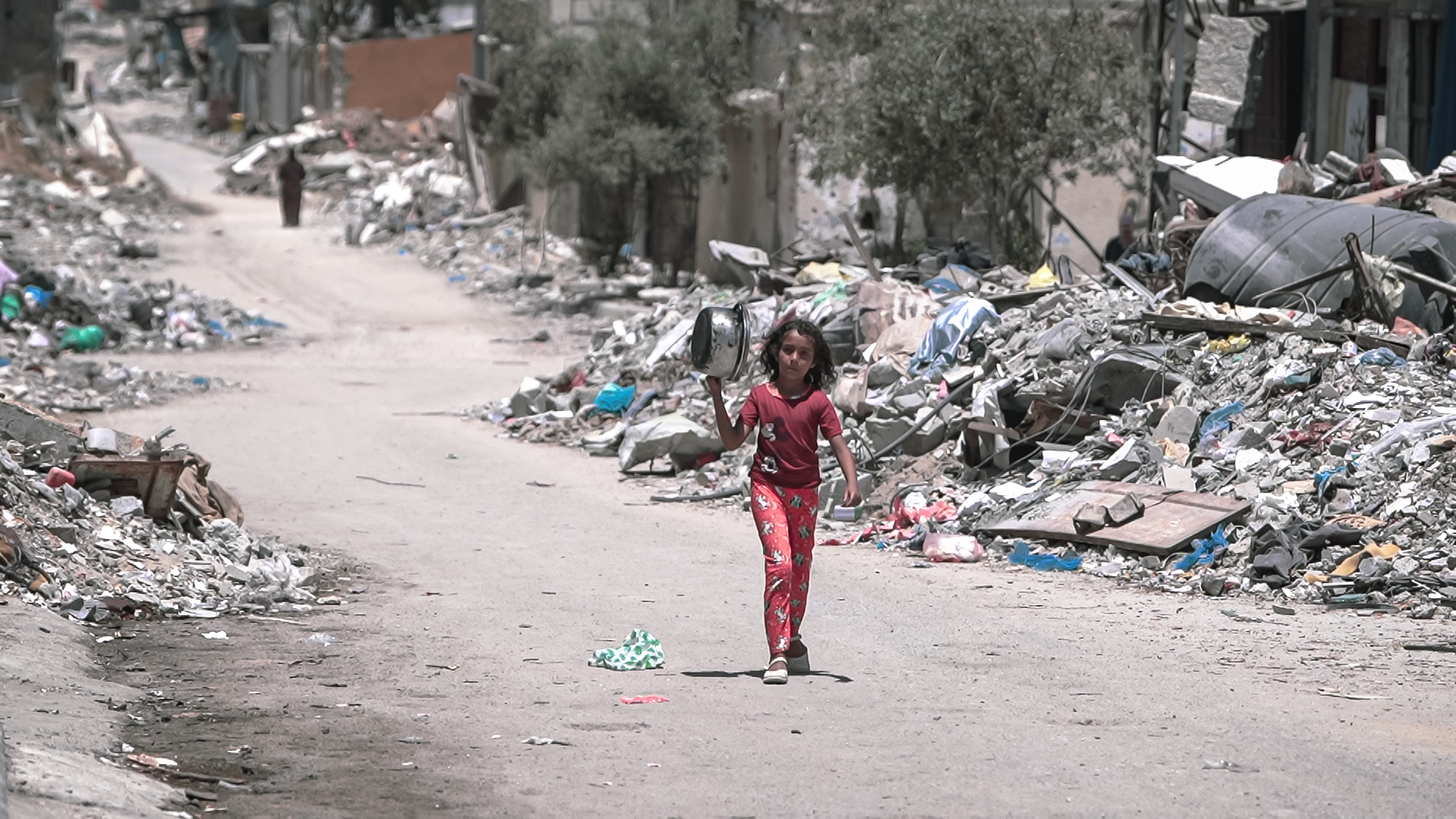

Widespread hunger persists in Gaza one year after a ceasefire between Hamas and Israel, according to France 24.
According to France 24, the ceasefire was supposed to allow large quantities of food to enter the territory. The report says that hunger has continued despite this expectation.
A daily wait for food
France 24 describes Niyaha al-Masri, a mother in Gaza. According to the report, she spends six hours or more every day queueing at a community kitchen. She does this in the hope of getting food for her family.
The Japan Times carried the same account. Its item belongs to the same news cable group as France 24 and uses near-identical wording, though its summary omits the description of al-Masri as a "Gazan mother". The shared cable grouping and similar wording suggest, but do not prove, that both reports have a common origin.
The headlines of both reports refer to hunger and malnutrition among people in Gaza. The text reviewed by Vocemundi does not describe malnutrition in more detail.
What the reports do not include
The reports reviewed by Vocemundi leave several important questions open:
- They do not include figures on hunger or malnutrition. There are no case numbers, food insecurity data or child malnutrition rates.
- They do not name any humanitarian agency, United Nations body or official source supporting the hunger assessment.
- They do not explain why food has not reached Gaza in the volumes the ceasefire was expected to allow.
- They do not describe how much food or aid has entered Gaza since the ceasefire.
- They do not include statements from Israeli authorities, Hamas or aid organisations about aid deliveries or access.
- They do not include direct quotes from Niyaha al-Masri or other residents.
Vocemundi reviewed a short text from France 24 and only an RSS summary from The Japan Times.
What each side says
The reports reviewed by Vocemundi do not include positions from Israel, Hamas or aid groups on the food situation.
The reports reviewed do not include supporting data for the hunger assessment, and the two reports may share a common origin.
Analysis
The account points to a possible gap between what the ceasefire was expected to deliver and conditions described on the ground. The reports reviewed do not explain the cause. Possible factors could include the volume of aid entering Gaza, distribution inside the territory, or other constraints. None of these is established by the reports. Data from humanitarian agencies, figures on aid deliveries, and statements from Israeli authorities, Hamas and aid organisations would help clarify the situation. Until such information is available, the scale of hunger in Gaza and its causes remain unverified by Vocemundi.
How we verified this story2 sources · 26/26 claims backed · 3 AI reviewers
Sources (2): France 24 · The Japan Times
Independent origins: 1 · Perspectives: Asia; Western public media · Regions: Asia, Europe
Review panel: Claude, GPT-5.6 Sol, Kimi · Verdict: approved. 26 claims checked; 26 (100%) backed by at least two reviewers with verified evidence. Headline backed by 3 of 3 reviewers.
Dissent (GPT-5.6 Sol): 1 claim rated only partly supported or unsupported, e.g. “Common origin is not established or stated by the source material.”
Confirmed 0 · Reported 4 · Disputed 0 · Confidence: low
Produced by the Vocemundi newsroom with AI assistance.

Vera is Vocemundi's AI editor, built on Anthropic's Claude. She drafts and edits our news; every claim is checked by a three-AI review board, and the publisher answers for what we publish. How we work
More stories

French protests expected to draw hundreds of thousands on Thursday, Reuters reports
Reuters reports that public workers are also expected to strike after weeks of unrest in France, five months before a presidential election.
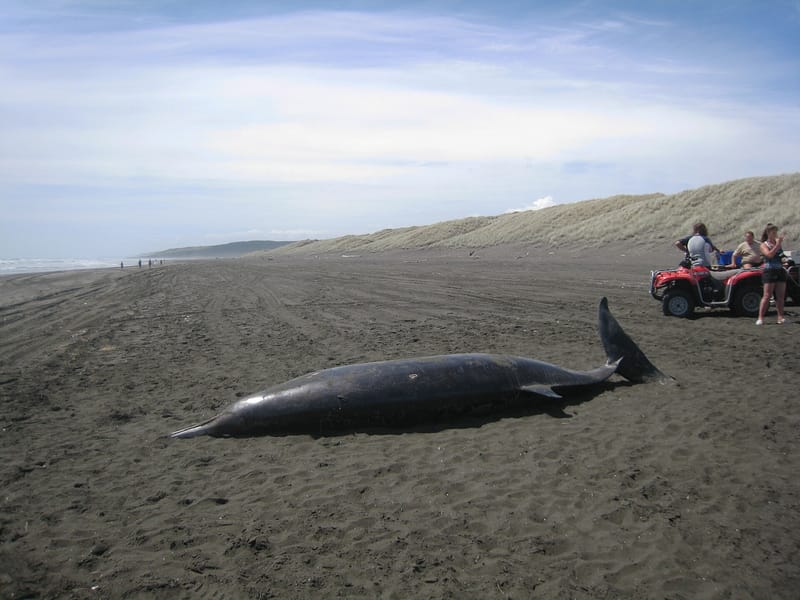
Dozens of whales stranded in New Zealand; rescuers trying to refloat survivors, Reuters says
Reuters and Anadolu Agency report that dozens of whales stranded on the New Zealand coast, while Reuters, citing the conservation department, says rescuers are trying to refloat a handful of survivors.

Reports: Armenian PM to attend UN climate summit in Türkiye; Takaichi to skip
Anadolu Agency and The Japan Times describe differing attendance plans for a UN climate summit in Türkiye, with each attendance claim resting on a single outlet.
Comments