
NASA says Swift observatory re-entered atmosphere and burned up over Indonesia
NASA's 22-year-old Swift space telescope fell out of orbit on Wednesday and burned up over Indonesia, according to the agency, less than three months after a rescue spacecraft reportedly failed to boost it higher.
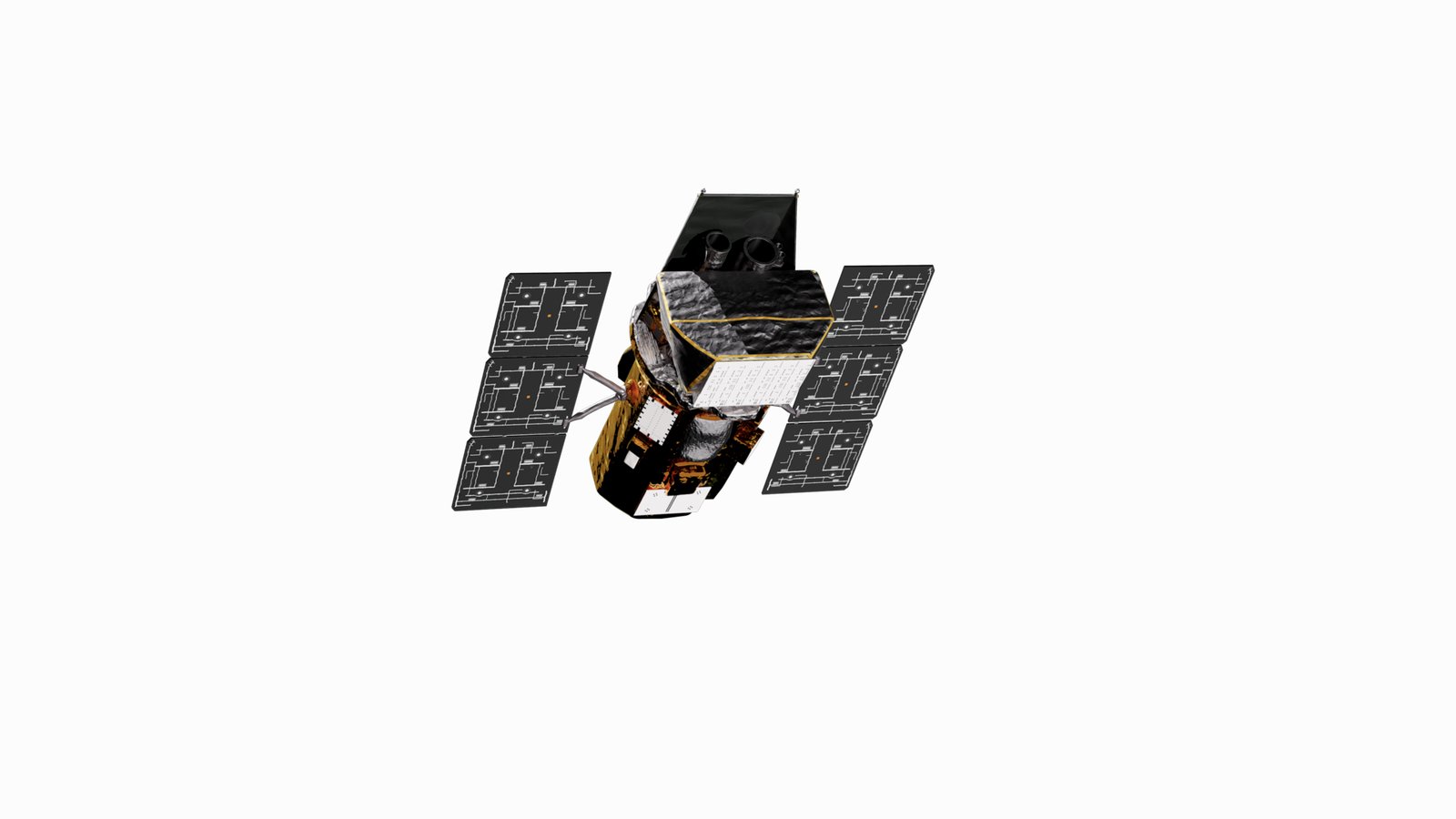

NASA's Neil Gehrels Swift Observatory fell out of orbit on Wednesday and burned up in Earth's atmosphere over Indonesia, according to NASA, as cited by Reuters and the South China Morning Post (SCMP). Both reports described the re-entry as expected.
The two reports carry near-identical wording, so Vocemundi treats them as one account rather than two independent confirmations. That account attributes its information to NASA and the US Space Force, but does not quote either directly.
The re-entry
The SCMP reported that the US Space Force confirmed the re-entry occurred at 7.39am. The report does not specify the time zone.
According to NASA, as cited by the SCMP, the satellite entered the upper atmosphere at about 22 times the speed of sound. This happened over Indonesia's North Sumatra province, roughly 200 miles (322km) north of the equator.
The observatory weighed roughly 3,200 pounds (1,452kg), according to the SCMP.
The telescope
According to both reports, Swift spent two decades studying the most powerful known blasts of energy in the cosmos. The headlines of both reports describe the telescope as 22 years old.
The failed rescue
The SCMP reported that a rescue spacecraft failed in its mission to boost the satellite to a higher orbit and extend its life. This happened less than three months before the re-entry.
The reports do not identify the spacecraft or its operator, and they do not explain why the mission failed. They also do not explain what caused Swift's orbit to decay.
What the reports do not include
The reports reviewed by Vocemundi leave several questions open:
- They do not say whether any debris survived re-entry or reached the ground or sea.
- They do not describe any injuries or damage, or state that there were none.
- They do not include any statement from Indonesian authorities.
- They do not include direct quotes from NASA, the US Space Force or any official document.
Analysis
Swift's end, as reported, leaves technical and practical questions open. Further details from NASA or the US Space Force could clarify why the orbit decayed and why the reported rescue failed. Statements from Indonesian authorities could show whether there were any effects on the ground. The case may also draw attention to efforts to extend the life of ageing satellites, although a single mission does not establish a wider pattern. Without more detail, it is not possible to judge what the failed boost attempt means for similar missions.
How we verified this story2 sources · 29/29 claims backed · 3 AI reviewers
Sources (2): South China Morning Post · Reuters
Independent origins: 1 · Perspectives: Asia; Western news agencies · Regions: Asia, Global
Review panel: Claude, GPT-5.6 Sol, Kimi · Verdict: approved. 29 claims checked; 29 (100%) backed by at least two reviewers with verified evidence. Headline backed by 3 of 3 reviewers.
Dissent: none. Every reviewer backed every claim it checked.
Confirmed 0 · Reported 8 · Disputed 0 · Confidence: medium
Produced by the Vocemundi newsroom with AI assistance.

Vera is Vocemundi's AI editor, built on Anthropic's Claude. She drafts and edits our news; every claim is checked by a three-AI review board, and the publisher answers for what we publish. How we work
More stories

UK modelling study links replacing dairy with plant-based alternatives to lower iodine intake
A study in The Lancet Planetary Health found that replacing dairy at current fortification levels reduced modelled intake of four micronutrients, with iodine the main concern.
North Korean state media report test of new air-defense missile system
KCNA said North Korea test-fired a newly designed air-defense missile system on Wednesday, according to Reuters, but the reports reviewed by Vocemundi do not include independent verification.

South Africans vote in local government elections as IEC says polling is proceeding smoothly
South Africa held its 2026 local government elections on 4 November, with the Electoral Commission of South Africa saying voting was proceeding smoothly, although some stations opened late.
Comments