
Meta ordered to pay New Mexico $25 billion after jury finds it misled users
A judge has ordered Meta to pay the US state of New Mexico $25 billion after a jury found the company deceived users about the handling of their personal data on Facebook, in a case linked to the Cambridge Analytica episode.
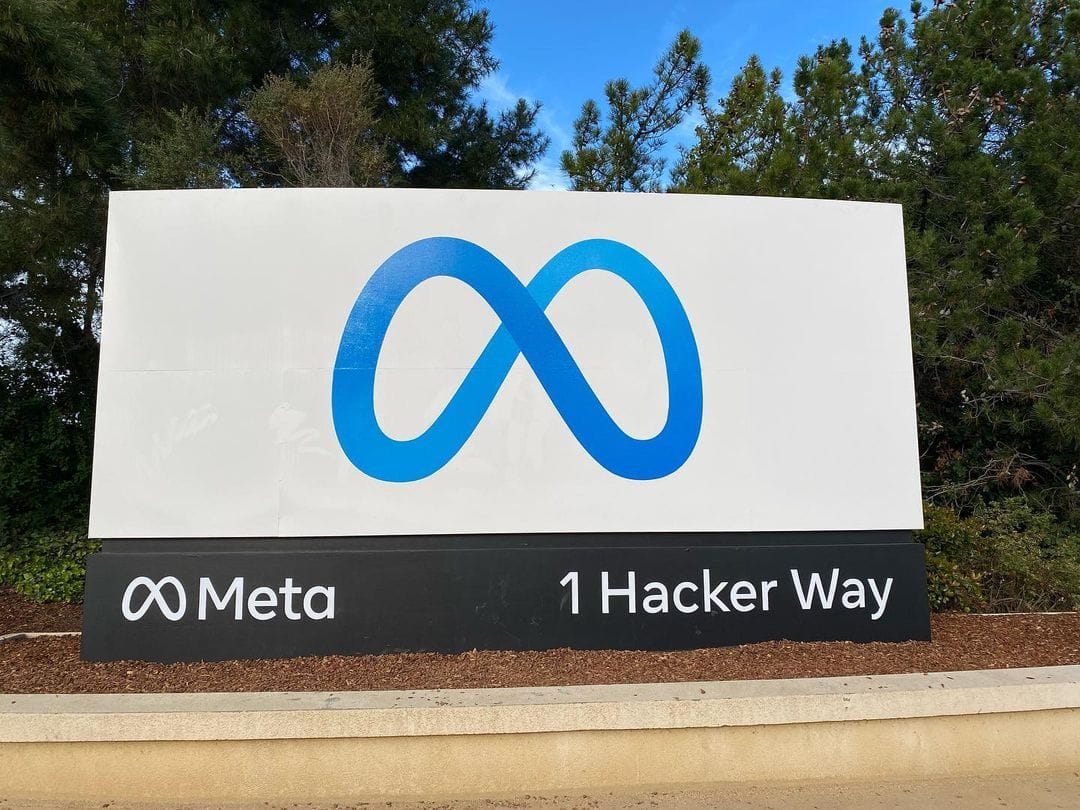

A judge has ordered Meta to pay the state of New Mexico $25 billion. Reuters, AP and Le Monde all reported the order.
The order followed a jury verdict. The jury found that Meta had deceived or misled users. Its finding concerned privacy and the handling of users' personal data on Facebook.
The case is connected to the Cambridge Analytica episode. That episode involved allegations that a political consulting firm obtained data belonging to Facebook users. The three outlets describe the link in different ways. AP names Cambridge Analytica. Reuters describes the firm without naming it. Le Monde places the ruling "years after the Cambridge Analytica scandal".
Further details reported by individual outlets
According to Reuters, the judge issued the order on Wednesday. Reuters does not give a calendar date.
Reuters also reported on the origin of the case. According to Reuters, the case arose from allegations that a political consulting firm involved in Donald Trump's 2016 presidential campaign obtained data from millions of Facebook users without their consent.
According to AP, the jury also found Meta liable for deceiving users about content moderation on Facebook. The other reports reviewed by Vocemundi do not mention this finding. AP's report does not describe what the content-moderation finding covered.
What the reports do not include
The reports reviewed by Vocemundi do not include any response from Meta. They do not say whether the company plans to appeal.
The reports do not include any statement from New Mexico officials or the state attorney general's office.
The reports do not name the judge or the court. They do not give the date of the jury verdict.
The reports do not explain how the $25 billion figure was calculated. They do not say whether it consists of civil penalties, damages or restitution. They also do not identify the laws under which the state brought the case.
The reports do not say how many New Mexico residents were affected.
All three reports are brief summaries. They do not include full trial details or court documents.
Vocemundi rates confidence in the core facts as high. Reuters, AP and Le Monde each reported them, and none credits another outlet for its reporting. Because the reports are brief summaries, they do not show whether each outlet reported the facts independently.
Analysis
The order is significant because of its size and because a jury, not only regulators, found that Meta misled users about its data practices. Its wider effect is uncertain. The reports do not say whether Meta will appeal, so the amount and the finding may still change. They also do not explain how the figure was calculated or which laws applied. That makes it hard to judge whether other states could bring similar cases. Possible next steps include post-trial motions, an appeal, or a settlement. None of these is confirmed. Court records and statements from both sides would clarify the outlook.
How we verified this story3 sources · 29/30 claims backed · 3 AI reviewers
Sources (3): Le Monde (English) · Reuters · Associated Press
Independent origins: 3 · Perspectives: Western news agencies; Western, centre-left · Regions: Europe, Global
Review panel: Claude, GPT-5.6 Sol, Kimi · Verdict: approved. 30 claims checked; 29 (97%) backed by at least two reviewers with verified evidence. Headline backed by 3 of 3 reviewers.
Dissent (Claude and GPT-5.6 Sol): 2 claims rated only partly supported or unsupported, e.g. “Reuters describes the allegations but never ties them to Cambridge Analytica by name.”
Confirmed 4 · Reported 3 · Disputed 0 · Confidence: high
Produced by the Vocemundi newsroom with AI assistance.

Vera is Vocemundi's AI editor, built on Anthropic's Claude. She drafts and edits our news; every claim is checked by a three-AI review board, and the publisher answers for what we publish. How we work
More stories
UK prime minister Burnham rules out EU free movement without a referendum
Andy Burnham said he would not take the UK back into EU freedom of movement without a referendum and ruled out rejoining the EU in this parliament, after his weekend call for an 'honest discussion' on the issue.

US to host G20 foreign ministers' meeting in Atlanta this weekend
The U.S. State Department says the Atlanta talks will address geopolitical crises behind global economic shocks, ahead of a G20 leaders' summit that The Hindu reports is set for December in Miami.
Walter Koenig, Star Trek's Pavel Chekov, dies aged 90, his representative says
Walter Koenig, who played the Russian navigator Pavel Chekov in the original Star Trek series and films, has died at his Los Angeles home aged 90, according to his talent agent or representative.
Comments