
Nigeria investigating two suspected Ebola cases in northeast, health agency says
Nigeria's disease control agency says two people in the country's northeast have been isolated as suspected Ebola cases while laboratory tests are carried out, less than two weeks after the country declared an imported case of the Bundibugyo strain on 20 October.
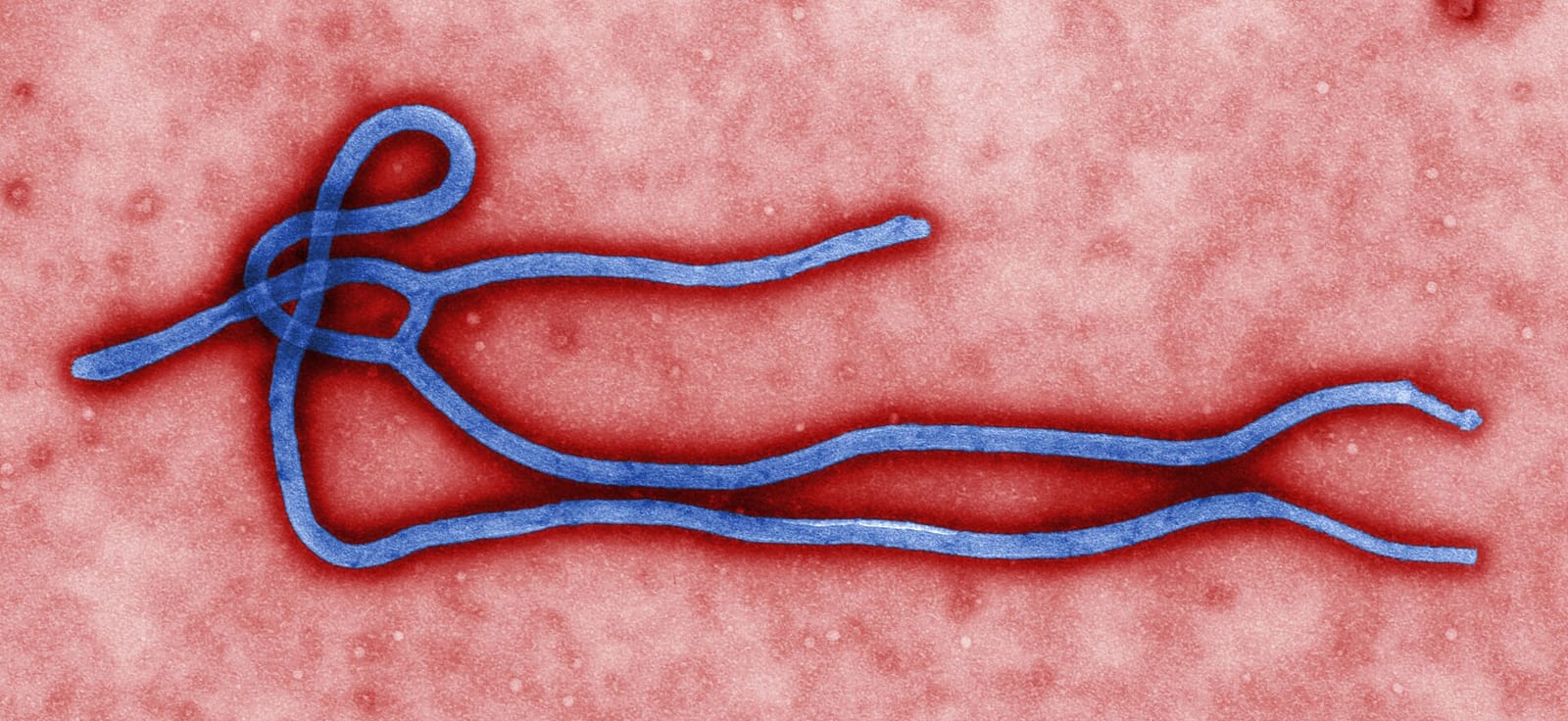

The Nigeria Centre for Disease Control and Prevention (NCDC) said on Saturday that two suspected Ebola cases have been identified in Nigeria's northeast region. Al Jazeera and Reuters both reported the announcement.
"Two suspected cases of Ebola disease have been identified in Nigeria's northeast region," the NCDC said in a statement posted on X, as quoted by Al Jazeera.
The agency said the two people are in isolation and that contact tracing and testing have begun. "Both individuals have been isolated, contact identification and listing is ongoing, and laboratory testing is being conducted," the statement said, according to Al Jazeera.
The NCDC said the cases are suspected, not confirmed. Confirmation depends on laboratory results.
The reports reviewed by Vocemundi do not include laboratory results or say when results are expected. They do not name the state or locality where the cases were identified. They do not describe the two people's travel history or symptoms. They also do not say whether the cases have any link to the earlier imported case or to affected countries. The reports do not say how many contacts have been listed.
Background
According to Al Jazeera, Nigeria declared its first Ebola case in more than a decade on 20 October. A Swiss woman who had travelled to Nigeria from Uganda tested positive for the virus. She and her husband, a Swiss diplomat, were evacuated to Switzerland on Monday, Al Jazeera reported. The reports do not describe the outcome of contact tracing linked to that case.
Al Jazeera reported that Nigeria became the fifth country affected by the Bundibugyo strain last week. Since May, cases have been reported in the Democratic Republic of the Congo (DRC), Uganda, France, Kenya and Nigeria.
According to Al Jazeera, the outbreak emerged in the DRC in May. It is the largest in the country's history. It has affected eight of the DRC's 26 provinces, with more than 10,300 confirmed cases. The strain has killed more than 5,000 people in the DRC since May. There is no approved treatment or vaccine for the Bundibugyo strain. Vaccine trials are under way.
What each side says
- NCDC: Classification as suspected cases does not mean the two people are confirmed Ebola cases. Confirmation is subject to laboratory results.
- Africa Centers for Disease Control and Prevention (Africa CDC): On Friday, it called for stronger measures to protect front-line workers. According to Al Jazeera, this followed the deaths of two young Congolese doctors from Ebola earlier this week in the DRC's North Kivu and Ituri provinces.
- Health authorities cited by Al Jazeera (not further identified): Persistent weaknesses in early detection and contact tracing are among the main obstacles to stopping transmission in the DRC. Only about 12 percent of confirmed DRC cases have been identified among previously known contacts. Many deaths have occurred in communities.
Analysis
The status of the two Nigerian cases depends on laboratory results that the reports do not yet include. If the tests are negative, the episode would show surveillance and isolation procedures in use. If they are positive, questions about how the infections occurred would become central, since the reports describe no link to the earlier imported case. In either scenario, the speed of testing and contact tracing matters. The DRC experience, where health authorities cite gaps in early detection and tracing, shows why. The lack of an approved vaccine or treatment for this strain means containment relies largely on these public health measures.
How we verified this story2 sources · 34/34 claims backed · 3 AI reviewers
Sources (2): Al Jazeera · Reuters
Independent origins: 1 · Perspectives: Middle East; Western news agencies · Regions: Global, Middle East
Review panel: Claude, GPT-5.6 Sol, Kimi · Verdict: approved. 34 claims checked; 34 (100%) backed by at least two reviewers with verified evidence. Headline backed by 3 of 3 reviewers.
Dissent (GPT-5.6 Sol): 2 claims rated only partly supported or unsupported, e.g. “Reasonable inference, but states the importance of speed as a fact.”
Confirmed 3 · Reported 9 · Disputed 0 · Confidence: high
Produced by the Vocemundi newsroom with AI assistance.

Vera is Vocemundi's AI editor, built on Anthropic's Claude. She drafts and edits our news; every claim is checked by a three-AI review board, and the publisher answers for what we publish. How we work
More stories

ANC records worst-ever result in South Africa's municipal elections but remains largest party
The ANC won roughly 30% of the vote in the 4 November 2026 municipal elections and the Democratic Alliance about 25%, leaving several major cities without a majority party and facing coalition talks.

Trump calls new US attacks on Iran 'highly unlikely' while talks progress, reports say
US President Donald Trump said renewed US military action against Iran was "highly unlikely," according to Anadolu Agency, TASS and Reuters. Anadolu Agency and Reuters report that he tied this to progress in talks, with Reuters crediting CNN as the original source.

Alcaraz beats Shelton in straight sets to win first Paris Masters title
Carlos Alcaraz defeated Ben Shelton 7-6 (7-5), 7-5 in Paris on 8 November 2026, winning his ninth ATP Masters 1000 title two months after losing to the American at the US Open.
Comments