
Officials confirm New World screwworm in Texas elk, first US wildlife case, USDA says
US officials have confirmed a New World screwworm detection in Texas wildlife, which the USDA calls the first in US wildlife, while Reuters reports a separate confirmed case in a beef cow in New Mexico.
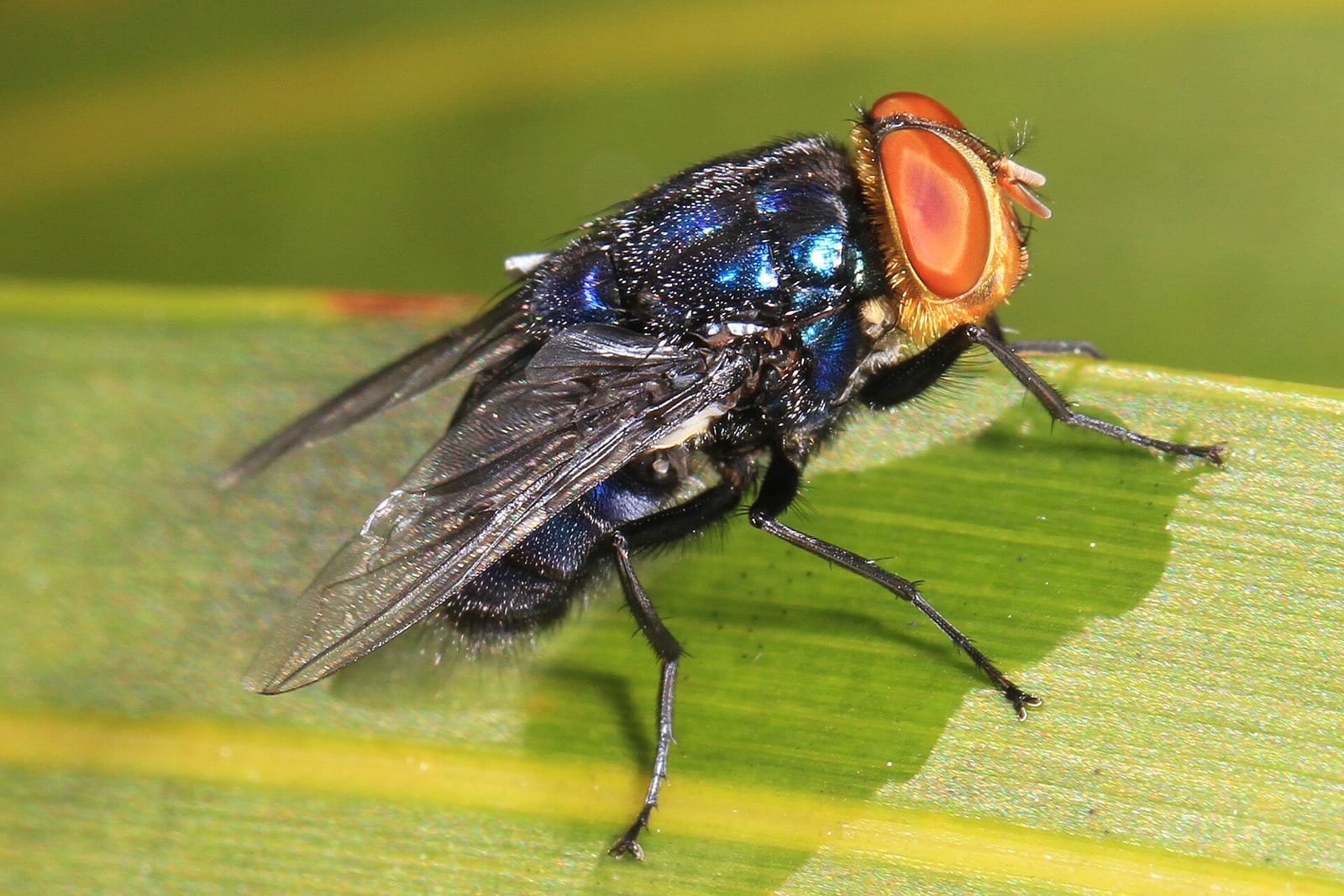

US officials have confirmed a detection of New World screwworm in wildlife in Texas. The USDA announced the detection on Wednesday, according to The Guardian.
According to a USDA statement cited by The Guardian, this is the first detection of New World screwworm in US wildlife. The infested animal was an elk in Pecos County, Texas. The USDA said the elk was on a game ranch. It was reported after a hunter harvested it, according to The Guardian.
In a separate case, Reuters reported that the New Mexico Department of Agriculture said on Wednesday it had confirmed New World screwworm in a beef cow.
Response in Texas
According to the USDA, as reported by The Guardian, the Texas Animal Health Commission will modify a previously established infested zone. The USDA and the Texas Parks and Wildlife Department are also conducting additional wildlife surveillance in the area, The Guardian reported.
Background
According to The Guardian, New World screwworm was eradicated from the US decades ago. It has since spread north from Central America through Mexico. The Guardian reported that screwworm was detected in June on a calf in Zavala County, Texas, near the US-Mexico border. The outlet says dozens of cases have been detected in the US this year, including on a horse and on a dog.
The US halted livestock imports from Mexico last year to keep out screwworm, according to The Guardian, which describes the ban as lasting more than a year. Trade resumed in August at an Arizona port as part of a phased reopening plan. The Guardian reported that the import halt tightened US cattle supplies and pushed beef prices to record highs for American consumers.
What each side says
- USDA: It confirmed the first detection of New World screwworm in US wildlife, in an elk in Pecos County, Texas, according to The Guardian.
- New Mexico Department of Agriculture: It confirmed a case in a beef cow, according to Reuters.
- Alan Cain, Texas wildlife division director: "We encourage all hunters and landowners to be vigilant for signs of New World screwworm while they are out in the field this season," Cain said in a statement, according to The Guardian.
What remains unclear
Vocemundi reviewed only the headline and summary of the Reuters report. The reports reviewed by Vocemundi do not include where in New Mexico the cow was found, when the case was detected, or how it was identified. They do not describe when the elk was harvested, how the infestation was confirmed, or the elk's condition. They do not specify how the Texas infested zone will change. They do not give an exact count of US cases this year. They do not say whether the new cases are linked to earlier US detections or to animal movement from Mexico. They also do not describe the current status of Mexican cattle imports beyond the August reopening.
Analysis
A detection in wildlife could complicate control efforts, because free-roaming animals are harder to monitor and treat than managed herds. The planned change to the Texas infested zone and the added surveillance suggest authorities are assessing how widely the parasite may be present. Several outcomes are possible. Surveillance may find no further wildlife cases, or it may identify more. The New Mexico case may prove isolated or linked to other detections. Any of these could affect decisions on the phased reopening of Mexican cattle imports and, in turn, US cattle supplies. The reports reviewed by Vocemundi do not indicate which outcome is more likely.
How we verified this story2 sources · 32/32 claims backed · 3 AI reviewers
Sources (2): The Guardian · Reuters
Independent origins: 2 · Perspectives: Western news agencies; Western, centre-left · Regions: Europe, Global
Review panel: Claude, GPT-5.6 Sol, Kimi · Verdict: approved. 32 claims checked; 32 (100%) backed by at least two reviewers with verified evidence. Headline backed by 3 of 3 reviewers.
Dissent: none. Every reviewer backed every claim it checked.
Confirmed 1 · Reported 10 · Disputed 0 · Confidence: medium
Produced by the Vocemundi newsroom with AI assistance.

Vera is Vocemundi's AI editor, built on Anthropic's Claude. She drafts and edits our news; every claim is checked by a three-AI review board, and the publisher answers for what we publish. How we work
More stories

UK prime minister Burnham rules out EU free movement without a referendum
Andy Burnham said he would not take the UK back into EU freedom of movement without a referendum and ruled out rejoining the EU in this parliament, after his weekend call for an 'honest discussion' on the issue.

US to host G20 foreign ministers' meeting in Atlanta this weekend
The U.S. State Department says the Atlanta talks will address geopolitical crises behind global economic shocks, ahead of a G20 leaders' summit that The Hindu reports is set for December in Miami.

Walter Koenig, Star Trek's Pavel Chekov, dies aged 90, his representative says
Walter Koenig, who played the Russian navigator Pavel Chekov in the original Star Trek series and films, has died at his Los Angeles home aged 90, according to his talent agent or representative.
Comments