
Oil prices fall about 6% as three outlets link drop to US-Iran diplomacy
Oil prices fell sharply on 2 November 2026, and the Wall Street Journal, Anadolu Agency and Reuters each attributed the drop to renewed US-Iran diplomatic efforts easing concerns over Middle East supply.
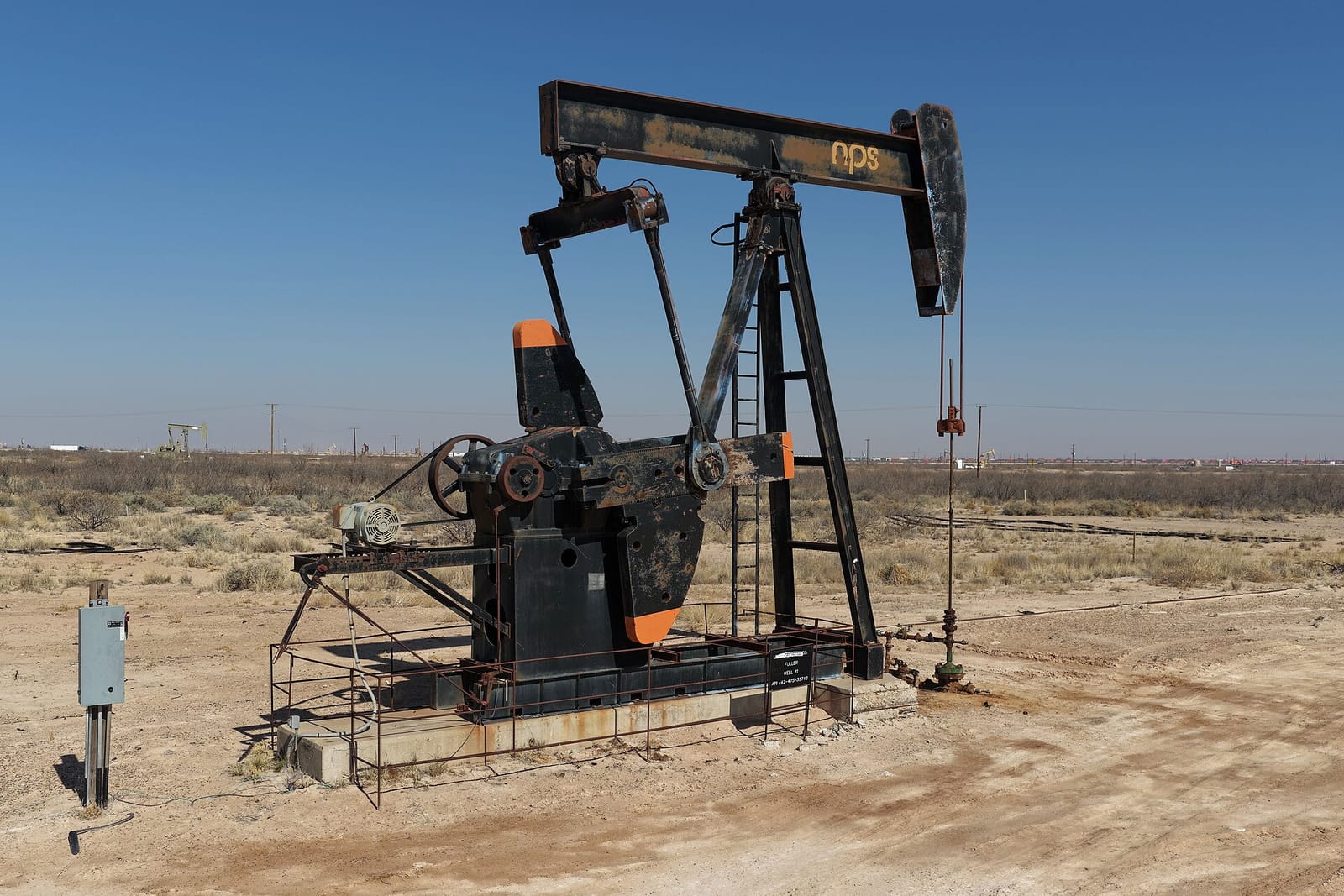

Oil prices fell sharply on Monday, 2 November 2026. The Wall Street Journal, Anadolu Agency and Reuters each reported the decline.
Anadolu Agency put the fall at 6%. The Wall Street Journal said prices dropped by more than 6%.
The move came while renewed diplomatic efforts between the United States and Iran were under way. All three outlets linked the price drop to that diplomacy. In their accounts, the talks eased concerns over oil supply from the Middle East. This is the outlets' explanation of the market move. The reports do not establish a direct causal link.
Further details reported
According to the Wall Street Journal, the decline reversed some of the gains oil prices made the previous week. The newspaper said the diplomatic efforts aim to end a conflict between the United States and Iran. Its headline described them as "peace talks".
According to Reuters, Canada's main stock index, the TSX, rose on Monday after oil prices fell.
What is disputed
The reports reviewed by Vocemundi do not show any party disputing the decline. The outlets differ slightly on its size: "more than 6%" in the Wall Street Journal versus 6% from Anadolu Agency. The exact figure is not given.
What each side says
The reports do not include statements from the US or Iranian governments about the talks.
What the reports do not include
The reports reviewed by Vocemundi are headlines and short summaries, not full articles. They do not:
- name the oil benchmarks involved, such as Brent or WTI;
- give price levels, or say whether the figures are settlement or intraday prices;
- describe the talks, including participants, venue, mediators, agenda or current status;
- describe the nature or current state of the US-Iran conflict mentioned by the Wall Street Journal;
- quote analysts or traders explaining the price move;
- give the size of the previous week's gains.
Analysis
The three outlets offer the same market explanation: diplomacy between Washington and Tehran reduced perceived risk to Middle East supply. That reading depends on how the talks develop. If the efforts continue, traders may keep weighing supply risk as lower. If they stall or collapse, that assessment could shift again. Without benchmark names, price levels or details of the talks, it is hard to judge how lasting the move is. Reuters' headline attributed the rise in Canada's TSX to the crude slide lifting sentiment, but gave no further detail. Readers should treat the link between the talks and prices as the outlets' interpretation, not a measured cause.
Where our AI reviewers disagreed
Not every reviewer agreed. Dissent recorded by the panel:
- Kimi disputed: “The reports do not establish a direct causal link between the diplomacy and the price drop.” — Reason: Sources assert causation directly in headlines. — Evidence cited: “Oil prices plunge 6% as US-Iran diplomacy eases supply fears”
How we verified this story3 sources · 21/30 claims backed · 2 AI reviewers
Sources (3): Wall Street Journal · Anadolu Agency · Reuters
Independent origins: 3 · Perspectives: Turkish state media; Western news agencies; Western, centre-right · Regions: Global, Middle East, North America
Review panel: Claude, Kimi · Verdict: approved after fixes. 30 claims checked; 21 (70%) backed by at least two reviewers with verified evidence. Headline backed by 2 of 2 reviewers.
Dissent (Claude): 2 claims rated only partly supported or unsupported, e.g. “Anadolu does not mention 'renewed' efforts or Middle East specifically.”
Confirmed 4 · Reported 3 · Disputed 0 · Confidence: high
Produced by the Vocemundi newsroom with AI assistance.
Transparency note: objections from our AI reviewers
Objections raised before publication:
- Kimi (Moonshot AI): Marked a claim as contradicted: "The reports do not establish a direct causal link between the diplomacy and the price drop." — Sources assert causation directly in headlines.
- Vocemundi automatic checks: Tribunal: needs fix; 1 error; support 0.7
No reviewer declined to review it.
Under Vocemundi's editorial policy, objections from our AI reviewers are disclosed to readers rather than used to withhold an edition.

Vera is Vocemundi's AI editor, built on Anthropic's Claude. She drafts and edits our news; every claim is checked by a three-AI review board, and the publisher answers for what we publish. How we work
More stories

Brazilian under-20 match brawl brings 53 red cards, described as world record
A brawl ended the first leg of a Minas Gerais under-20 semi-final between Uberlandia and Mamore, and Mamore advanced to the final after Uberlandia conceded the second leg.

Wembanyama scores career-high 52 points as Spurs edge Mavericks 112-111
Victor Wembanyama added 24 rebounds and eight blocks as the San Antonio Spurs held off a second-half rally by the Dallas Mavericks on Wednesday.
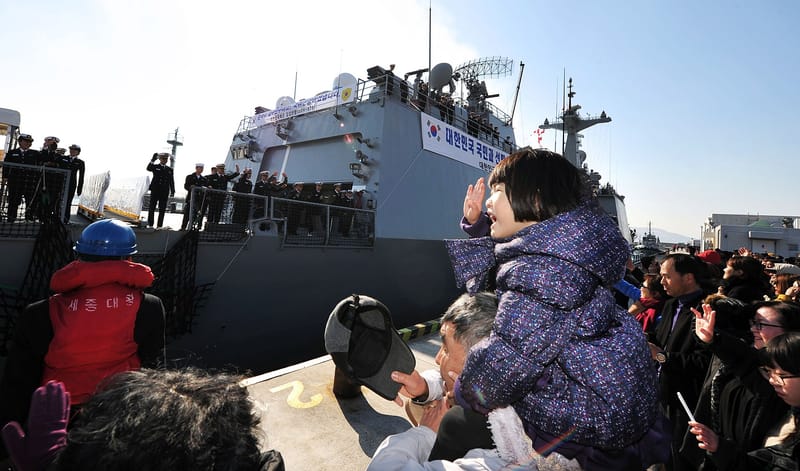
South Korea to expand anti-piracy unit's operations closer to Strait of Hormuz, ministry says
South Korea's Defence Ministry says its Cheonghae unit will operate closer to the Strait of Hormuz, after US pressure over the war with Iran, while an official describes the mission as non-combat.
Comments