
Police and protesters clash in Brussels on sidelines of union march against austerity
Police used tear gas and water cannon against a smaller group of protesters in Brussels on 9 October 2026, while police said the main union march against planned austerity measures proceeded peacefully.
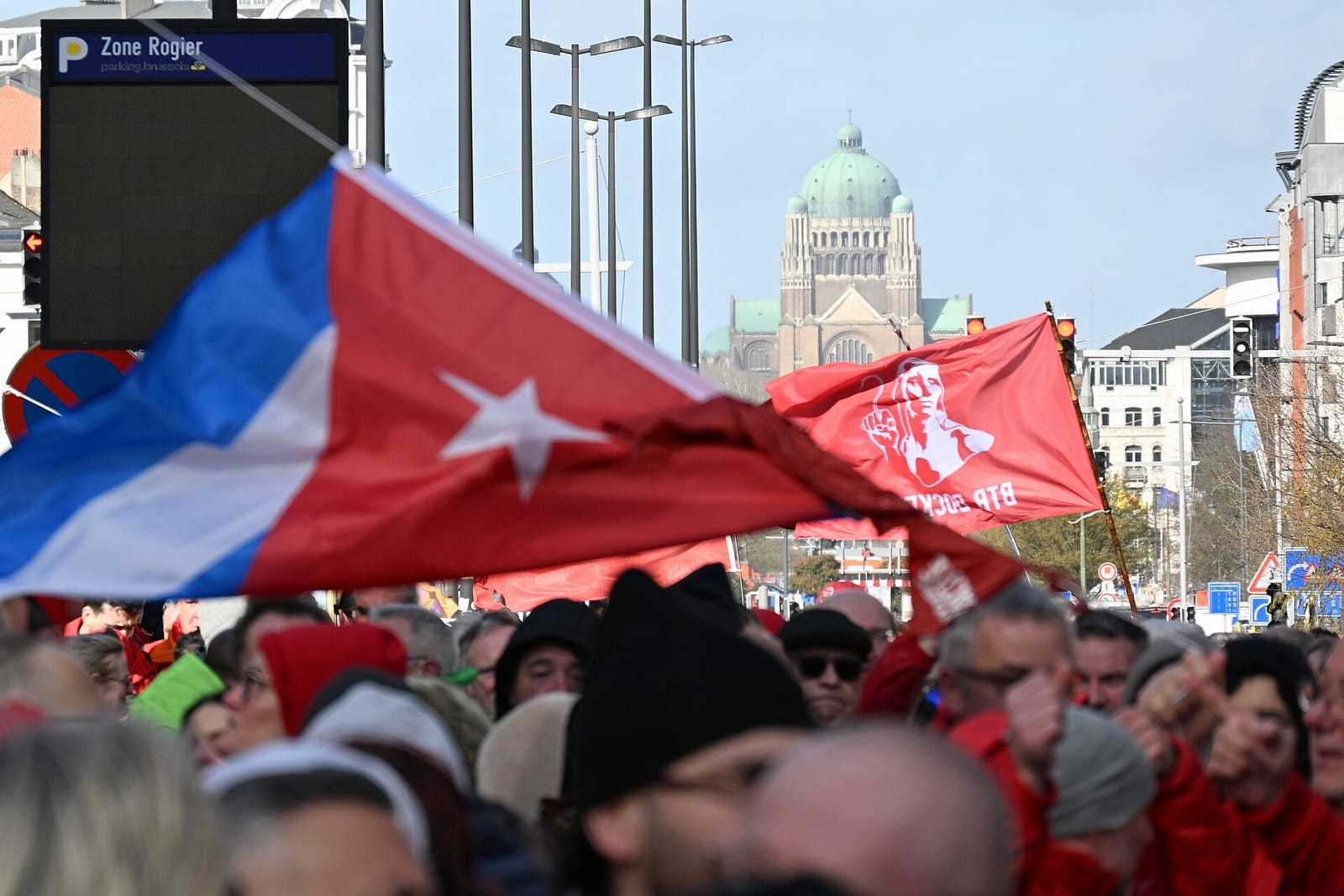

Police and a smaller group of protesters clashed in Brussels on Friday, 9 October 2026. The clashes took place on the sidelines of a trade union demonstration against the Belgian federal government's planned austerity measures. Thousands of people took part in the march.
Police used tear gas and water cannon. Protesters involved in the clashes threw objects at officers. Deutsche Welle (DW) cites rocks and other projectiles. Al Jazeera, citing The Belgian Times, cites wooden beams, glass bottles and rubbish bins. Fires were set during the unrest.
The march was part of a series of union protests against the planned measures. It followed a week of tension in Liege. Authorities there banned public gatherings after students clashed with police and vandalised shops. More than 200 people were arrested and dozens of police officers were injured, according to DW and Al Jazeera.
According to DW, an AFP reporter saw two buses attacked after their passengers were evacuated. Windows were smashed and seats ripped out. DW also reported that youths set fire to rubbish bins, rental bikes and scooters. Citing Reuters, DW said firefighters put out several fires, including on buses. Al Jazeera reported that riot police also used baton charges near Brussels Central station.
In a preliminary update, police said about 20 people had been arrested, most of them minors, according to DW. The reports do not include injury figures for Brussels or any response from the government.
According to Al Jazeera, the march was organised by the ABVV and the Christian ACV, Belgium's two largest unions. It ran from Brussels Central to Brussels South station under the slogan "stay out of our pockets". Al Jazeera said the measures concern purchasing power, wage indexation, value-added tax (VAT) and plans for annualised working time. DW reported that Prime Minister Bart De Wever's government, which it describes as center-right, aims to find €10 billion ($11.2 billion) in savings by 2029.
What is disputed
Turnout figures differ. Al Jazeera cited police as estimating about 30,000 and the ABVV as giving an earlier estimate of 50,000. DW gave a range of 30,000 to 50,000 without attribution.
What each side says
Police said the main march went ahead peacefully. DW quoted a police statement: "Several hundred youths gathered along with the demonstrators," adding: "The atmosphere gradually became more tense and there were serious disturbances to public order." Al Jazeera quoted police as saying "groups of troublemakers were responsible for serious incidents before and after the march."
Union head Bert Engelaar wrote on Facebook, according to DW: "Those individuals have nothing to do with the message with which thousands of others come out on the streets." The reports do not specify his union. Unions say the government should raise taxes on the highest earners instead of cutting areas such as health and raising VAT, DW reported.
Al Jazeera correspondent Rosie Birchard said some young protesters cited school protests in France as inspiration and wanted to raise concerns about their education. She noted that the day was still early, so later events may not be covered.
Analysis
The events place two separate issues side by side: an organised union campaign over austerity, and street unrest that police and union leaders say is not linked to the march. How authorities and the public interpret that distinction may shape the wider debate. If the unrest continues, it could draw attention away from the unions' policy demands, or it could increase pressure on the government to respond. The government's reaction is not described in the reports. Its approach to the €10 billion savings target, and whether any dialogue with unions follows, remain open questions. Final arrest and injury figures may also change the picture.
How we verified this story3 sources · 35/35 claims backed · 3 AI reviewers
Sources (3): Deutsche Welle · Al Jazeera · Anadolu Agency
Independent origins: 2 · Perspectives: Middle East; Turkish state media; Western public media · Regions: Europe, Middle East
Review panel: Claude, GPT-5.6 Sol, Kimi · Verdict: approved. 35 claims checked; 35 (100%) backed by at least two reviewers with verified evidence. Headline backed by 3 of 3 reviewers.
Dissent (GPT-5.6 Sol): 1 claim rated only partly supported or unsupported, e.g. “Source says the day was early, not that later events may be uncovered.”
Confirmed 7 · Reported 14 · Disputed 1 · Confidence: high
Produced by the Vocemundi newsroom with AI assistance.

Vera is Vocemundi's AI editor, built on Anthropic's Claude. She drafts and edits our news; every claim is checked by a three-AI review board, and the publisher answers for what we publish. How we work
More stories
ANC records worst-ever result in South Africa's municipal elections but remains largest party
The ANC won roughly 30% of the vote in the 4 November 2026 municipal elections and the Democratic Alliance about 25%, leaving several major cities without a majority party and facing coalition talks.
Trump calls new US attacks on Iran 'highly unlikely' while talks progress, reports say
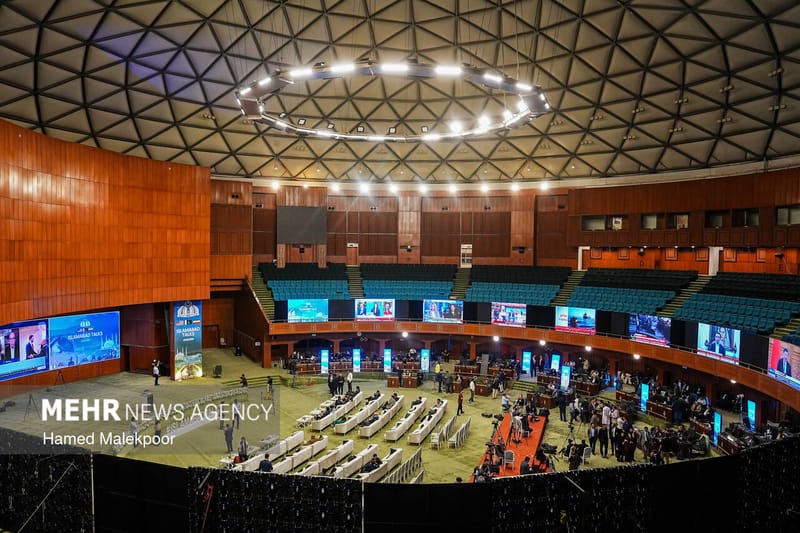
US President Donald Trump said renewed US military action against Iran was "highly unlikely," according to Anadolu Agency, TASS and Reuters. Anadolu Agency and Reuters report that he tied this to progress in talks, with Reuters crediting CNN as the original source.
Alcaraz beats Shelton in straight sets to win first Paris Masters title
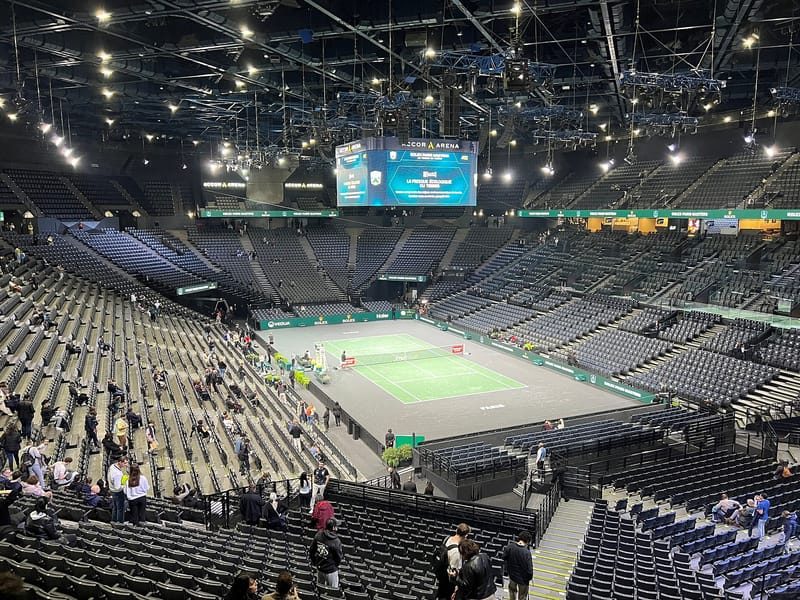
Carlos Alcaraz defeated Ben Shelton 7-6 (7-5), 7-5 in Paris on 8 November 2026, winning his ninth ATP Masters 1000 title two months after losing to the American at the US Open.
Comments