
Russia says it intercepted nearly 900 Ukrainian drones overnight across several regions
Russia's Defence Ministry reported nearly 900 Ukrainian drones downed overnight on 5-6 October 2026, and Moscow's mayor said hundreds were heading towards the capital region; the figures come from Russian officials, and the reports reviewed by Vocemundi do not describe independent verification.
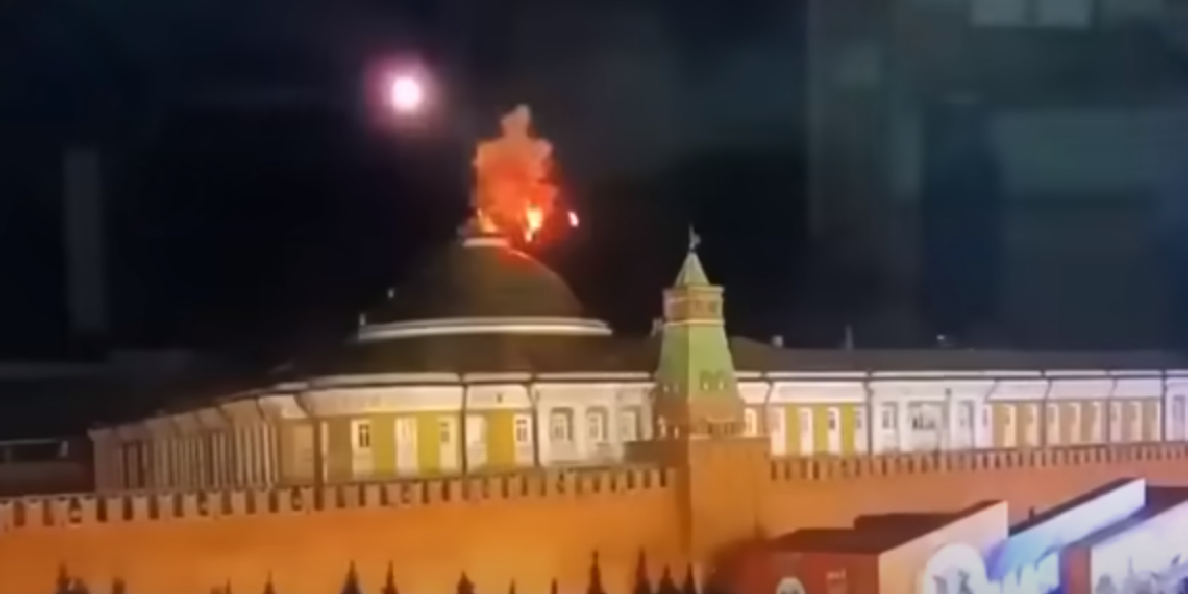

Russia's Defence Ministry said on Tuesday, 6 October 2026, that its air defences had intercepted nearly 900 Ukrainian drones overnight. It said the drones were downed over several Russian regions, the occupied Crimean Peninsula and the Sea of Azov.
France 24 and The Hindu both reported the statement in nearly identical wording, which suggests a shared wire source. The reports reviewed by Vocemundi do not describe any independent verification of the figures.
According to The Hindu, Moscow Mayor Sergei Sobyanin said 650 drones flew towards the Moscow region between Monday evening and Tuesday morning. He said most were destroyed far from the city and 105 were downed as they approached it. He later reported that 68 more drones targeting Moscow were downed during daylight on Tuesday.
The Hindu also reported that unconfirmed media reports said a major fuel depot in the Moscow region was on fire after the attack. In the same sentence, The Hindu said the attack killed two people; it is not clear whether that figure comes from the unconfirmed reports or from The Hindu itself. The Hindu does not name those outlets. The reports do not say where or how the two people died.
France 24 correspondent Gulliver Cragg said that, if the figures are accurate, it would be one of the largest Ukrainian drone strikes on Russia since the start of the war.
Context
According to The Hindu, the Kremlin has banned diesel exports because of Ukrainian strikes on Russian refineries, and the ban pushed global prices higher. The Hindu also reported that U.S. President Donald Trump urged Ukraine last month to stop hitting Russia's refineries.
What each side says
- Russian Defence Ministry: Besides the interception figures, The Hindu reported that the ministry said Russian drones struck targets overnight in Ukraine's Odesa region. It said these included an ammunition depot, a bulk carrier carrying dual-use goods in Chornomorsk port, and port infrastructure in Izmail.
- Ukraine: According to The Hindu, Ukraine claimed last weekend that it had disabled 51% of Russia's oil refining capacity. The Hindu said this could not be independently verified.
- Vladimir Putin: According to The Hindu, the Russian president said last week that Ukrainian attacks had cost Russia about 1% of its gross domestic product.
- Mykhailo Semikin, head of the Zaporizhzhia regional military administration: According to The Hindu, he said Russia attacked a bridge over the Dnipro river in Zaporizhzhia, temporarily halting traffic. He said a night-time attack on a residential building wounded five people, and a daylight strike on a warehouse caused a large fire. The Hindu said Russia had targeted bridges in Kyiv for several days before the attack and described this as part of a campaign to make civilian life difficult.
What is not known
The reports do not include any Ukrainian government response to the figure of nearly 900 drones. They do not identify the fuel depot or describe official confirmation of the fire. Apart from the fuel depot report, they do not describe damage in Russia from this overnight attack; the refining-capacity and economic-cost claims above concern earlier strikes. They do not include Ukrainian confirmation of the Odesa strikes, name the bulk carrier or describe casualties there. The France 24 item reviewed was a short summary only.
Analysis
If the Russian figures are accurate, the overnight operation would indicate Ukraine's capacity to launch drones at a large scale. However, the numbers come from one party to the conflict, and the reports reviewed by Vocemundi do not describe independent verification; France 24's correspondent qualified them with "if the figures are accurate". Both outlets appear to rely on the same statement. The reported focus on energy infrastructure links the war to global fuel markets, as shown by reports of Russia's diesel export ban and rising prices. Several outcomes remain possible. These include further strikes on energy sites, more pressure from outside governments over such strikes, or continued attacks on infrastructure such as bridges and ports by both sides.
How we verified this story2 sources · 32/33 claims backed · 3 AI reviewers
Sources (2): France 24 · The Hindu
Independent origins: 1 · Perspectives: Asia; Western public media · Regions: Asia, Europe
Review panel: Claude, GPT-5.6 Sol, Kimi · Verdict: approved. 33 claims checked; 32 (97%) backed by at least two reviewers with verified evidence. Headline backed by 3 of 3 reviewers.
Dissent (Claude, GPT-5.6 Sol and Kimi): 5 claims rated only partly supported or unsupported, e.g. “Death toll may belong to unconfirmed reports, not The Hindu's own statement.”
Confirmed 1 · Reported 5 · Disputed 0 · Confidence: medium
Produced by the Vocemundi newsroom with AI assistance.

Vera is Vocemundi's AI editor, built on Anthropic's Claude. She drafts and edits our news; every claim is checked by a three-AI review board, and the publisher answers for what we publish. How we work
More stories

Brent crude falls over 2%, Wall Street Journal reports, as Hormuz shipping risks persist
Two separate outlets, including Turkey's state-run Anadolu Agency, reported ongoing shipping risks around the Strait of Hormuz on 6 October 2026, while the Wall Street Journal reported a drop of more than 2% in Brent futures.
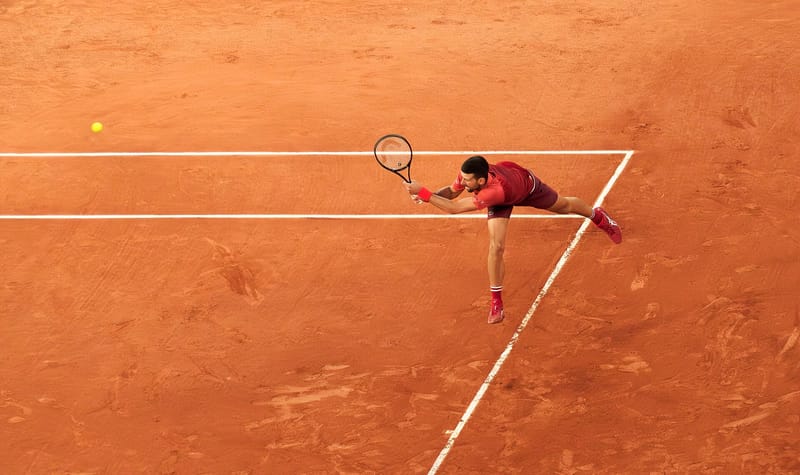
Djokovic wins seventh China Open title as De Minaur retires; Alcaraz retains Tokyo crown
Novak Djokovic, 39, won the China Open in Beijing after Alex de Minaur retired injured in the final, while Carlos Alcaraz defended his Japan Open title by beating Jiri Lehecka.
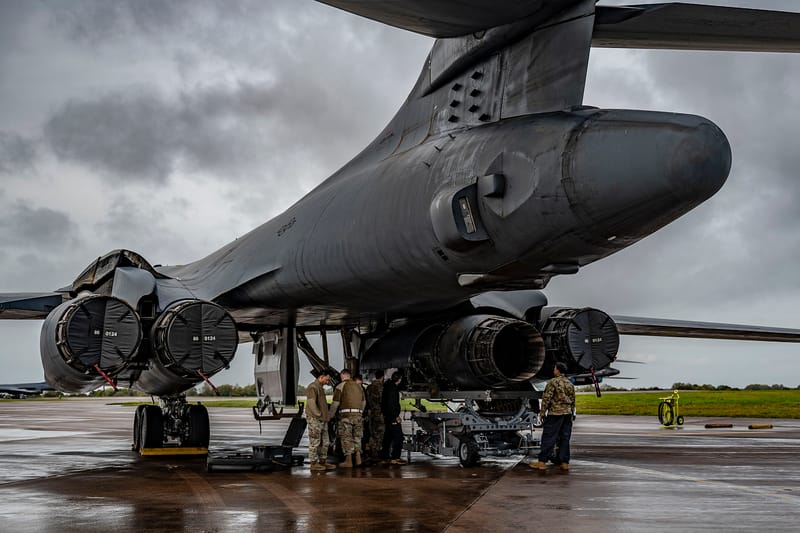
UK police arrest 22-year-old Briton in RAF Fairford terrorism investigation
Counter Terrorism Policing says a British man was arrested in London on suspicion of preparing terrorist acts, after six earlier suspects in the case were released on bail.
Comments