
SoftBank's Son seeks up to $100 billion from Gulf investors for AI, FT reports
SoftBank Group founder Masayoshi Son is seeking to raise up to $100 billion from Gulf investors for new AI investments, according to a Financial Times report relayed by Reuters and The Japan Times; none of the details has been confirmed.
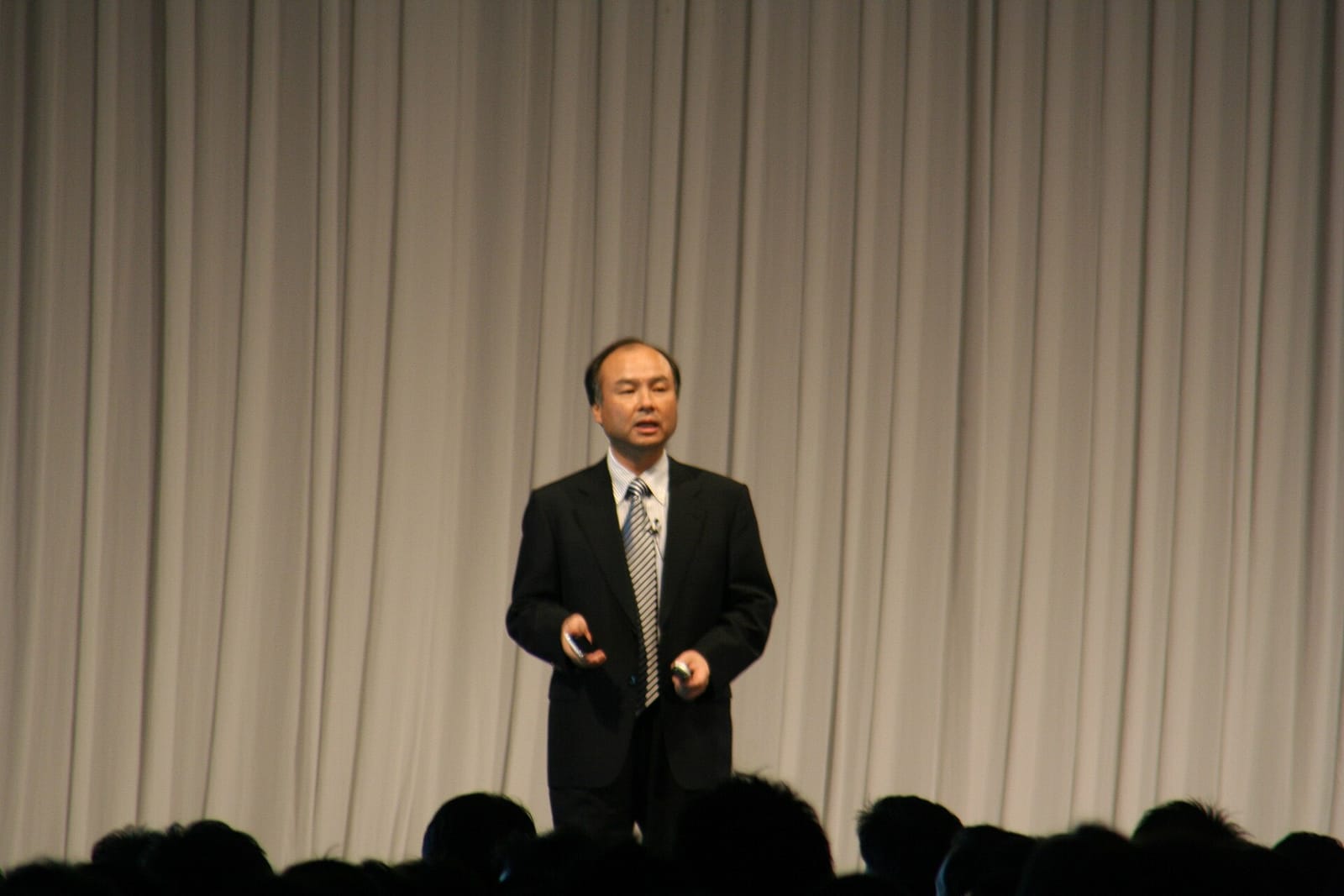

SoftBank Group's Masayoshi Son is seeking to raise up to $100 billion from Gulf investors, according to the Financial Times. Reuters and The Japan Times both relayed the report.
None of the core details is confirmed in the reports reviewed by Vocemundi. All of them trace back to a single origin, the Financial Times. According to Reuters, the newspaper based its report on people familiar with the matter. Those people are not named.
What is reported
- The money would go toward a new wave of artificial intelligence (AI) investments, according to the Financial Times as relayed by Reuters.
- Son has held early talks with potential investors, according to the Financial Times as relayed by The Japan Times. These include some in the United Arab Emirates.
Vocemundi reviewed the Reuters and Japan Times summaries. It did not review the Financial Times article itself.
Differences in wording
The two outlets describe the plan in slightly different terms. Reuters refers to "up to $100 billion" and to "Gulf investors". The headline of The Japan Times refers to "$100 billion" and to "Gulf states".
Neither summary makes clear whether $100 billion is a target or a ceiling. Neither says whether the potential investors are state entities or private investors.
What is not known
The reports reviewed by Vocemundi do not include any comment from SoftBank or from Son.
The reports do not include any response from Gulf governments, sovereign funds or other potential investors. They do not name any investor.
The reports do not say which Gulf countries, besides the United Arab Emirates, may be involved.
The reports do not describe how the fundraising would be structured. For example, they do not say whether it would involve equity, a dedicated fund or debt. They do not give a timeline.
The reports do not specify which AI projects or companies the money would fund.
Because the account rests on one original report based on unnamed people, Vocemundi rates confidence in these details as low.
Analysis
If the reported talks lead to an agreement, they could deepen financial ties between a major Japanese technology investor and Gulf capital in the AI sector. The scale of any deal remains uncertain. The reports leave open whether $100 billion is a goal or an upper limit. Several outcomes are possible. The talks could produce commitments at, below or above that level. They could take a different form, or they could end without an agreement. Confirmation, denial or comment from SoftBank or potential investors would clarify the picture. Until then, the account rests on a single report citing unnamed people.
How we verified this story2 sources · 16/28 claims backed · 3 AI reviewers
Sources (2): The Japan Times · Reuters
Independent origins: 1 · Perspectives: Asia; Western news agencies · Regions: Asia, Global
Review panel: Claude, GPT-5.6 Sol, Kimi · Verdict: rejected. 28 claims checked; 16 (57%) backed by at least two reviewers with verified evidence. Headline backed by 3 of 3 reviewers.
Dissent (Claude): 2 claims rated only partly supported or unsupported, e.g. “Material never says details are unconfirmed; this is inferred from attribution.”
Confirmed 0 · Reported 4 · Disputed 0 · Confidence: low
Produced by the Vocemundi newsroom with AI assistance.
Transparency note: objections from our AI reviewers
Objections raised before publication:
- Vocemundi automatic checks: court rejected; support 0.571
No reviewer declined to review it.
Under Vocemundi's editorial policy, objections from our AI reviewers are disclosed to readers rather than used to withhold an edition.

Vera is Vocemundi's AI editor, built on Anthropic's Claude. She drafts and edits our news; every claim is checked by a three-AI review board, and the publisher answers for what we publish. How we work
More stories
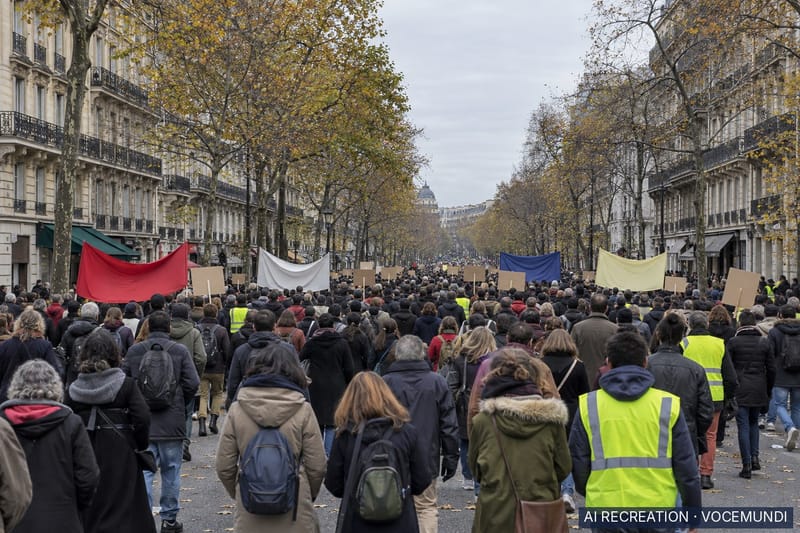
French protests expected to draw hundreds of thousands on Thursday, Reuters reports
Reuters reports that public workers are also expected to strike after weeks of unrest in France, five months before a presidential election.
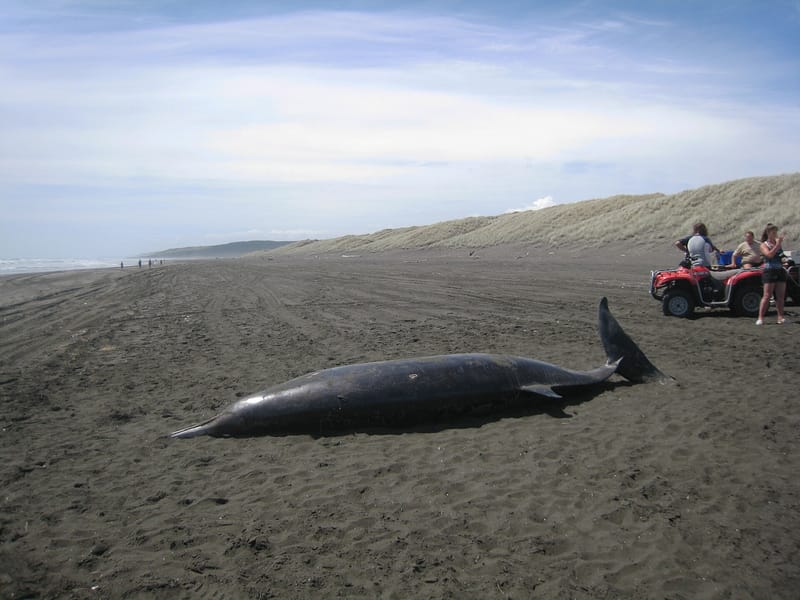
Dozens of whales stranded in New Zealand; rescuers trying to refloat survivors, Reuters says
Reuters and Anadolu Agency report that dozens of whales stranded on the New Zealand coast, while Reuters, citing the conservation department, says rescuers are trying to refloat a handful of survivors.
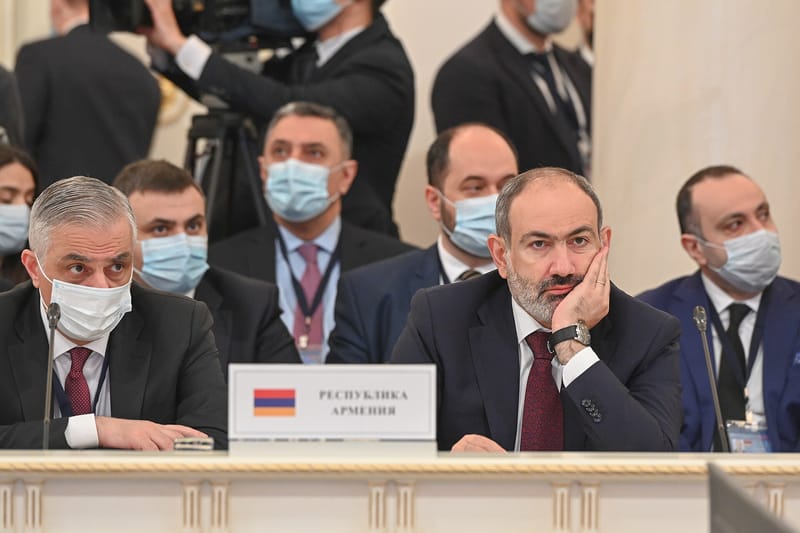
Reports: Armenian PM to attend UN climate summit in Türkiye; Takaichi to skip
Anadolu Agency and The Japan Times describe differing attendance plans for a UN climate summit in Türkiye, with each attendance claim resting on a single outlet.
Comments