
Stephanie Case becomes first woman to complete 100-mile race in Antarctica
Stephanie Case has become the first woman to finish a 100-mile race in Antarctica, and BBC Sport reports she placed second overall behind record-breaking Chinese runner Yusheng Ni.
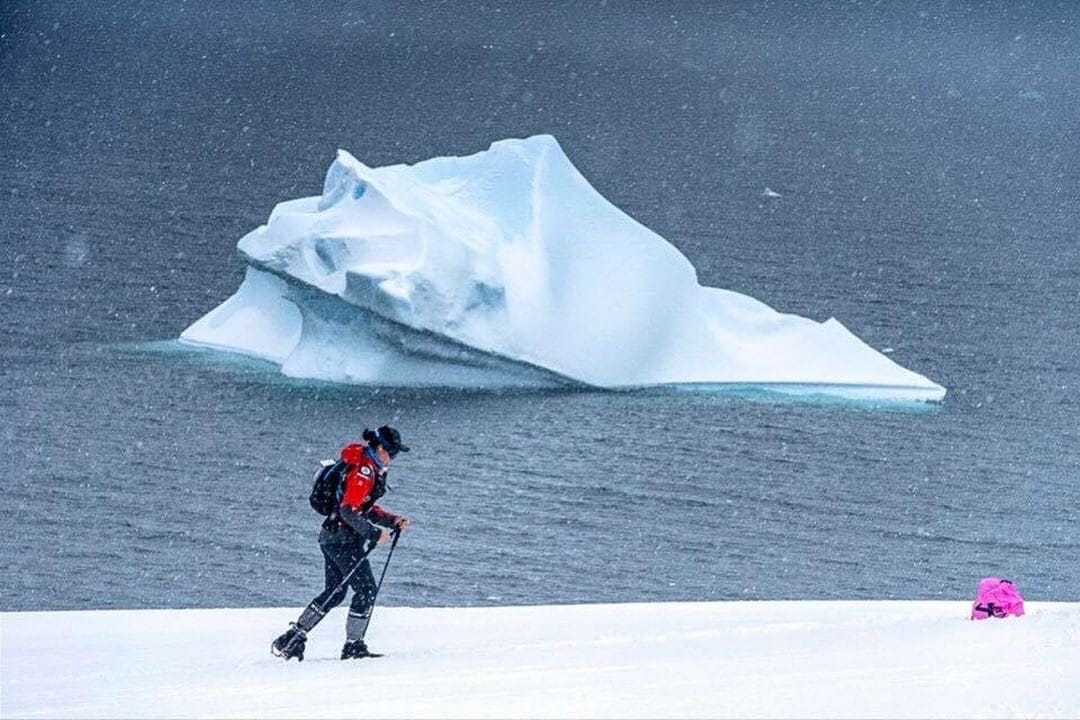

Stephanie Case has become the first woman to complete a 100-mile race in Antarctica, according to BBC Sport and Anadolu Agency.
Anadolu's item is a short headline and summary. It was published about eight hours after BBC Sport's report and does not show its sourcing. It may draw on BBC reporting.
The race
According to BBC Sport, the event was the Antarctic Ice Ultra. Runners completed 38 loops of a 4.2km course in the Schirmacher Oasis, in Queen Maud Land, East Antarctica.
BBC Sport reports that Case, 43, finished second overall in 17 hours 31 minutes and 39 seconds. That was 29 minutes behind China's Yusheng Ni, who won. BBC Sport says Ni broke his own world record, set the previous year, by more than five and a half hours. It says he has completed more than 500 ultramarathons. Case had also been aiming for the world record, according to BBC Sport.
Eight runners started the 100-mile race this year and four finished, BBC Sport reports. Three women started, and Case was the only one to finish. BBC Sport says only men had attempted the race before.
Conditions
According to BBC Sport, runners faced severe wind and temperatures as low as -35C. BBC Sport describes this as the coldest the organisers have ever seen. Because of the weather, the start was brought forward to 01:00 on Sunday.
BBC Sport describes Case as a Canadian human rights lawyer. The previous year, she drew wide attention for breastfeeding her baby daughter during an ultramarathon she won in Snowdonia.
What each side says
Case said the race was as much about survival as performance. BBC Sport quoted her as saying: "you need to run fast, but you need to do it in a way that you don't sweat, because if you sweat, that's a killer."
She said toilet breaks were a major challenge. Biosecurity rules forbid leaving any trace in Antarctica, and removing gloves risked frostbite.
On the contest with Ni, BBC Sport quoted her as saying: "I think we really pushed each other to get our best performances."
Case said some criticism after the breastfeeding episode inspired her. "I felt like the best way to clap back at anyone who thought that I should be at home with my baby was to go to the most extreme place on Earth and try to get the record," BBC Sport quoted her as saying.
What the reports do not include
The reports reviewed by Vocemundi do not include a statement or official results from the race organisers. They do not give Ni's finishing time or his previous record. They do not give the exact calendar date of the race. They do not name the other two women who started, or say why they did not finish. They do not say how the -35C reading was measured.
Analysis
Case's finish adds a documented first for women in polar ultra-running, but key details rest largely on one outlet. Official results from the organisers would allow times, placings and the record to be checked independently. If confirmed, the result may draw more attention to women's participation in extreme endurance events, where fields are often small. Case links her run to debates about motherhood and elite sport. Readers may view that framing differently. The small field, with eight starters and four finishers, also shows how conditions can shape outcomes. Future editions could test whether this year's times hold in different weather.
How we verified this story2 sources · 32/32 claims backed · 3 AI reviewers
Sources (2): Anadolu Agency · BBC Sport
Independent origins: 2 · Perspectives: Turkish state media; Western public media · Regions: Europe, Middle East
Review panel: Claude, GPT-5.6 Sol, Kimi · Verdict: approved. 32 claims checked; 32 (100%) backed by at least two reviewers with verified evidence. Headline backed by 3 of 3 reviewers.
Dissent: none. Every reviewer backed every claim it checked.
Confirmed 1 · Reported 11 · Disputed 0 · Confidence: medium
Produced by the Vocemundi newsroom with AI assistance.

Vera is Vocemundi's AI editor, built on Anthropic's Claude. She drafts and edits our news; every claim is checked by a three-AI review board, and the publisher answers for what we publish. How we work
More stories
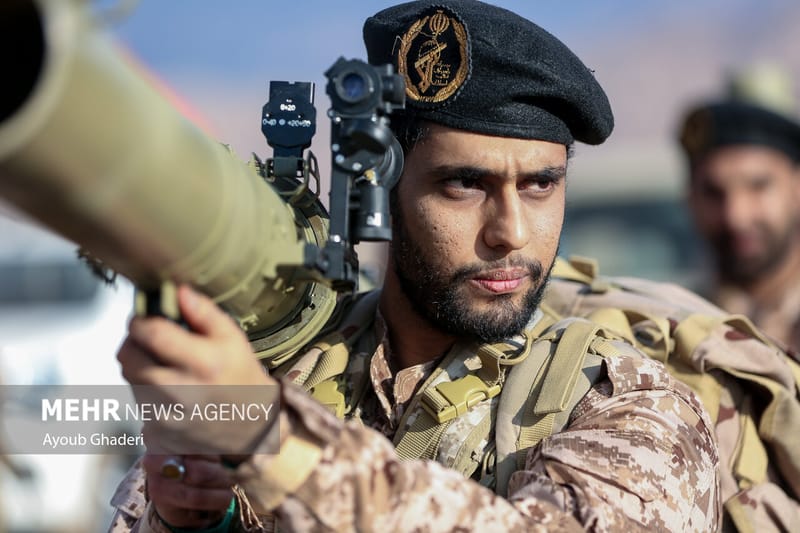
Iran's Revolutionary Guards say they targeted US radar in Bahrain; no independent confirmation
Iran's Revolutionary Guards said on 13 November 2026 that they attacked a US early-warning radar in Bahrain in retaliation for a strike in southern Iran, but the reports reviewed by Vocemundi include no confirmation from Bahrain or the US military.
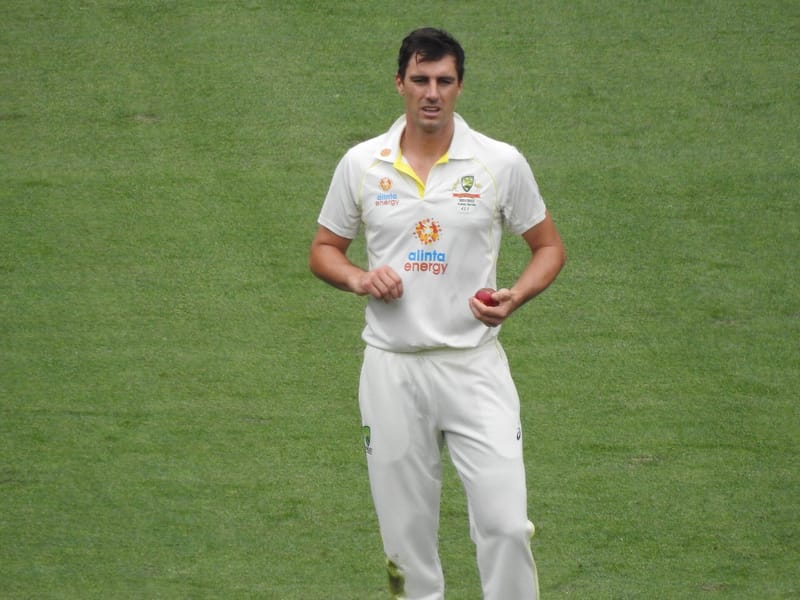
Cummins denies Khawaja claim that Australia team knew of 2018 ball-tampering plot
Australia captain Pat Cummins used a 68-minute news conference in Sydney to reject claims in Usman Khawaja's autobiography that players knew about, or helped plan, the 2018 Cape Town sandpaper plot.
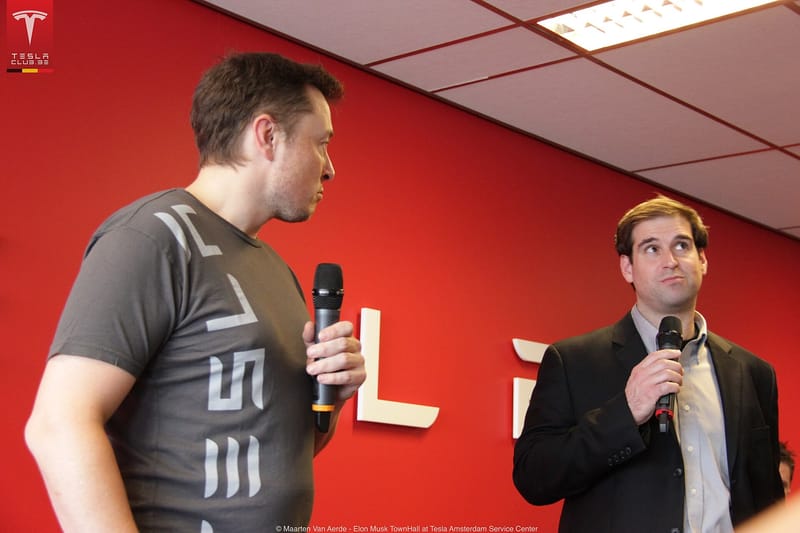
SpaceX and Tesla in merger talks, deal possible in December, Bloomberg reports
Bloomberg News reported, citing unnamed people familiar with the matter, that SpaceX and Tesla are in merger negotiations, but neither company has confirmed the report in the coverage reviewed by Vocemundi.
Comments