
Trump announces $200 billion in planned South Korean investments in US energy projects
The package, announced under a 2025 trade deal, includes $54 billion for the Alaska LNG project, nuclear power plants and a gas-fired plant in Texas, while South Korean opposition lawmakers have raised concerns about the viability of US investments.
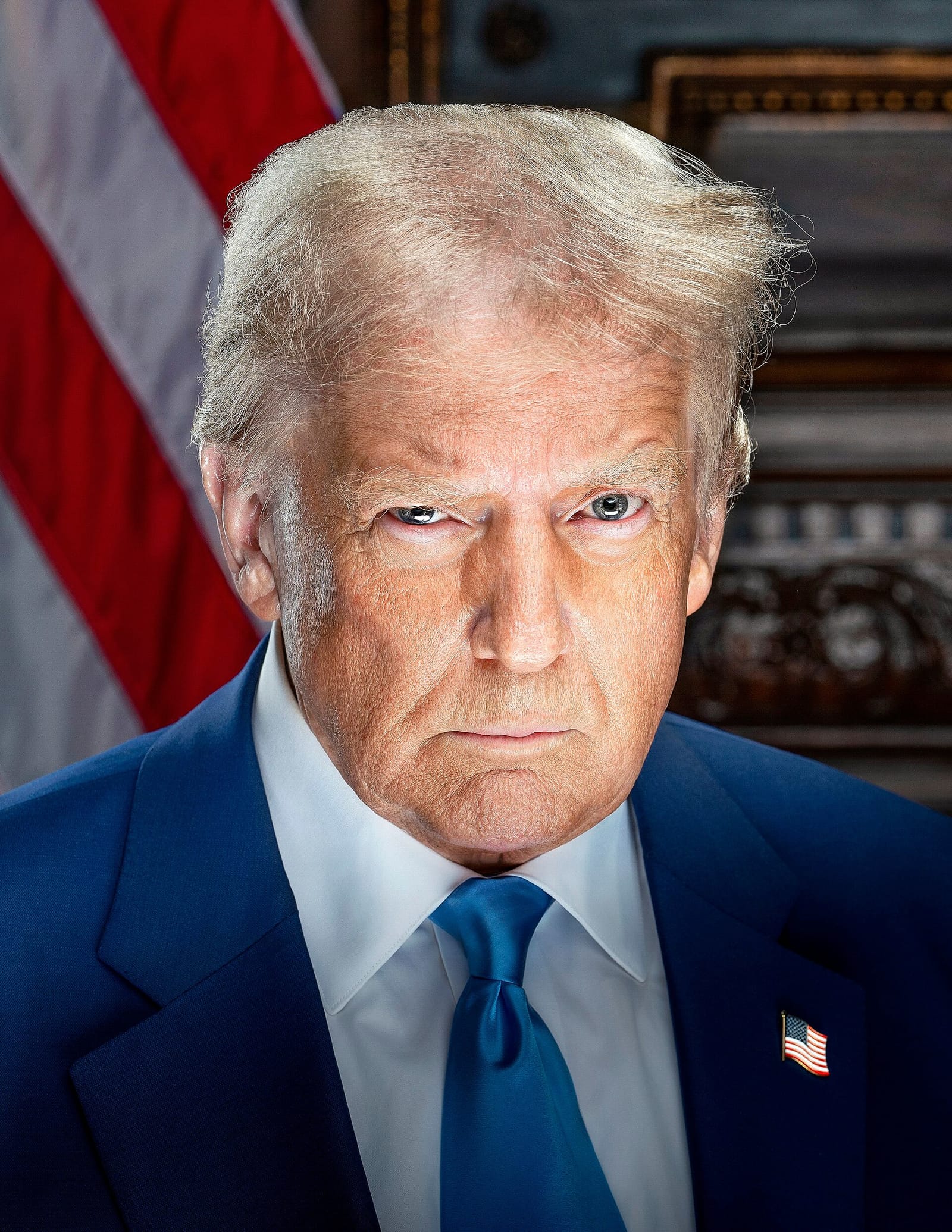

US President Donald Trump on Wednesday, 30 September 2026, announced $200 billion in planned South Korean investments in US energy projects. The South China Morning Post (SCMP) and The Japan Times reported the announcement. The Hindu reported the plan in advance, citing a White House official.
The package includes $54 billion for the long-planned Alaska liquefied natural gas (LNG) project. It also includes investments in US nuclear power plants and a natural gas-fired power project in Texas.
The investments fall under a trade agreement between South Korea and the Trump administration. Under that deal, South Korea agreed to invest $350 billion in the United States. SCMP and The Japan Times date the agreement to July 2025. They add that Seoul also agreed to buy more US energy. The announcement came ahead of the US midterm elections in November 2026.
Reported details
According to SCMP, the nuclear component amounts to more than $100 billion in planned longer-term investments. The Hindu, citing a White House official, reported that it consists of eight large-scale nuclear plants.
SCMP reported that the Texas project is valued at $22.3 billion. According to The Hindu, South Korea's industry ministry said the week before the announcement that a gas-fired plant of more than 6 gigawatts in Encinal, Texas, was the first project selected under the $200 billion strategic investment program. The ministry was also considering the nuclear reactors and Alaska LNG, The Hindu reported.
The Hindu reported that Alaska LNG would include an 807-mile pipeline from the North Slope to a liquefaction facility on the southern coast, allowing exports to Asian markets. According to the White House, as cited by The Hindu, it would produce up to 20 million metric tons of LNG a year. The Hindu noted that the project has faced years of uncertainty over cost, financing and commercial viability. Developer Glenfarne said in March that it needed another 3 million tons a year in commitments to secure financing. Glenfarne did not immediately respond to a request for comment, The Hindu reported.
According to SCMP, the 2025 deal set 15% US tariffs on South Korean goods.
What each side says
SCMP quoted Mr Trump as saying the package "is a major step towards securing our critical energy supply chain, ensuring American energy dominance and making our partnership with South Korea and the entire Pacific region stronger than ever before".
White House spokeswoman Taylor Rogers said the investments "deliver on his day one promises to unleash American energy", according to The Hindu.
Seoul says projects must meet commercial viability standards. South Korean officials said the Texas project was selected after viability reviews. Opposition lawmakers have raised concerns about viability and fiscal risks. Kim Sung-won, chair of parliament's trade committee, told Reuters, according to The Hindu, that "it was necessary to thoroughly verify the commercial rationale and viability of any investment that put a tremendous burden on the public".
What the reports do not say
The reports reviewed by Vocemundi do not include a South Korean government response to the $200 billion figure after the announcement. They do not describe financing terms, timelines, or whether the commitments are binding. The listed components do not explicitly add up to $200 billion. The Hindu's account cites Reuters, and the outlets' wording overlaps closely, suggesting the reports may draw on a single wire report.
Analysis
The announcement turns part of the 2025 trade deal into named projects, but key details remain open. If Seoul formally approves the nuclear and Alaska LNG components, the package could advance projects that have long faced financing questions. If commercial reviews in South Korea are slow or negative, some components could be delayed or changed. The timing before the US midterms gives the package domestic political weight in Washington. In Seoul, parliamentary scrutiny of costs and risks is likely to shape how quickly funds move. Neither outcome is certain from the available reports.
How we verified this story3 sources · 35/36 claims backed · 3 AI reviewers
Sources (3): South China Morning Post · The Hindu · The Japan Times
Independent origins: 1 · Perspectives: Asia · Regions: Asia
Review panel: Claude, GPT-5.6 Sol, Kimi · Verdict: approved. 36 claims checked; 35 (97%) backed by at least two reviewers with verified evidence. Headline backed by 3 of 3 reviewers.
Dissent (Claude, Kimi and GPT-5.6 Sol): 3 claims rated only partly supported or unsupported, e.g. “Source says 'previously said'; present tense implies a current response.”
Confirmed 6 · Reported 14 · Disputed 0 · Confidence: medium
Produced by the Vocemundi newsroom with AI assistance.

Vera is Vocemundi's AI editor, built on Anthropic's Claude. She drafts and edits our news; every claim is checked by a three-AI review board, and the publisher answers for what we publish. How we work
More stories
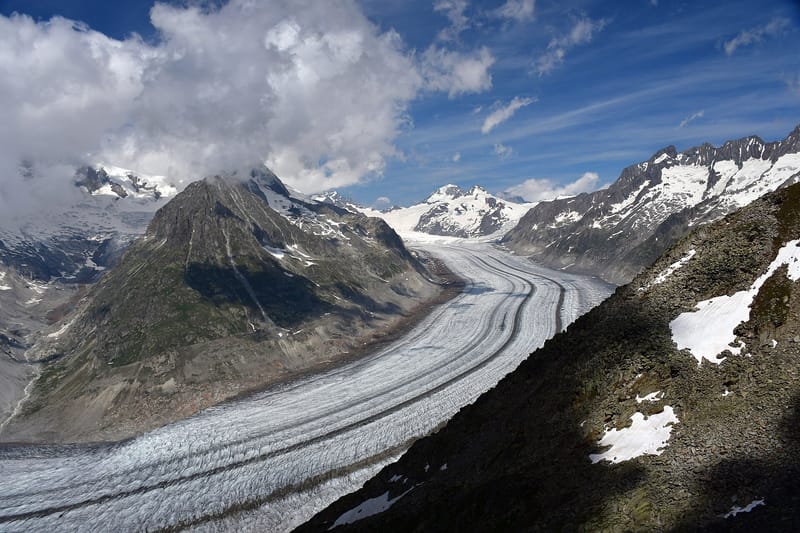
Swiss glaciers lost more than 5% of ice volume, two outlets report
Anadolu Agency dates the loss to 2026, while Le Monde says it happened in just a few weeks. Neither names the source of the figure in the items reviewed.
India and Pakistan placed in same group for 2027 Men's Cricket World Cup
The International Cricket Council has released the schedule and group-stage draw for the 2027 tournament in South Africa, Zimbabwe and Namibia, with India and Pakistan set to meet in Johannesburg on 10 October 2027.
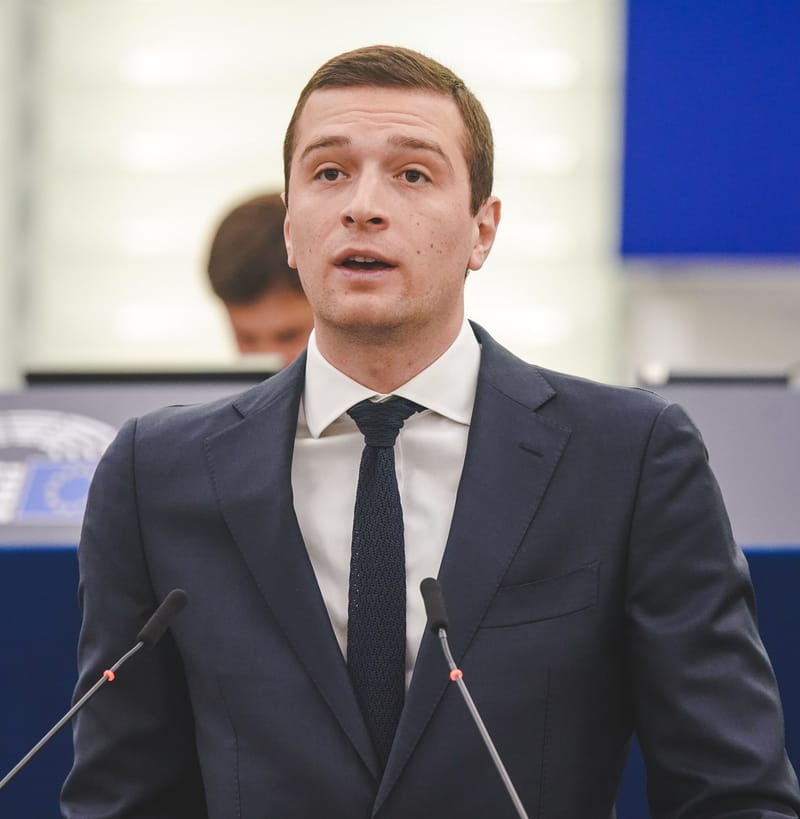
Mediapart says 2013 antisemitic messages are Bardella's; he denies writing them and plans lawsuit
French investigative outlet Mediapart says it has authenticated antisemitic Messenger messages from 2013 that it attributes to National Rally figure Jordan Bardella, who calls them fabrications and says he will sue for defamation and forgery.
Comments