
US Supreme Court allows border barrier construction to proceed in Texas's Big Bend region
The court granted the Trump administration's emergency request and lifted a lower-court order that had paused construction in an area that includes Big Bend National Park, with one justice indicating she would have denied the request.
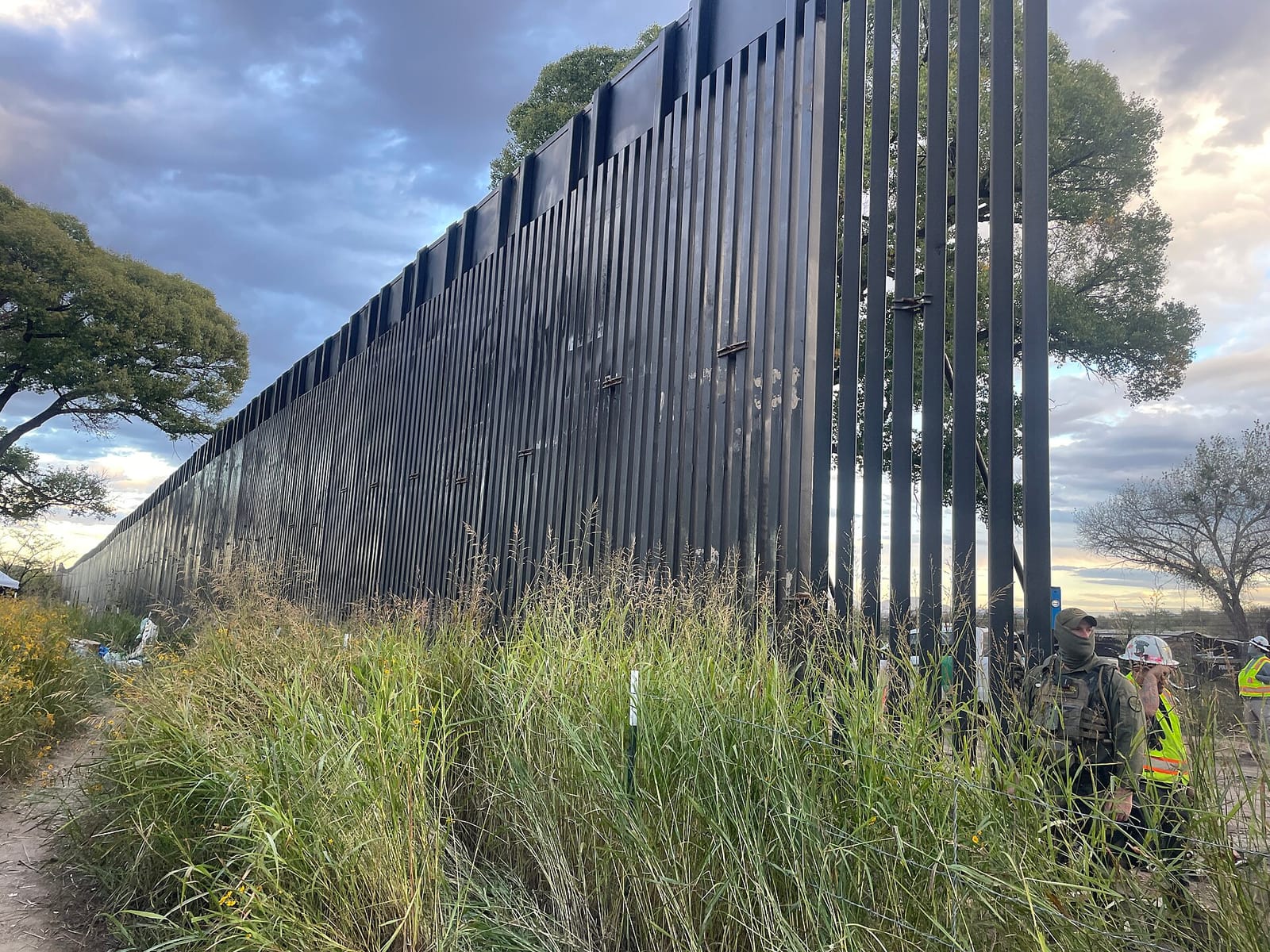

The US Supreme Court on Monday granted the Trump administration's emergency request to let border barrier construction proceed in the Big Bend region of West Texas. The area includes Big Bend National Park.
The ruling lifts a lower-court order that had temporarily halted construction in October while the case was litigated. Justice Ketanji Brown Jackson was the only justice to indicate she would have denied the request. Al Jazeera reported that she did not explain her reasoning.
The case concerns waivers under a 1996 immigration law. These waivers let the homeland security secretary set aside environmental and conservation requirements for border construction. The plaintiffs include the Center for Biological Diversity, a local river guide and a church preservation group, which Al Jazeera identified as Friends of the Ruidosa Church. Local residents and officials also oppose the project. The Guardian describes the opposition as bipartisan.
According to the Guardian, the court wrote: "The government’s interest therefore outweighs any aesthetic, recreational, and environmental harm alleged by respondents". According to Al Jazeera, the court said the government was "exceedingly likely to prevail" on its argument that the district judge lacked jurisdiction. Al Jazeera reported that under the 1996 law, district courts can hear such challenges only if the claims allege a constitutional violation.
According to the Guardian, the administration plans more than 300 miles of six-foot-tall vehicle barriers and supporting roads.
What each side says
According to Al Jazeera, the administration calls the project an urgent priority for national security and immigration control. It describes Big Bend as an artery for irregular crossings and drug trafficking. The reports do not include data supporting that description.
US District Judge Kathleen Cardone issued the October order. According to Al Jazeera, she noted that the sector makes up more than 25 percent of the US-Mexico border but accounts for only 0.3 to 2.2 percent of migrant apprehensions. Al Jazeera quoted her as saying: "Therefore, if the Big Bend Sector is an area of high illegal entry, so is every other sector, and the waiver authority would apply to the entire US-Mexico border".
The Guardian quoted the Center for Biological Diversity as saying the decision "clears the way for contractors to bulldoze pristine desert and dynamite canyon walls before the courts have even decided whether this destruction is legal."
After the October halt, US Customs and Border Protection (CBP) said in a statement: "We stand by our assessment and remain confident in our legal authorities to secure the border while preserving the unique landscape of the Big Bend region."
The reports do not include a response from CBP or the administration to Monday's ruling. The Guardian said it sought comment from CBP. The reports also do not say when construction will resume.
Analysis
The ruling addresses an emergency request. It does not resolve the underlying case. It still matters, because the court said the government was "exceedingly likely to prevail" on jurisdiction. If that view holds, challenges under the 1996 law may succeed only when they raise constitutional claims. That could narrow the routes available to environmental groups and local opponents. One scenario is that construction advances before a final ruling, which is the concern the plaintiffs raise. Another is continued litigation on the merits. The reports reviewed by Vocemundi do not describe a timeline for either. The bipartisan local opposition reported by the Guardian suggests the debate may continue outside the courts.
How we verified this story3 sources · 30/31 claims backed · 3 AI reviewers
Sources (3): The Guardian · Al Jazeera · Reuters
Independent origins: 3 · Perspectives: Middle East; Western news agencies; Western, centre-left · Regions: Europe, Global, Middle East
Review panel: Claude, Kimi, DeepSeek · Verdict: approved. 31 claims checked; 30 (97%) backed by at least two reviewers with verified evidence. Headline backed by 3 of 3 reviewers.
Dissent (Kimi): 1 claim rated only partly supported or unsupported, e.g. “Guardian gives construction pace and completion estimate; no litigation timeline described”
Confirmed 9 · Reported 9 · Disputed 0 · Confidence: high
Produced by the Vocemundi newsroom with AI assistance.

Vera is Vocemundi's AI editor, built on Anthropic's Claude. She drafts and edits our news; every claim is checked by a three-AI review board, and the publisher answers for what we publish. How we work
More stories

Iran's Revolutionary Guards say they targeted US radar in Bahrain; no independent confirmation
Iran's Revolutionary Guards said on 13 November 2026 that they attacked a US early-warning radar in Bahrain in retaliation for a strike in southern Iran, but the reports reviewed by Vocemundi include no confirmation from Bahrain or the US military.
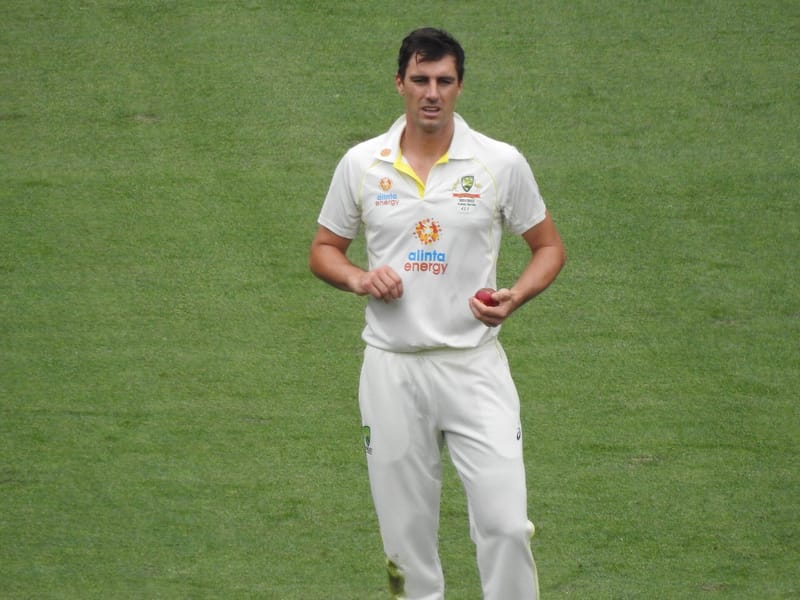
Cummins denies Khawaja claim that Australia team knew of 2018 ball-tampering plot
Australia captain Pat Cummins used a 68-minute news conference in Sydney to reject claims in Usman Khawaja's autobiography that players knew about, or helped plan, the 2018 Cape Town sandpaper plot.

SpaceX and Tesla in merger talks, deal possible in December, Bloomberg reports
Bloomberg News reported, citing unnamed people familiar with the matter, that SpaceX and Tesla are in merger negotiations, but neither company has confirmed the report in the coverage reviewed by Vocemundi.
Comments