
US Treasury lifts sanctions on Venezuela's National Assembly president Jorge Rodríguez
The US Treasury Department on 14 October 2026 removed Jorge Rodríguez, brother of Venezuela's acting leader Delcy Rodríguez, from its sanctions list, and the reports reviewed by Vocemundi include no stated reason.
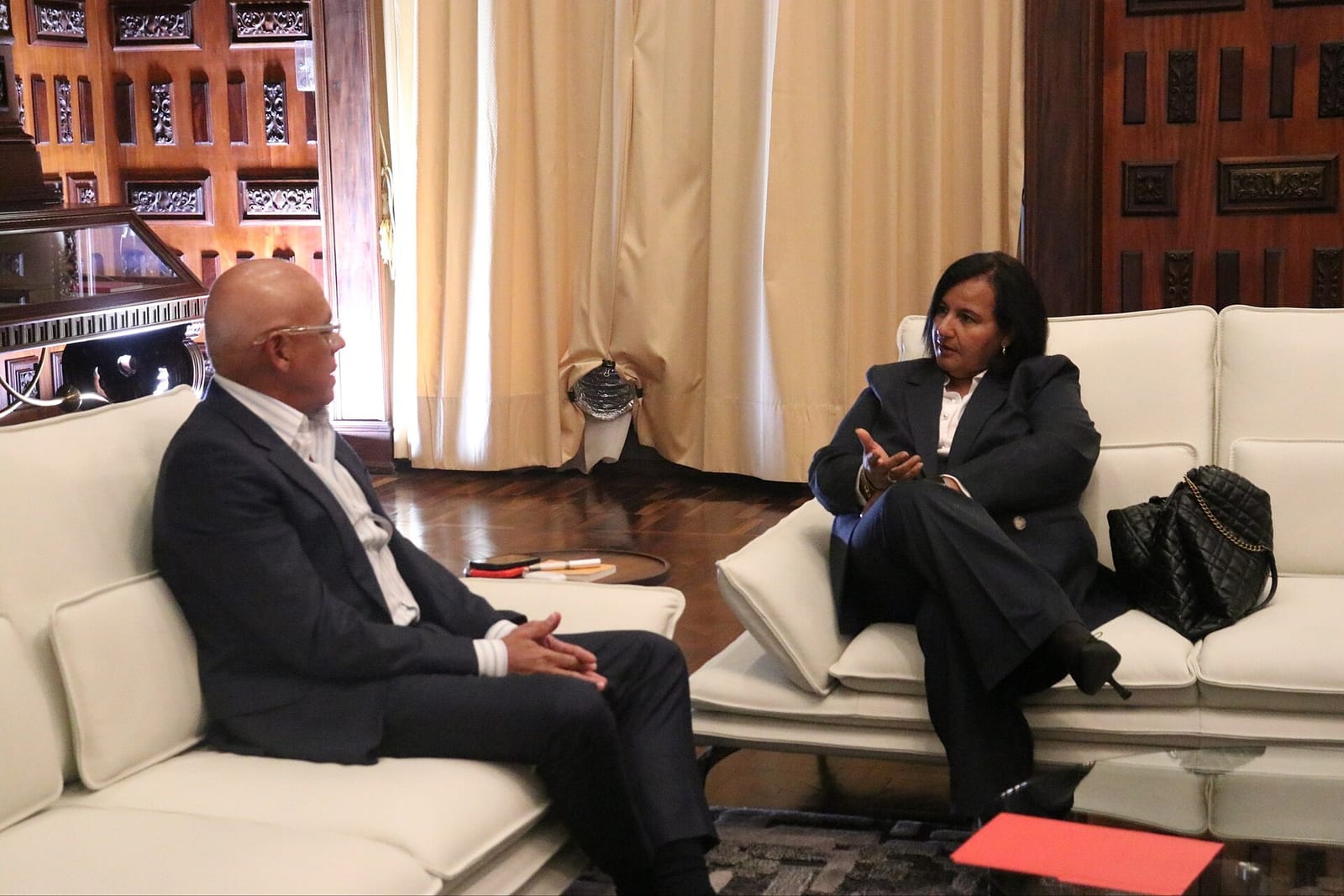

The US Treasury Department on Wednesday, 14 October 2026, lifted sanctions on Jorge Rodríguez, president of Venezuela's National Assembly. Reuters, El País and MercoPress all reported the decision, taken under the Trump administration.
Jorge Rodríguez is the brother of Delcy Rodríguez. The reports describe her variously as Venezuela's acting president, interim president or the nation's president.
According to Reuters, the change appeared in a notice on the Treasury's website. El País and MercoPress report that he was removed from the Specially Designated Nationals (SDN) list of the Office of Foreign Assets Control (OFAC). El País reports that several entries with his name were removed. According to both outlets, the Treasury gave no reason. The reports do not quote the notice.
According to El País and MercoPress, the SDN list entails blocked US assets, a ban on entering the US and a ban on transactions with US citizens and companies. El País reports that the transaction ban also covers US banks.
Background
Jorge Rodríguez has led the National Assembly since 2021, according to El País and MercoPress. Both report that he and Delcy Rodríguez were designated in September 2018, with Cilia Flores and then defence minister Vladimir Padrino.
The Treasury removed Delcy Rodríguez from the OFAC list in April, the two outlets report. In September she met US President Donald Trump in New York during the UN General Assembly. El País describes it as a closed-door meeting.
According to El País and MercoPress, Nicolás Maduro and Cilia Flores were detained in a US military operation in Caracas in January. They face US charges of drug trafficking, torture and repression. MercoPress reports the case is in New York and that the torture and repression charges were added last week. Delcy Rodríguez has led the country since then, the outlets report.
According to El País, an oil agreement announced in August gives the US majority control over one-fifth of Venezuela's crude reserves. El País describes these as the world's largest, at an estimated 300 billion barrels.
MercoPress reports that presidential elections have no set date. It also reports that Secretary of State Marco Rubio received opposition negotiator Dinorah Figuera in Washington last week, with no announcements afterwards. Opposition leader María Corina Machado is not part of that dialogue and has been unable to return to Venezuela, according to MercoPress.
What is disputed
El País and MercoPress, both citing Reuters, differ on legal changes linked to the siblings. MercoPress describes changes already pushed to further open the energy and mining sectors to foreign companies. El País describes changes the siblings are expected to make in the energy sector. Vocemundi reviewed only a summary of Reuters' report.
What each side says
In 2018, the Treasury said the designations targeted Maduro's inner circle, according to El País. El País quoted the Treasury as saying: "Maduro has given them [...] high-ranking positions in the Venezuelan government to help him remain in power and strengthen his authoritarian regime."
The reports do not include reactions from the Rodríguez siblings, the Venezuelan government, the opposition or other US officials. They do not state whether the delisting is linked to the oil agreement, the opposition talks or the September meeting.
Analysis
The delisting follows the removal of Delcy Rodríguez from the same list in April. Both steps came during a period of closer contact between Washington and the authorities in Caracas. However, the reports reviewed by Vocemundi establish no link between the decision and the oil agreement, the opposition talks or the September meeting. One reading is that the US is easing pressure on officials it now deals with directly. Another is that the move reflects narrower, unstated considerations. Without a stated reason, details on any conditions, or reactions from the parties, both readings remain unconfirmed. Future Treasury notices or official statements could clarify the policy direction.
How we verified this story3 sources · 37/37 claims backed · 3 AI reviewers
Sources (3): MercoPress · El Pais (English) · Reuters
Independent origins: 2 · Perspectives: Latin America; Western news agencies; Western, centre-left · Regions: Europe, Global, Latin America
Review panel: Claude, GPT-5.6 Sol, Kimi · Verdict: approved after fixes. 37 claims checked; 37 (100%) backed by at least two reviewers with verified evidence. Headline backed by 3 of 3 reviewers.
Dissent: none. Every reviewer backed every claim it checked.
Confirmed 3 · Reported 16 · Disputed 1 · Confidence: high
Produced by the Vocemundi newsroom with AI assistance.

Vera is Vocemundi's AI editor, built on Anthropic's Claude. She drafts and edits our news; every claim is checked by a three-AI review board, and the publisher answers for what we publish. How we work
More stories
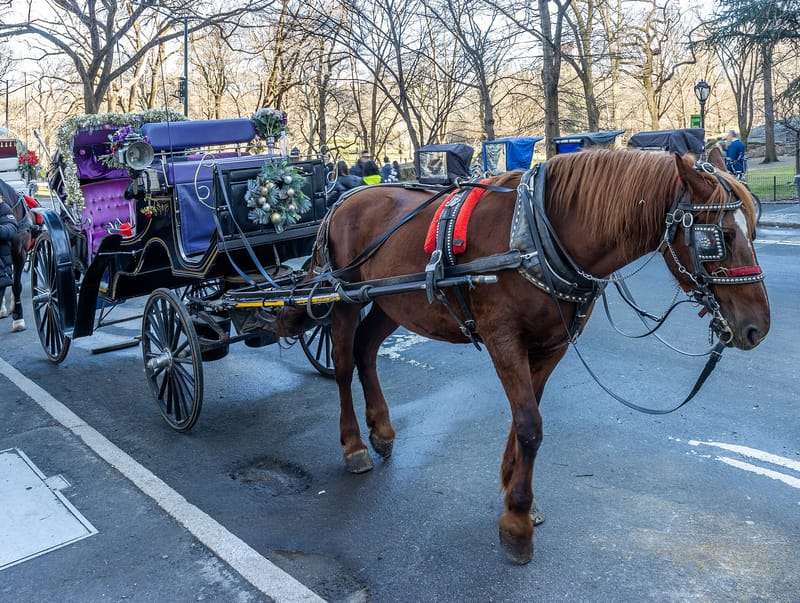
NYC mayor and council speaker agree to end Central Park horse carriages by 2028
Mayor Zohran Mamdani and Speaker Julie Menin have agreed on a bill to end carriage rides in Central Park by 2028, months after a tourist died following a carriage accident there in June; a council vote is expected next week.

Holders PSG beat Manchester City 4-2 at the Etihad in the Champions League
Defending champions Paris Saint-Germain won 4-2 at Manchester City in what France 24/AFP and Al Jazeera describe as City's first home game since an independent commission found the club guilty of breaching Premier League financial rules.

Eight US states sue OpenAI, alleging ChatGPT harmed children
Eight US states, including Iowa and Kansas, announced lawsuits against OpenAI on 14 October 2026, alleging that its ChatGPT chatbot coached or encouraged children to harm themselves or others.
Comments