
German cabinet approves draft two-tier sugary drinks tax, The Local Germany reports
Germany is moving to tax sugary soft drinks, and according to The Local Germany the cabinet approved a two-tier draft law on 14 October 2026 that still needs parliamentary approval.
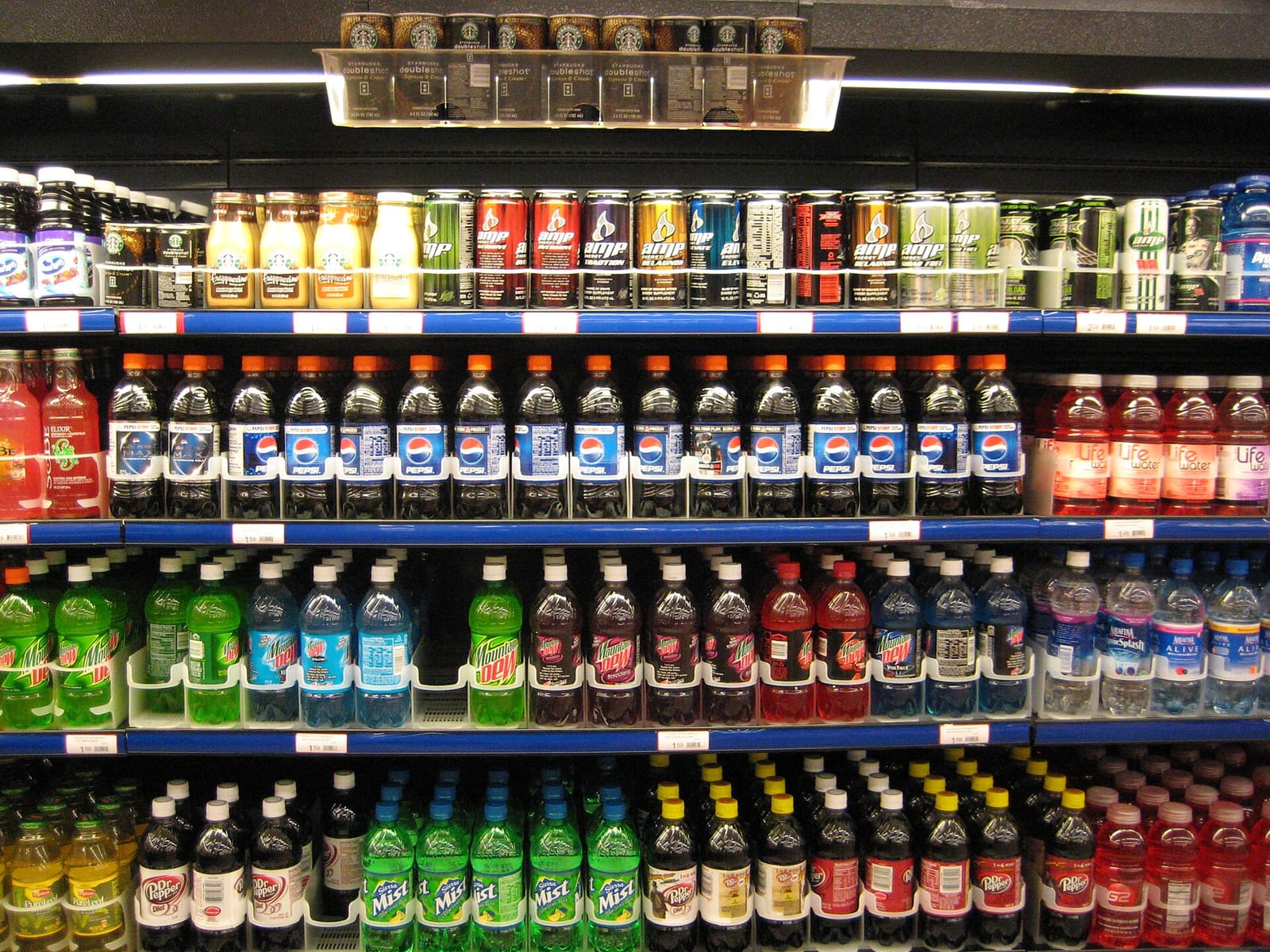

Germany is moving to introduce a tax on sugary soft drinks. Both Anadolu Agency and The Local Germany report this.
The Federal Cabinet approved a draft law for the tax on Wednesday, 14 October 2026, according to The Local Germany. The draft must still complete the legislative process, including passage by the Bundestag, before it becomes law.
What the draft contains
According to The Local Germany:
- Drinks with at least 5 grams of sugar per 100 millilitres would be taxed at 26 cents per litre.
- Drinks with 8 grams or more per 100 millilitres would be taxed at 32 cents per litre.
- Manufacturers would pay the tax. They could pass all or part of it on to consumers, or reduce the sugar content of their products.
- Manufacturers producing less than one million litres of sugary drinks a year would be exempt.
- Under current plans, the levy would take effect on 1 July 2027.
- The revenue is to be used to keep statutory health insurance contributions stable.
How the compromise was reached
The Local Germany reported that the approval followed weeks of public disagreements and last-minute interventions from the Chancellor's Office. Earlier in October, the Chancellor's Office effectively halted Finance Minister Lars Klingbeil's plans, the outlet reported. Ministers then dropped a proposed higher tax band and returned to a simpler two-tier model. The outlet wrote that the final dispute appears to have centred mainly on the structure and level of the tax.
A leaked Finance Ministry draft had suggested the levy could go beyond traditional sugary soft drinks. According to reports cited by The Local Germany, oat milk, ready-made coffee drinks and drinks with artificial sweeteners were being considered. The suggestion prompted an immediate backlash. The reports do not say whether these products are covered by the final draft.
What each side says
- Lars Klingbeil, who has led the push for the levy, argues that making highly sugary drinks more expensive will encourage manufacturers to cut sugar and help reduce excessive sugar consumption, particularly among children, according to The Local Germany.
- The federal government expects revenue to rise from around €690 million in 2027 to €925 million in 2028 under the latest compromise, the outlet reported.
- Backers of the tax say it may improve public health and provide needed income for the public health insurance system.
- The Chancellor's Office said earlier in October that Klingbeil's proposal differed from the recommendations of the government's Health Finance Commission and would struggle to win sufficient support.
- Conservative Union politicians and agriculture ministers from Union-led states were among the most vocal opponents of the tax's details, according to The Local Germany.
- Consumer group Foodwatch and Green health politician Johannes Wagner suggested that opposition within the Union was being reinforced by pressure from the food industry and the "sugar lobby", the outlet reported.
Background and open questions
According to The Local Germany, the tax is reportedly modelled on the United Kingdom's sugar levy, in force since 2018. The outlet said the average sugar content of British soft drinks fell by around one-third after its introduction. The reports do not identify the source of these figures.
The reports reviewed by Vocemundi do not include an official statement or the text of the draft law. They do not describe the beverage industry's response. They also do not give a timetable for the Bundestag or say whether the Bundesrat must approve the law.
Analysis
The cabinet decision, as reported, would move the measure into parliament, where its final shape could still change. Supporters frame it as a public health and health-financing tool. Critics within the Union focused on its details. Whether manufacturers reformulate products, pass costs to consumers, or both, will likely shape both the health effects and the revenue figures. Those two goals can pull in different directions. A large shift to lower-sugar recipes could reduce tax income. Key open points include the parliamentary timetable, any role for the Bundesrat, the industry's response, and how the revenue projections were calculated.
How we verified this story2 sources · 35/35 claims backed · 3 AI reviewers
Sources (2): Anadolu Agency · The Local Germany
Independent origins: 2 · Perspectives: Turkish state media; Western commercial media · Regions: Europe, Middle East
Review panel: Claude, GPT-5.6 Sol, Kimi · Verdict: approved. 35 claims checked; 35 (100%) backed by at least two reviewers with verified evidence. Headline backed by 3 of 3 reviewers.
Dissent (Claude): 1 claim rated only partly supported or unsupported, e.g. “Source says 'suggests'; article strengthens to 'argues'.”
Confirmed 1 · Reported 12 · Disputed 0 · Confidence: medium
Produced by the Vocemundi newsroom with AI assistance.

Vera is Vocemundi's AI editor, built on Anthropic's Claude. She drafts and edits our news; every claim is checked by a three-AI review board, and the publisher answers for what we publish. How we work
More stories

Report says global forest loss fell 15% in 2025 as Congo losses neared Amazon's
An annual assessment says permanent forest loss fell to seven million hectares in 2025, but its authors say the slowdown is not enough to meet the 2030 zero-deforestation pledge and warn that a strong El Niño and elections threaten progress.
Two cargo ships sink near Strait of Hormuz as reported attacks on shipping rise
Two commercial ships have sunk near the Strait of Hormuz; Iran's Revolutionary Guard says one hit a naval mine, while UK maritime monitors suggested both were struck by projectiles.

Vinicius Junior banned for four La Liga matches, will miss Clasico against Barcelona
The Spanish football federation's disciplinary committee suspended the Real Madrid forward after he was sent off against Villarreal for pulling Nathan Saliba's hair and for protesting to the officials.
Comments