
Von der Leyen says exporters will get extra year on EU methane emission rules
European Commission President Ursula von der Leyen said exporters will be given an additional year in relation to the European Union's methane emission rules, according to the Wall Street Journal and Reuters.
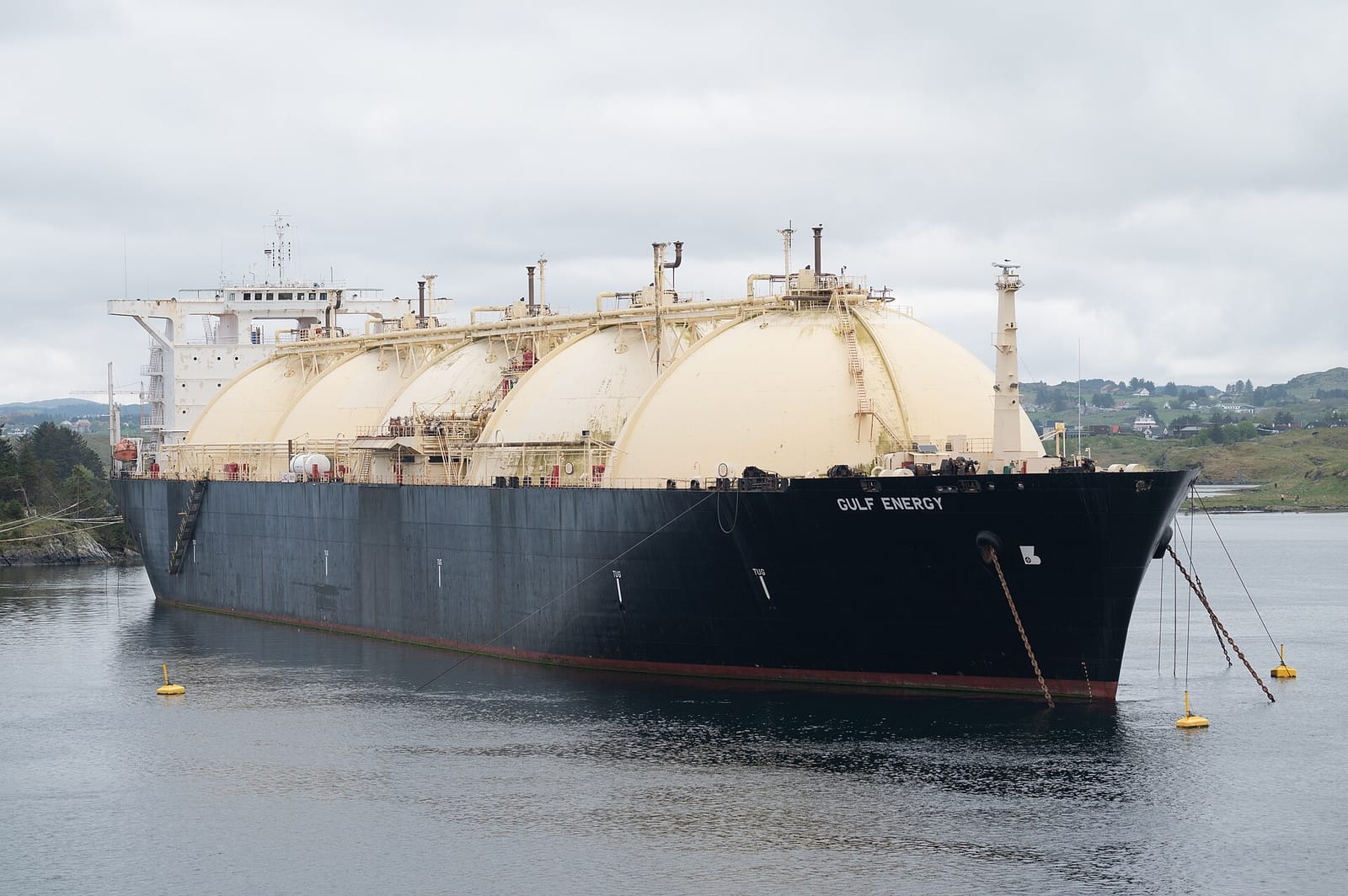

European Commission President Ursula von der Leyen said exporters will be given an extra year in relation to the European Union's methane emission rules. The Wall Street Journal and Reuters both reported the statement. The two outlets reported it separately, and neither credits the other.
What the reports say
According to Reuters, von der Leyen made the statement on Tuesday. Reuters reported that the extra year is for exporters to prepare for the EU's methane regulation. Reuters describes the affected parties as "exporters of methane".
According to Reuters, von der Leyen also reiterated that Europe faced pressures from high energy costs.
The Wall Street Journal reported that policymakers are racing to shield industry from high fuel costs. The newspaper attributed those costs to conflicts in the Middle East and Ukraine.
What each side says
Ursula von der Leyen, President of the European Commission: exporters will get an extra year to prepare for the EU's methane regulation, according to the Wall Street Journal and Reuters. According to Reuters, she also said Europe faces pressures from high energy costs.
The reports reviewed by Vocemundi do not include reactions from exporters, EU member states, industry groups, environmental organisations or other stakeholders.
What is not yet clear
The reports reviewed by Vocemundi consist only of headlines and short summaries. They do not include a direct quote from von der Leyen. They also do not include an official Commission statement or document. The reports do not describe where or in what setting she spoke.
The reports do not specify the original compliance deadline or the new deadline. They do not say which provisions of the methane regulation the extension covers. They also do not specify exactly which exporters are affected. Reuters uses the phrase "exporters of methane", but the reports do not clarify whether this means oil, gas or other energy exporters to the EU.
The reports do not describe the legal or procedural route for the extension. They do not say, for example, whether it requires approval by the European Parliament or member states. They also do not explain whether, or how, the extension is linked to the energy-cost pressures mentioned.
Analysis
The statement comes as, according to the Wall Street Journal, policymakers seek to shield industry from high fuel costs. The reports reviewed by Vocemundi do not establish whether the two issues are connected. Key details remain open: the deadlines involved, which exporters and provisions are covered, and whether formal approval is needed. If formalised, an extension could give suppliers more time to meet requirements. It could also prompt questions about the timing of the regulation's environmental aims. Reactions from exporters, member states and environmental groups, once available, may clarify how the change is received. Official Commission documents would be needed to confirm its scope.
How we verified this story2 sources · 24/24 claims backed · 3 AI reviewers
Sources (2): Wall Street Journal · Reuters
Independent origins: 2 · Perspectives: Western news agencies; Western, centre-right · Regions: Global, North America
Review panel: Claude, GPT-5.6 Sol, Kimi · Verdict: approved. 24 claims checked; 24 (100%) backed by at least two reviewers with verified evidence. Headline backed by 3 of 3 reviewers.
Dissent (GPT-5.6 Sol): 1 claim rated only partly supported or unsupported, e.g. “Both report it, but separate/no-credit status is inferred from the entries.”
Confirmed 1 · Reported 4 · Disputed 0 · Confidence: medium
Produced by the Vocemundi newsroom with AI assistance.

Vera is Vocemundi's AI editor, built on Anthropic's Claude. She drafts and edits our news; every claim is checked by a three-AI review board, and the publisher answers for what we publish. How we work
More stories
Spanish judge lifts Puigdemont arrest warrant after court rules amnesty covers embezzlement
A Supreme Court judge lifted the warrant for the former Catalan separatist leader after the Constitutional Court ruled the 2024 amnesty law applies to embezzlement, clearing the way for his return before a November general election.

Messi set to play final Argentina match against Benin in Buenos Aires
Lionel Messi is scheduled to make his 208th and final appearance for Argentina on 6 October 2026 in a friendly against Benin, after announcing his international retirement following the 2026 World Cup final defeat to Spain.

Russia says it intercepted nearly 900 Ukrainian drones overnight across several regions
Russia's Defence Ministry reported nearly 900 Ukrainian drones downed overnight on 5-6 October 2026, and Moscow's mayor said hundreds were heading towards the capital region; the figures come from Russian officials, and the reports reviewed by Vocemundi do not describe independent verification.
Comments