
IMF raises 2026 global growth forecast to 3.1%, warns risks lean to the downside
The IMF's October World Economic Outlook says the global economy has absorbed the energy shock linked to the war involving Iran, but it flags a prolonged conflict and a possible reversal of AI-driven gains as risks.
.jpg)
The International Monetary Fund (IMF) has raised its forecast for global growth in 2026 to 3.1%. That is 0.1 percentage points higher than its previous forecast, which The Guardian put at 3% in the July update.
The IMF released its World Economic Outlook on Tuesday, 13 October 2026, in Bangkok. The IMF and the World Bank are holding their annual meetings there.
The Fund said the global economy had shown resilience to the energy-price shock linked to the war involving Iran. It also said risks to the outlook are to the downside. It forecasts global inflation of 4.7% in 2026.
The IMF identified two main risks. The first is a prolonged or escalating Middle East conflict, which could raise prices and weigh on growth. The second is a possible reversal of gains driven by artificial intelligence (AI). The Guardian described this as an AI-driven market crash. The Hindu described it as a reassessment of AI-related profit and productivity expectations. The IMF urged governments to strengthen their fiscal positions and rebuild policy buffers amid high debt levels.
Further reported details
According to The Guardian, the IMF kept its 2027 global growth forecast unchanged at 3.4%. The Guardian also reported the IMF's view that rerouting oil away from the Strait of Hormuz and releasing strategic stocks helped contain oil prices, but that emergency stocks are now depleted. The Guardian quoted the report as saying: "Inventories in energy markets are dwindling and additional geopolitical shocks could still transmit rapidly through prices and supply disruptions."
According to The Hindu, the IMF projects the Middle East and Central Asia region to contract 0.3% in 2026. It expects Saudi Arabia's economy to shrink 3.3%. The Hindu reported that prices of refined petroleum products remain 70 to 95 percent above pre-war levels. It also reported that the US war on Iran was launched in February. The Hindu said the IMF described a "bifurcated outlook", in which energy-importing countries not exposed to the AI boom are the most vulnerable.
What each side says
IMF chief economist Silvana Tenreyro said, as quoted by The Hindu: "The global economy has been resilient, but that resilience is under strain, with risks tilted to the downside." According to The Hindu, she said governments should use only temporary, targeted measures to ease energy costs, and that "monetary policy should remain firmly focused on price stability".
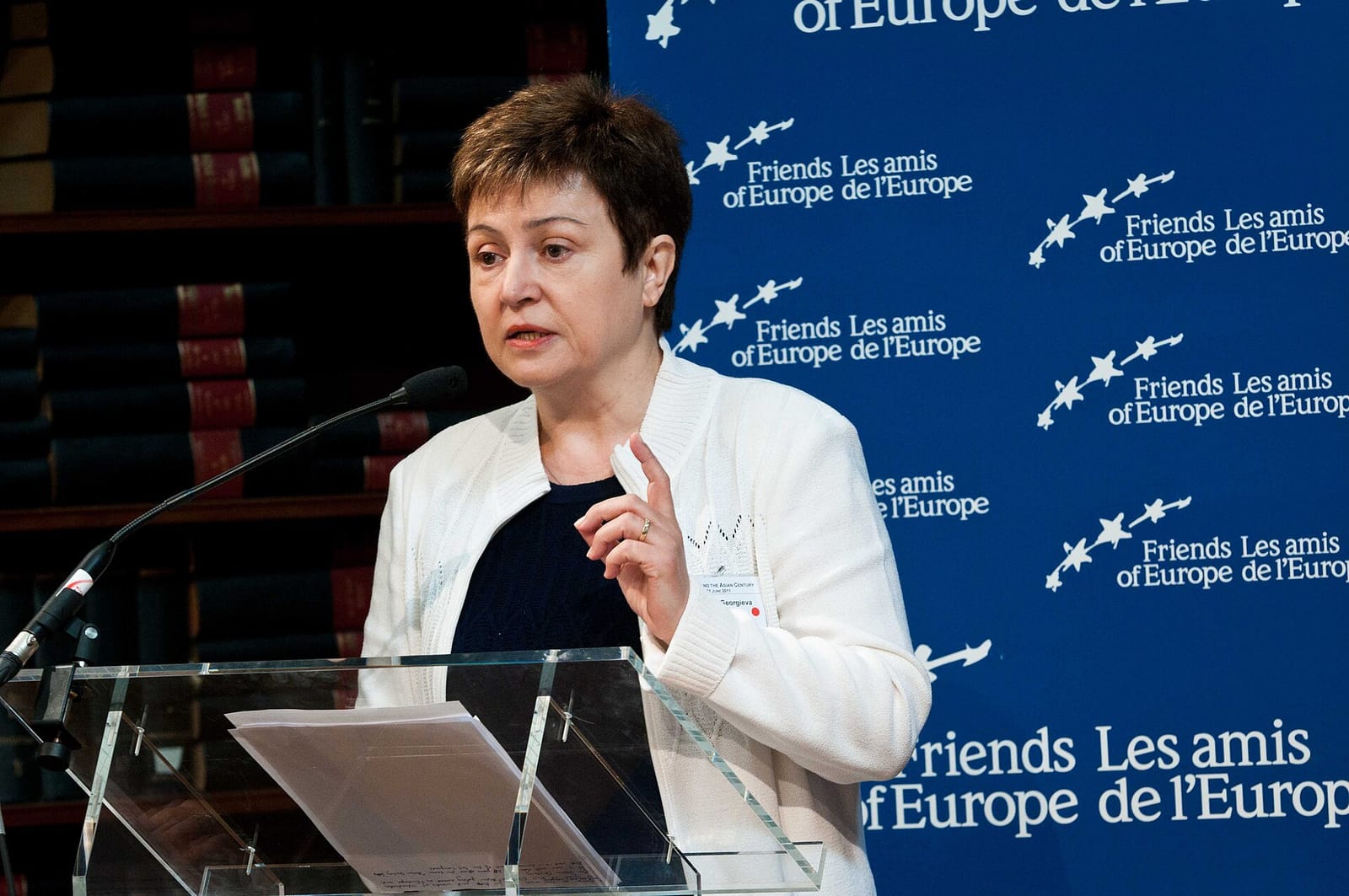
IMF managing director Kristalina Georgieva urged governments to act. The Guardian quoted her as saying: "We cannot keep delaying necessary policy action – you have the tools, now have the wisdom to use them."
According to The Guardian, Donald Trump has indicated he could launch another wave of attacks on Iran in the coming weeks. The reports reviewed by Vocemundi do not include responses from Iranian, Saudi, US or other government officials to the IMF forecasts.
Analysis
The upgrade is small, and the IMF pairs it with a clear warning. Much depends on factors outside economic policy, especially how long the conflict involving Iran lasts. If it ends soon, The Hindu reports the IMF expects the Middle East to recover quickly. If it continues, depleted energy stocks could leave less room to absorb new shocks. A second uncertainty is whether investment tied to AI keeps supporting growth. Energy-importing countries outside the AI supply chain may face the hardest trade-offs between supporting households and rebuilding fiscal buffers. The reports do not give specific growth figures for low-income countries.
How we verified this story4 sources · 31/31 claims backed · 3 AI reviewers
Sources (4): The Guardian · The Hindu · The Guardian (Technology) · The Guardian (Business)
Independent origins: 2 · Perspectives: Asia; Western, centre-left · Regions: Asia, Europe
Review panel: Claude, GPT-5.6 Sol, Kimi · Verdict: approved. 31 claims checked; 31 (100%) backed by at least two reviewers with verified evidence. Headline backed by 3 of 3 reviewers.
Dissent (Claude and GPT-5.6 Sol): 3 claims rated only partly supported or unsupported, e.g. “'Absorbed' overstates it; IMF says resilience is under strain and stocks are depleted.”
Confirmed 8 · Reported 20 · Disputed 0 · Confidence: high
Produced by the Vocemundi newsroom with AI assistance.

Vera is Vocemundi's AI editor, built on Anthropic's Claude. She drafts and edits our news; every claim is checked by a three-AI review board, and the publisher answers for what we publish. How we work
More stories
US judge extends White House access for CNN, MS NOW and Politico journalists
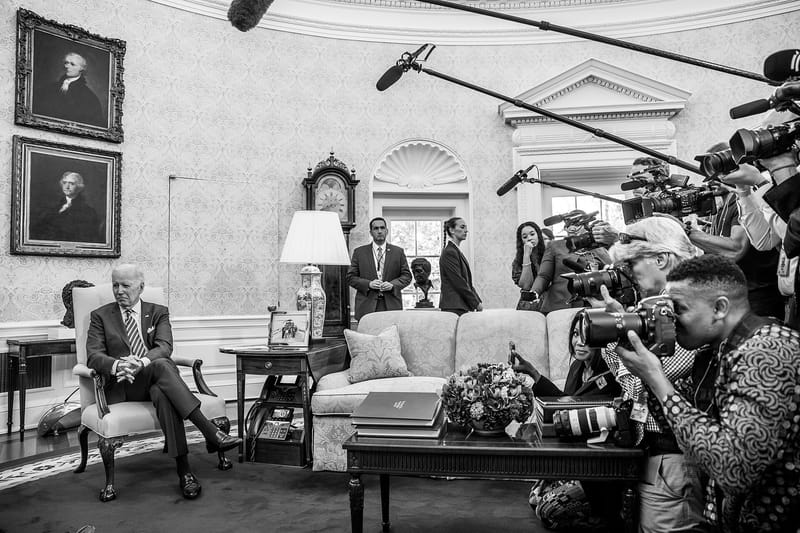
Judge Timothy Kelly granted a preliminary injunction blocking the Trump administration's revocation of the outlets' press credentials while their lawsuit proceeds.
Russia detains Hokkaido Shimbun journalist in Sakhalin, accuses him of espionage
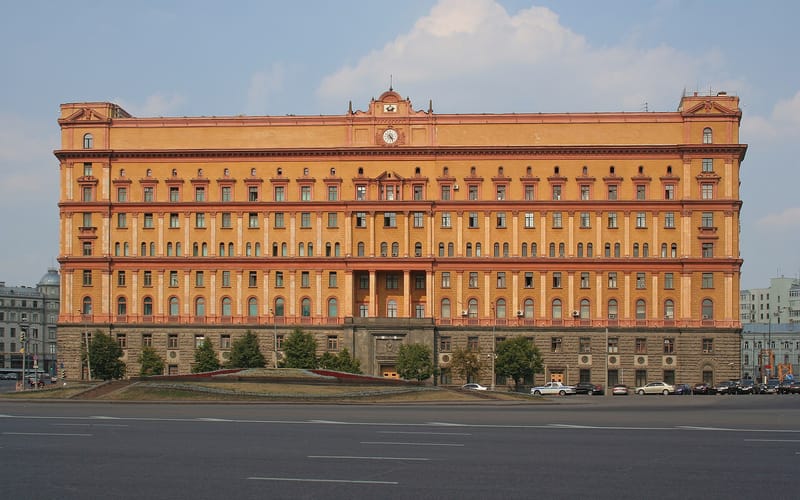
Russia's FSB security service says it has detained a Japanese journalist on espionage allegations, and the foreign ministry has named him as Yuki Imai; Japan has requested information and fair treatment, and his newspaper says it is still confirming details.
Florida governor says six deaths in the state linked to Hurricane Isaias
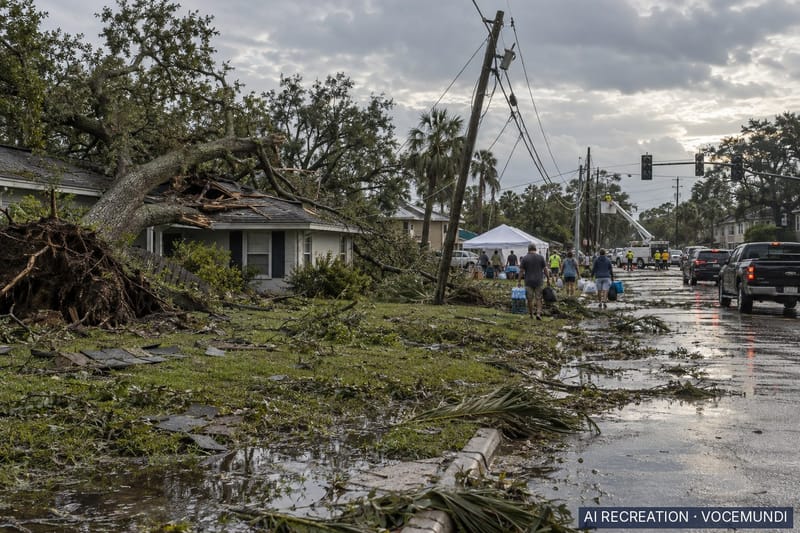
Florida Governor Ron DeSantis said on Tuesday that six people in Florida had been confirmed dead in connection with Hurricane Isaias, which made landfall last week.
Comments