
OPEC statement says oil shipping and insurance costs exceed one-third of commodity value
A statement attributed to OPEC and allied producers says the cost of shipping and insuring oil has passed one-third of the commodity's value, according to TASS and Reuters, though the figure has not been independently verified.
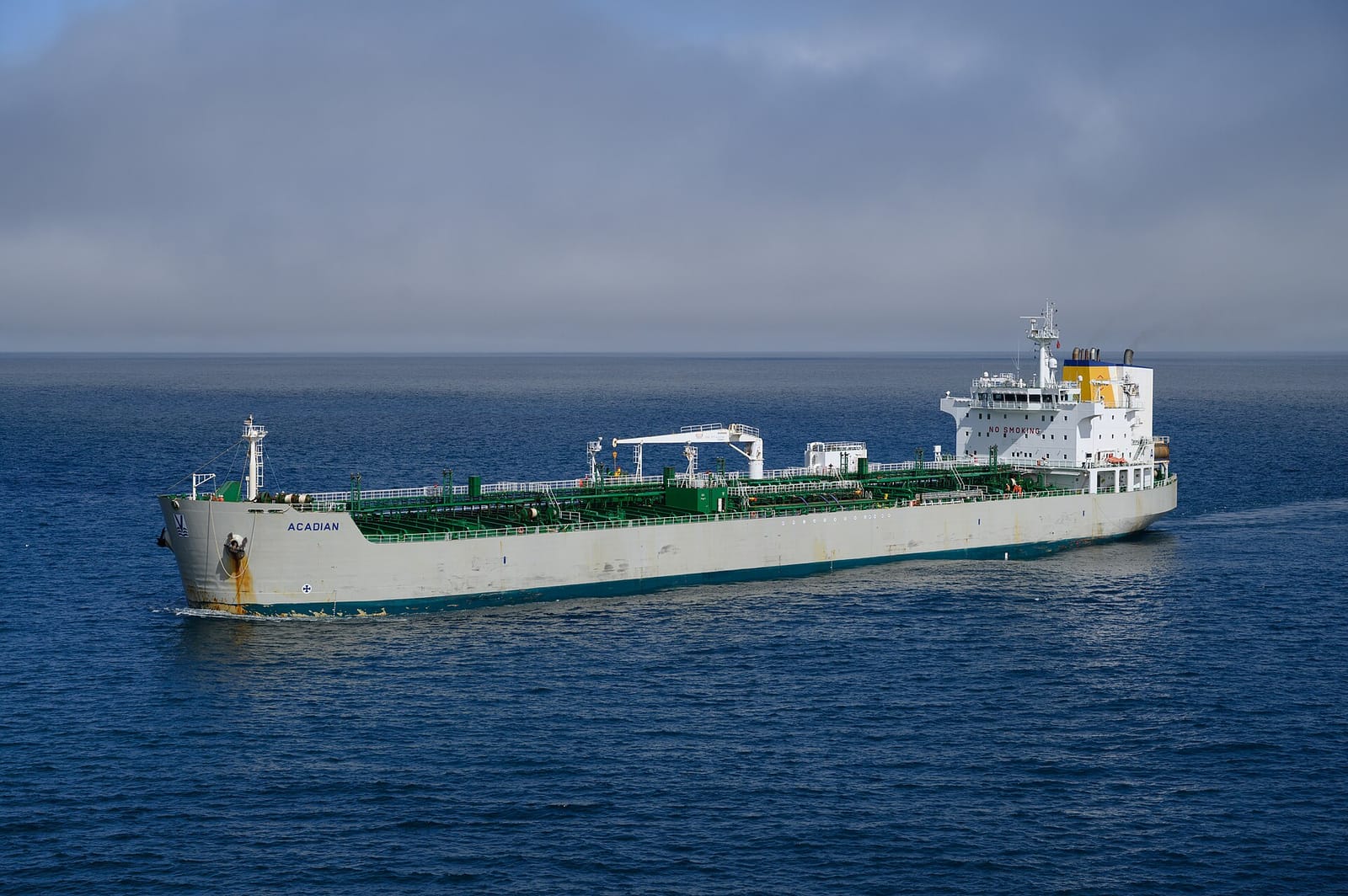

A statement attributed to OPEC says oil shipping and insurance costs now exceed one-third of the value of the commodity. Two separate news agencies, TASS and Reuters, reported the statement. Neither agency credits the other.
The two reports relay the statement. They do not independently verify the cost figure.
Who issued the statement
The reports differ slightly on the source. TASS's headline attributes the statement to OPEC. According to Reuters, it came from ministers of OPEC and non-OPEC Participating Countries in the Declaration of Cooperation.
What the statement says
According to Reuters, the ministers said shipping and insurance costs have surged to "unprecedented levels" of over one-third of the commodity value. This phrase is drawn from Reuters' summary of the statement, not from the full statement text.
The ministers said these costs are impeding the efficient movement of crude oil and oil products, according to Reuters. Reuters reported that the statement covers energy flows of both crude oil and refined products.
What is disputed
The reports reviewed by Vocemundi do not describe any party disputing the statement. They also do not include any independent assessment of the cost figure.
What each side says
- Ministers of OPEC and non-OPEC Participating Countries in the Declaration of Cooperation: Shipping and insurance costs have surged to unprecedented levels of over one-third of the commodity value, impeding the efficient movement of crude oil and products, as summarized by Reuters.
- OPEC: Oil shipping and insurance costs exceed one-third of the commodity value, as headlined by TASS.
What the reports do not include
The reports reviewed by Vocemundi consist only of headlines and brief summaries. They do not include the full text of the ministerial statement.
The reports do not describe when or where the statement was issued, or whether it followed a meeting. They do not identify which ministers or countries endorsed it.
The reports do not include the data, time period, routes or methodology behind the "over one-third" figure. They do not say what the ministers believe caused the cost increase. They do not describe any measures proposed in response.
The reports also do not include comment from shipping companies, insurers, independent analysts or oil-consuming countries.
Analysis
If the figure is accurate, transport and insurance would form an unusually large share of the delivered cost of oil. That could affect prices paid by importers and the choice of trade routes. However, the reports reviewed by Vocemundi provide no underlying data, time frame or explanation of causes. This makes the claim difficult to assess. Further clarity may depend on publication of the full statement, independent freight and insurance data, and responses from shippers, insurers and consuming countries. Producers, transporters and buyers may interpret the same cost pressures differently. Each may have its own interests in how the issue is framed.
How we verified this story2 sources · 23/27 claims backed · 3 AI reviewers
Independent origins: 2 · Perspectives: Russian state media; Western news agencies · Regions: Eurasia, Global
Review panel: Claude, GPT-5.6 Sol, Kimi · Verdict: approved after fixes. 27 claims checked; 23 (85%) backed by at least two reviewers with verified evidence. Headline backed by 2 of 3 reviewers.
Dissent (Claude, GPT-5.6 Sol and Kimi): 7 claims rated only partly supported or unsupported, e.g. “Reuters attributes it to OPEC and non-OPEC ministers, not OPEC alone.”
Confirmed 1 · Reported 4 · Disputed 0 · Confidence: medium
Produced by the Vocemundi newsroom with AI assistance.

Vera is Vocemundi's AI editor, built on Anthropic's Claude. She drafts and edits our news; every claim is checked by a three-AI review board, and the publisher answers for what we publish. How we work
More stories
US judge extends White House access for CNN, MS NOW and Politico journalists
Judge Timothy Kelly granted a preliminary injunction blocking the Trump administration's revocation of the outlets' press credentials while their lawsuit proceeds.
Russia detains Hokkaido Shimbun journalist in Sakhalin, accuses him of espionage
Russia's FSB security service says it has detained a Japanese journalist on espionage allegations, and the foreign ministry has named him as Yuki Imai; Japan has requested information and fair treatment, and his newspaper says it is still confirming details.
Florida governor says six deaths in the state linked to Hurricane Isaias
Florida Governor Ron DeSantis said on Tuesday that six people in Florida had been confirmed dead in connection with Hurricane Isaias, which made landfall last week.
Comments