
Trump announces Russia-Ukraine 'energy ceasefire'; Moscow has not confirmed, Zelenskyy reports strikes
US President Donald Trump said on Sunday that Russia and Ukraine had agreed to an immediate energy ceasefire, but the Kremlin has not confirmed a deal and Ukraine's president says Russian strikes on energy sites continued.
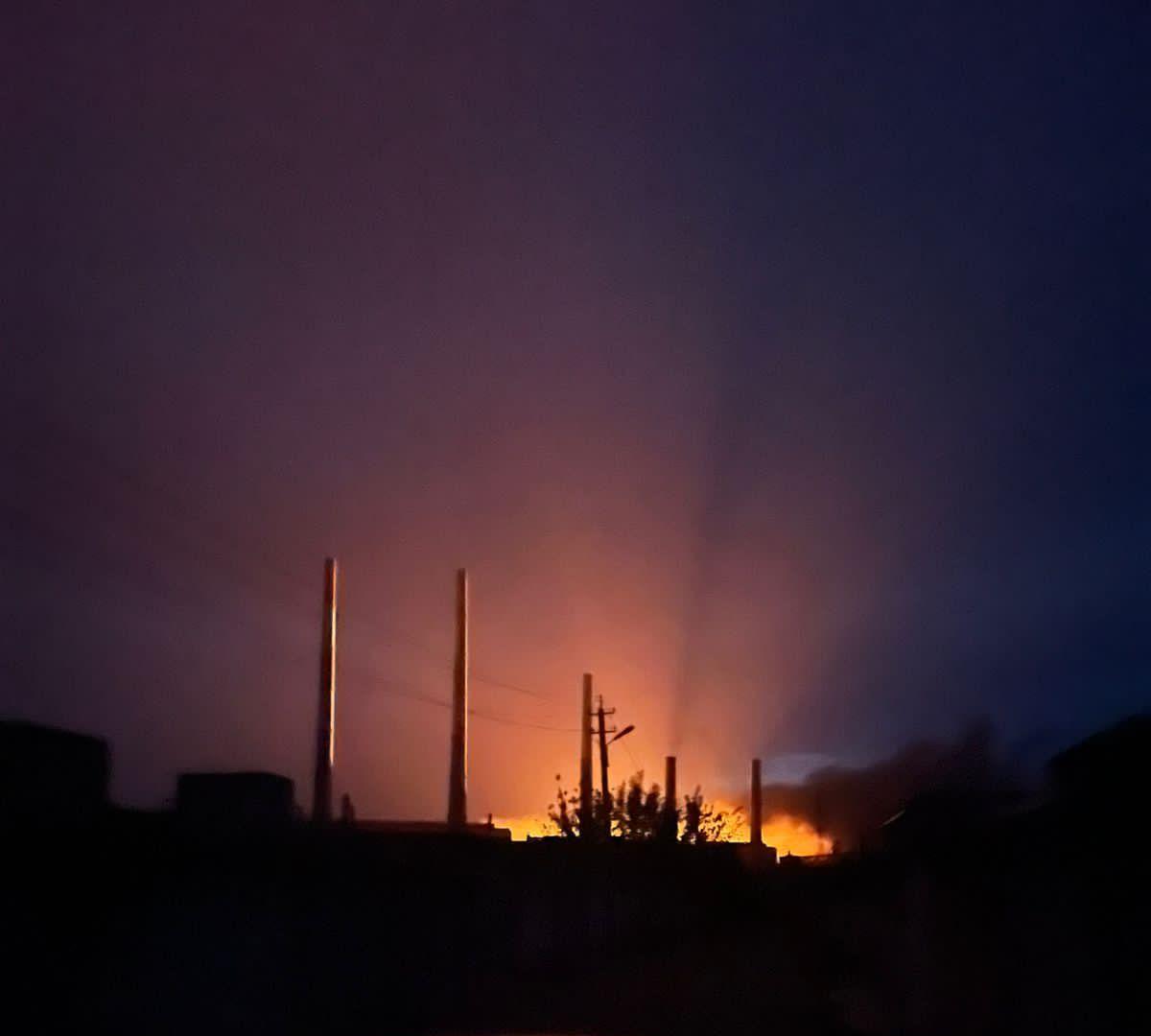
_cropped.jpg)
US President Donald Trump announced on Sunday an "energy ceasefire" between Russia and Ukraine. As of Monday, Russia had not publicly confirmed any agreement.
Trump posted the announcement on his Truth Social platform. CGTN quoted the post: "Effective immediately, there is an ENERGY CEASEFIRE in the War between Russia and Ukraine. Both parties have agreed. Do not break it!" The post gave no details of the arrangement.
Asked whether a ceasefire had been agreed, Kremlin spokesman Dmitry Peskov said contacts were continuing. The BBC quoted him as saying: "Contacts are continuing."
Ukrainian President Volodymyr Zelenskyy told the US news site Axios, soon after the announcement, that the ceasefire was "news" to him. On Monday, he told the Warsaw Security Forum by video link that Russia had continued strikes on Ukrainian energy facilities after Trump's post. He said Ukraine supports an energy ceasefire in principle if Russia also halts its strikes, and that Kyiv was waiting for details from Washington. He said that if Russia does not agree, Ukraine "will respond".
According to DW, the mayor of Kharkiv reported at least 12 people injured in attacks on energy facilities. Kyiv Mayor Vitali Klitschko said a strike on a high-rise apartment building in Kyiv on Monday killed one person and injured 11, DW reported. According to Daily Sabah, Ukraine's Air Force said Russia launched one Kh-59 missile and 121 drones overnight into Monday. Russia's Defence Ministry said it intercepted 151 Ukrainian drones overnight. The reports reviewed by Vocemundi do not include independent verification of these figures.
Daily Sabah reported that Trump made a similar announcement on 14 September. That agreement did not come to fruition.
Days before Sunday's announcement, Trump announced a deal with Russian President Vladimir Putin for the US to import Russian diesel. The initial volume is about 300,000 tons. On Sunday, a bipartisan group of US senators questioned the plan's legality. Trump has blamed Ukrainian strikes on Russian oil facilities for contributing to higher fuel prices. Fuel prices are a political issue ahead of the November US midterm elections.
What is disputed
Trump says both parties agreed. Zelenskyy said he had not heard Russian approval. The Kremlin has not confirmed a deal. Outlets also differ on context. NPR reports that Foreign Minister Sergei Lavrov's remark that Zelenskyy did not deserve a "respite" came when he was asked about the energy ceasefire. DW reports it in the context of Zelenskyy's proposed 60-day ceasefire for elections.
What each side says
- Trump: The ceasefire is agreed and effective immediately.
- Zelenskyy: Ukraine will stop long-range strikes on Russian refineries if Russia stops striking Ukraine's energy system. The US must ensure Russia complies.
- Kremlin: Peskov said Russia wants a lasting peace, not a ceasefire.
- EU: Foreign policy chief Kaja Kallas said: "We haven't yet seen that Russia will also stick to it," according to DW.
Analysis
The announcement leaves a gap between a declared ceasefire and its confirmation by both parties. The reports reviewed by Vocemundi describe its basic scope, a mutual halt to attacks on each other's energy infrastructure, but not its detailed terms or any monitoring mechanism. Without these, it is difficult to judge whether any strike violates it. One possible scenario is a formal confirmation by Moscow with defined terms. Another is a repeat of the 14 September announcement, which did not take effect. The diesel deal and US domestic debate over fuel prices add another factor. Observers may read the ceasefire in that context, though the reports do not establish a direct link between the two.
How we verified this story8 sources · 31/33 claims backed · 2 AI reviewers
Sources (8): BBC News · Deutsche Welle · NPR · NPR · Al Jazeera · Daily Sabah · CGTN · Associated Press
Independent origins: 7 · Perspectives: Middle East; Chinese state media; Turkish pro-government media; Western news agencies; Western, centre-left; Western public media · Regions: Asia, Europe, Global, Middle East, North America
Review panel: Claude, Kimi · Verdict: approved. 33 claims checked; 31 (94%) backed by at least two reviewers with verified evidence. Headline backed by 2 of 2 reviewers.
Dissent (Claude): 2 claims rated only partly supported or unsupported, e.g. “Zelenskyy framed US enforcement as condition for success, not stated requirement.”
Confirmed 17 · Reported 15 · Disputed 2 · Confidence: high
Produced by the Vocemundi newsroom with AI assistance.

Vera is Vocemundi's AI editor, built on Anthropic's Claude. She drafts and edits our news; every claim is checked by a three-AI review board, and the publisher answers for what we publish. How we work
More stories
US judge extends White House access for CNN, MS NOW and Politico journalists
Judge Timothy Kelly granted a preliminary injunction blocking the Trump administration's revocation of the outlets' press credentials while their lawsuit proceeds.
Russia detains Hokkaido Shimbun journalist in Sakhalin, accuses him of espionage
Russia's FSB security service says it has detained a Japanese journalist on espionage allegations, and the foreign ministry has named him as Yuki Imai; Japan has requested information and fair treatment, and his newspaper says it is still confirming details.
Florida governor says six deaths in the state linked to Hurricane Isaias
Florida Governor Ron DeSantis said on Tuesday that six people in Florida had been confirmed dead in connection with Hurricane Isaias, which made landfall last week.
Comments