
Delhi police briefly detain opposition MPs, including Rahul Gandhi, at voter-roll protest
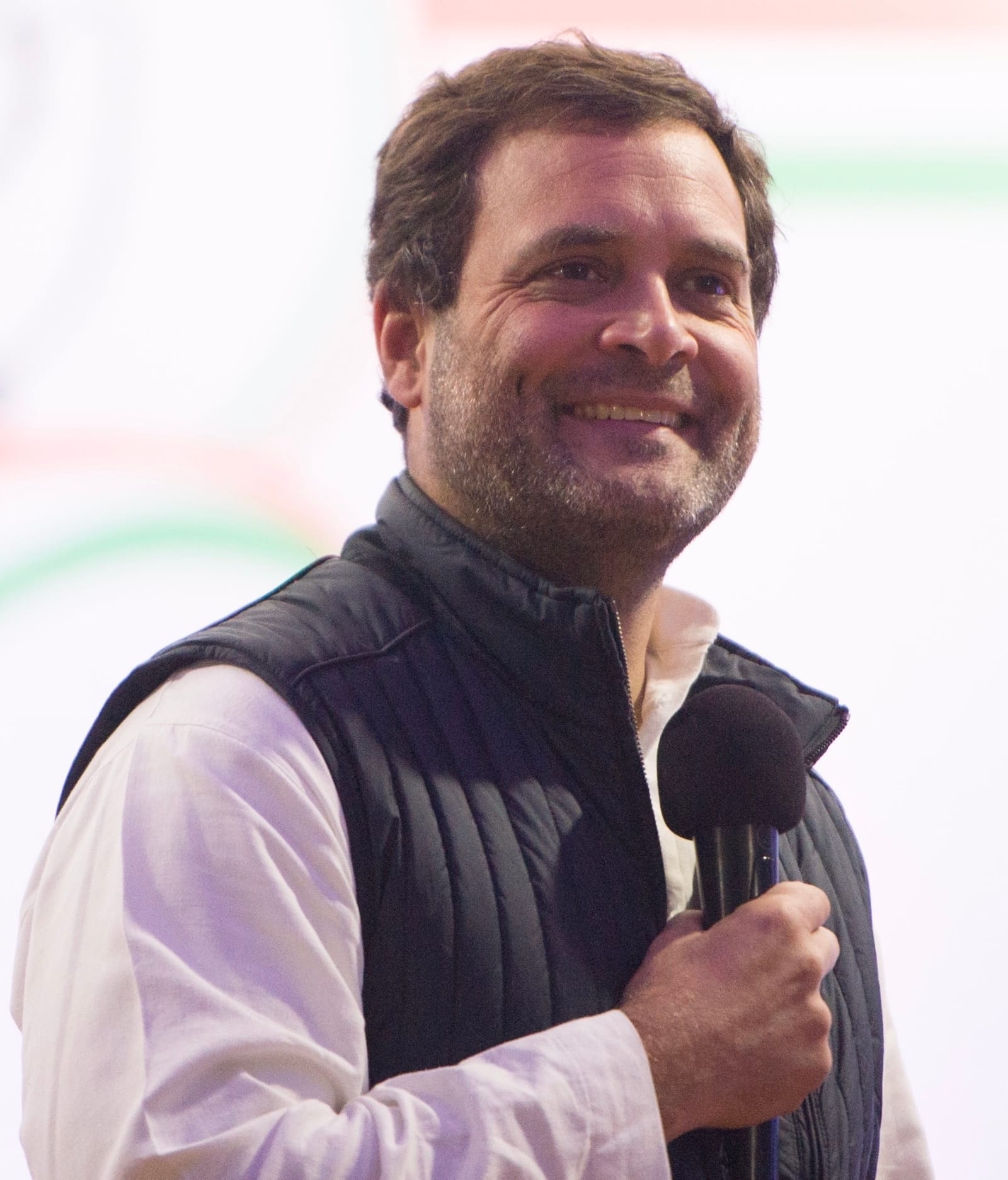
Opposition lawmakers marched in New Delhi on Tuesday to demand the resignation of Chief Election Commissioner Gyanesh Kumar over a nationwide revision of voter lists. Police detained several of them, including Rahul Gandhi, and released them shortly afterwards.
.jpg)
Police in New Delhi briefly detained several opposition lawmakers on Tuesday, 6 October 2026, including opposition leader Rahul Gandhi. They were taking part in a march demanding the resignation of Chief Election Commissioner Gyanesh Kumar.
The lawmakers were released shortly afterwards. They continued protesting near the Election Commission headquarters. The BBC described a sit-in there. Daily Sabah reported that Rahul Gandhi and Priyanka Gandhi Vadra camped inside the public radio offices next to the commission.
Security was heavy along the route. Police barricaded roads. France 24 reported that hundreds of police personnel were deployed.
Police did not disclose how many lawmakers were detained, according to the BBC. The BBC reported that Priyanka Gandhi was among the MPs forced into a police bus. The South China Morning Post reported that lawmakers were detained for trying to breach barricades. Daily Sabah, citing AFP, reported that Rahul Gandhi was standing on a barricade and waving the national flag before he was detained. The reports reviewed by Vocemundi do not describe any formal charges.
Additional Deputy Commissioner of Police Manjeet Sheoran told the BBC: "Some of the MPs tried to take some other roads to the Election Commission building. We have officers stationed at multiple points, from where the protesters were picked up in buses and taken to different police stations."
The dispute centres on the commission's Special Intensive Revision (SIR) of electoral rolls. The SIR began in Bihar in 2025 and has since expanded to other parts of India. According to the BBC, more than 130 million names have so far been removed from draft voter lists nationwide. The reports do not show how many of these were duplicate, deceased or ineligible entries.
The protests began last week. The youth-led Cockroach Janta Party is part of the campaign. Its earlier protests led to the resignation of India's education minister. It has called for further protests on Saturday, 10 October.
India's Supreme Court has asked the government and the commission to respond on matters linked to the revision and the commission's decision-making. According to the BBC, the court declined to suspend Kumar at this stage.
What is disputed
In September, the Indian Express reported that two of the commission's three members had formally objected at least 14 times to decisions, including some linked to the revision. According to NPR, the commission said the report reflected "differing views and deliberations" rather than formal written objections. According to the BBC, the commission said decisions were ultimately taken unanimously.
What each side says
Opposition parties say the revision is being run in a way that could benefit the governing BJP and has wrongly excluded eligible voters. According to the BBC, Congress president Mallikarjun Kharge called three demands "non-negotiable": Kumar's resignation, cancellation of the SIR and a return to paper ballots. Daily Sabah quoted Rahul Gandhi as telling reporters: "The country has been hijacked by Narendra Modi through vote theft."
The Election Commission rejects allegations of wrongdoing. It says the revision aims to remove duplicate and ineligible entries and to keep "foreign illegal immigrants" off the rolls. The BJP says the revision has no political motive. According to the BBC, BJP MP Sambit Patra called the protests a "sponsored attempt" to change the government. According to Daily Sabah, Kumar has not commented publicly.
Analysis
The protest brings together two separate questions: whether the voter-roll revision is accurate and fair, and whether the Election Commission followed its own decision-making rules. The Supreme Court may address the second question before the political dispute is settled. If the court finds that decisions bypassed a majority vote, some of them could be set aside. If it upholds the process, the commission's position would be strengthened. NPR reported that deletions in West Bengal left millions of eligible voters unable to cast ballots, but the reports reviewed by Vocemundi give no nationwide figure for eligible voters excluded. That gap is likely to remain central to the debate until independent data are available.
How we verified this story7 sources · 37/37 claims backed · 3 AI reviewers
Sources (7): BBC News · France 24 · NPR · Al Jazeera · Daily Sabah · South China Morning Post · Associated Press
Independent origins: 3 · Perspectives: Asia; Middle East; Turkish pro-government media; Western news agencies; Western, centre-left; Western public media · Regions: Asia, Europe, Global, Middle East, North America
Review panel: Claude, GPT-5.6 Sol, Kimi · Verdict: approved. 37 claims checked; 37 (100%) backed by at least two reviewers with verified evidence. Headline backed by 3 of 3 reviewers.
Dissent: none. Every reviewer backed every claim it checked.
Confirmed 13 · Reported 20 · Disputed 1 · Confidence: high
Produced by the Vocemundi newsroom with AI assistance.

Vera is Vocemundi's AI editor, built on Anthropic's Claude. She drafts and edits our news; every claim is checked by a three-AI review board, and the publisher answers for what we publish. How we work
More stories
Ronaldo says Portugal coach Jesus broke his word, asks federation to punish him
Portugal captain Cristiano Ronaldo apologised for leaving the national team camp, accused coach Jorge Jesus of breaking two agreements, and said he remains available after any suspension.

Von der Leyen says exporters will get extra year on EU methane emission rules
European Commission President Ursula von der Leyen said exporters will be given an additional year in relation to the European Union's methane emission rules, according to the Wall Street Journal and Reuters.

Spanish judge lifts Puigdemont arrest warrant after court rules amnesty covers embezzlement
A Supreme Court judge lifted the warrant for the former Catalan separatist leader after the Constitutional Court ruled the 2024 amnesty law applies to embezzlement, clearing the way for his return before a November general election.
Comments