
Former state broadcaster journalist crowned king of Uganda's Tooro Kingdom amid succession dispute
Edward Rukidi Nyabongo, a former journalist and editor at Uganda's state broadcaster, has been crowned king of Tooro after the death of King Oyo, while the late king's mother backs a son she says Oyo left.
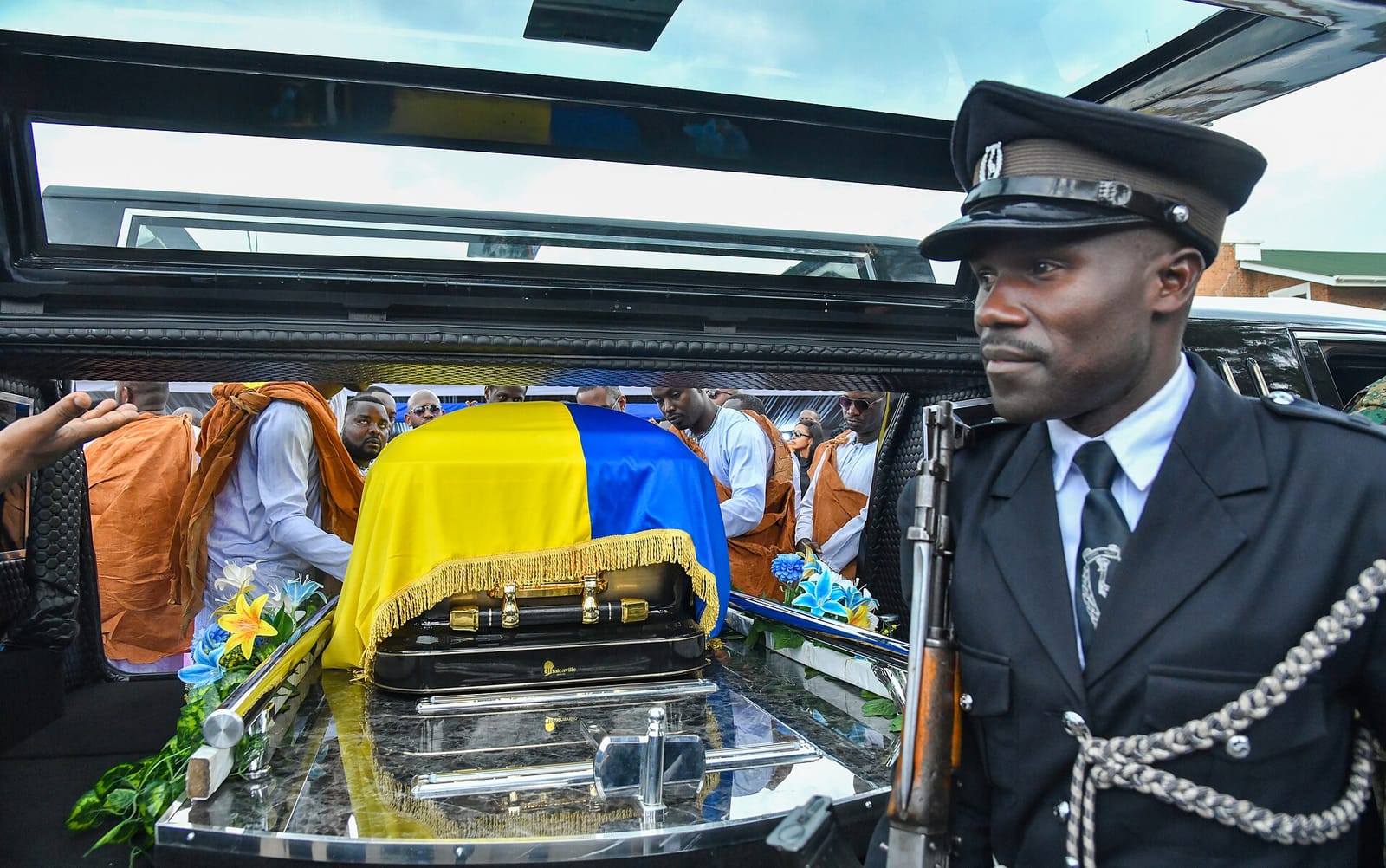

Edward Rukidi Nyabongo has been crowned king of Tooro, a traditional monarchy in Uganda. The BBC, Deutsche Welle (DW) and Al Jazeera all reported the coronation. Ugandan President Yoweri Museveni attended the ceremony.
The coronation took place on Tuesday in Fort Portal, a town in western Uganda. Nyabongo had worked as a journalist and editor for the state-run Uganda Broadcasting Corporation (UBC).
He succeeds King Oyo Kabamba Iguru Rukidi IV. Oyo died of cancer at the age of 34 in the month before the coronation. Al Jazeera places his death in August. The royal Babiito clan (spelled "Babito" by DW) selected Nyabongo from a group of eligible princes.
Uganda's traditional monarchs hold no political or constitutional power. They retain cultural influence.
In his first speech as king, according to DW, Nyabongo spoke about his duty to his people and their heritage. DW quoted him as saying: "We have a big task to protect our culture, our traditions and customs and good conduct among our people." Al Jazeera reported that, in a short address, Nyabongo promised to be a unifying figure.
Further reported details
According to DW, the new king is 56. His regnal name is Nyabongo I. Before the coronation, his name was Edward Rukidi Kiganangoma. DW reports that Oyo died while receiving cancer treatment in the United States. It describes the death as unexpected. DW also reports that Oyo became king at the age of three. According to DW, the rituals included a mock battle and animal sacrifices. The ceremony was televised and drew thousands of people.
According to Al Jazeera, Nyabongo was not high in the line of succession. Al Jazeera also reports that Uganda's kingdoms were abolished in the 1960s and restored in 1993. Cultural monarchs are barred from partisan politics.
What is disputed
The main dispute is whether Oyo left an heir. The queen mother, Best Kemigisa, says Oyo left a young son. According to Al Jazeera, she says his identity will be revealed "at the right time". DW describes the son as undisclosed. Al Jazeera reports that Oyo died "reportedly without a publicly acknowledged heir". It adds that the prospect of a "Baby Oyo" has stirred supporters on social media and raised questions over the legitimacy of the coronation.
The reports do not identify the son or describe any evidence for the claim. They do not say whether the challenge has been pursued through any formal, legal or customary process. The outlets also spell part of Oyo's name differently: "Kyimba" (DW) and "Nyimba" (Al Jazeera).
What each side says
- Babiito clan elders selected Nyabongo as heir from a pool of eligible princes.
- Queen mother Best Kemigisa challenges that decision. She says Oyo's son should be the next monarch.
- King Nyabongo I: DW quoted him as telling the New Vision newspaper: "My family never let me treat royal descent as an entitlement." Al Jazeera cited him as telling the same paper that "heritage must be matched by discipline and hard work".
- President Museveni expressed sadness over Oyo's death and congratulated Nyabongo, according to DW. DW quoted him as saying: "...his Highness Nyabongo. I have been watching him on the news and he is a good newsreader. I am sure he will do a good job." According to Al Jazeera, he urged traditional leaders to promote local languages.
The reports do not include any statement from the Tooro palace, the Babiito clan or the Ugandan government on the succession dispute.
Analysis
The coronation settles who holds the Tooro throne for now, but the queen mother's claim leaves a question over the succession. Much may depend on whether the son she describes is identified, and whether her challenge moves into a formal, legal or customary process. The reports reviewed by Vocemundi do not show that it has. Because Uganda's monarchs hold no constitutional power, the dispute is mainly about cultural legitimacy and unity within the kingdom. The president's attendance signals state recognition of the ceremony. It does not by itself resolve questions within the royal family or the clan.
Traceability
Sources (3): BBC News · Deutsche Welle · Al Jazeera
Independent origins: 3 · Perspectives covered: middle-east, west-public
Confirmed: 9 · Reported: 13 · Disputed: 2 · Confidence: high
Review: 3 AI reviewers (Claude, GPT-5.6 Sol, Kimi) · 34/34 claims backed by 2+ reviewers with verified evidence · 0 errors · approved
Drafted: 2026-09-30 10:02 UTC
Produced by the Vocemundi newsroom with AI assistance.
More stories
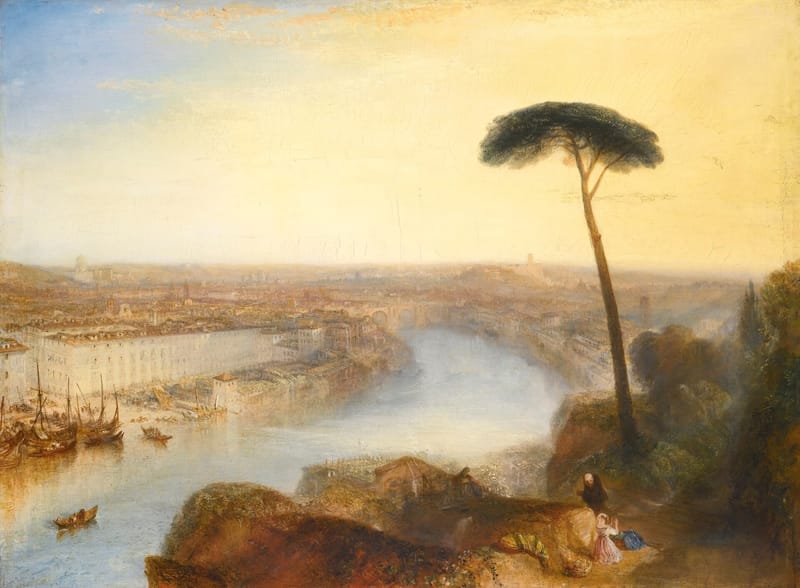
Turner's 'Rome, from Mount Aventine' on display in Rome ahead of London auction
JMW Turner's panoramic view of Rome is back in the city after nearly 200 years for a three-day showing, before a December sale in London at which Sotheby's expects it to fetch around £50 million.
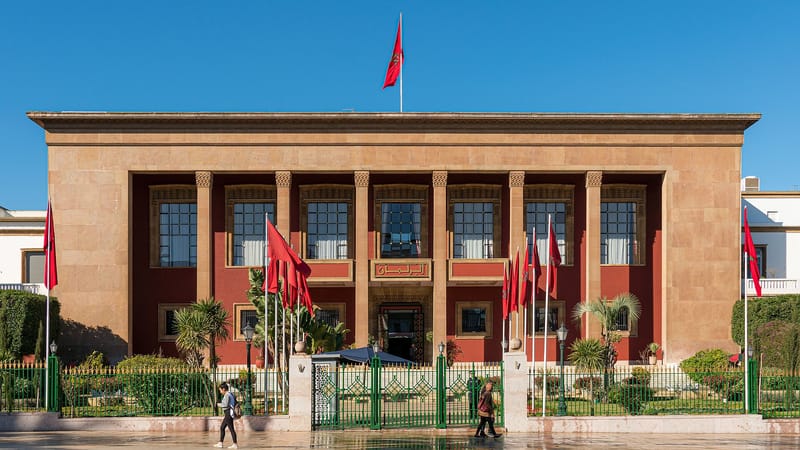
Morocco's king appoints Fatima Zahra Mansouri as country's first woman prime minister
King Mohammed VI named Mansouri, coordinator of the Authenticity and Modernity Party's (PAM) collective leadership, prime minister on 29 September 2026 and asked her to form a government after PAM won the most seats in the previous week's parliamentary elections.

Dangote's $16bn Kenya refinery breaks ground, BBC reports, amid court land dispute
Aliko Dangote's planned 700,000-barrel-a-day refinery in Lamu reached its groundbreaking stage, while residents contest the land in court and a ruling pauses site activities until a 14 October hearing.
Comments