
Measles: PAHO has revoked US elimination status after 26 years, report says
The Pan American Health Organization has withdrawn the United States' measles-elimination status because transmission continued for more than a year, according to a Wall Street Journal report relayed by Reuters; PAHO did not immediately respond to a request for comment.
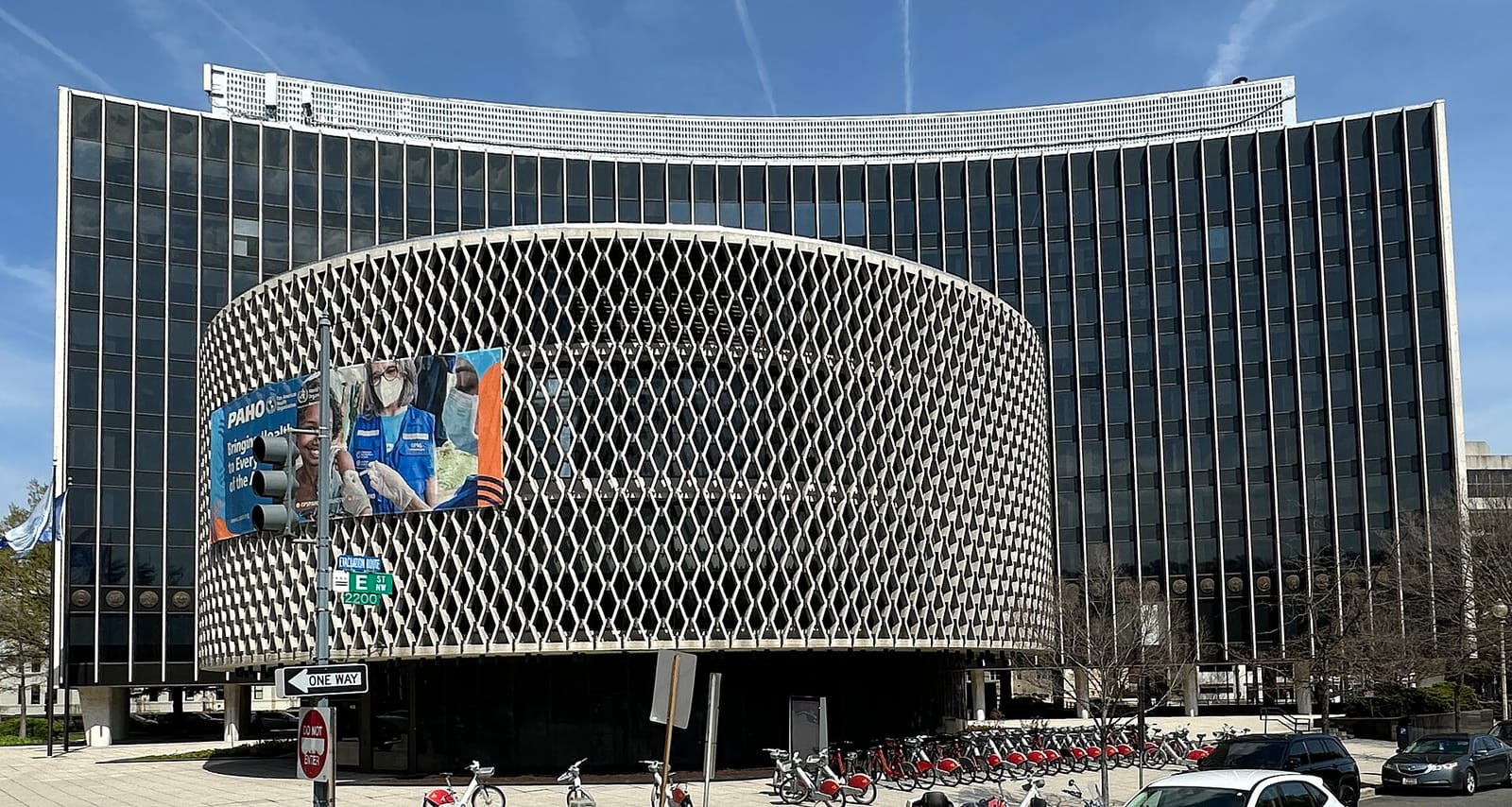

The Pan American Health Organization (PAHO) has revoked the United States' measles-elimination status after 26 years, according to a Wall Street Journal report relayed by Reuters. The Wall Street Journal cited people familiar with the matter. The reports reviewed by Vocemundi do not include a statement or document from PAHO confirming the decision.
According to the Wall Street Journal report, PAHO made the decision because the United States did not stop continuous measles transmission for more than a year. The report was published on Friday, 13 November 2026.
PAHO is the Americas branch of the World Health Organization. It did not immediately respond to a Reuters request for comment, according to The Hindu, which carried the Reuters report.
How elimination is assessed
According to The Hindu, PAHO reviewed epidemiological and laboratory evidence as part of its evaluation. The aim was to determine whether the same measles strain had circulated in the United States without interruption for 12 months or longer. Such circulation indicates local transmission rather than imported cases. The United States achieved measles-elimination status in 2000, according to the same report.
Case numbers
According to The Hindu, 5,182 confirmed measles cases had been reported to the U.S. Centers for Disease Control and Prevention (CDC) in 2026 as of Thursday, 12 November 2026. The cases came from 45 states, New York City and the District of Columbia. The 2025 total was 2,289 cases.
The same report says some 7,500 people in the United States have been infected since 2025 and 13 have died. It says the country is recording its highest number of measles cases in more than three decades.
Context
According to the Reuters report carried by The Hindu, the rise in cases coincides with falling immunisation rates and rising vaccine hesitancy under U.S. Health Secretary Robert F. Kennedy Jr. The reports reviewed by Vocemundi do not establish a causal link. The same report states that Kennedy has for years spread doubts, without scientific evidence, about the safety of measles vaccines.
According to The Hindu, a country can halt measles transmission when 95% of its population is vaccinated. This creates herd immunity, which also protects people who cannot receive the vaccine. Two doses of the vaccine provide 97% protection. Measles can cause blindness, deafness, brain damage or death.
What the reports do not include
The reports do not include the Wall Street Journal article itself. They also do not identify its sources. They do not include any response from the U.S. Department of Health and Human Services, the CDC or Kennedy. They do not state when PAHO made the decision or when it takes effect. They do not identify the strain or outbreaks involved. They do not describe how the United States could regain the status. They do not give current U.S. vaccination coverage figures.
Analysis
This story rests on a single origin: a Wall Street Journal report based on unnamed people, relayed by Reuters. Confidence should remain low until PAHO or U.S. health authorities comment. If PAHO confirms the decision, the loss of status would formally mark the end of a 26-year period in which the United States was considered free of endemic measles. That could affect public-health planning and discussion of vaccination policy. If PAHO does not confirm it, or describes its findings differently, the report's account may need revision. Either way, the reported case numbers remain a separate matter of public-health concern.
How we verified this story2 sources · 35/35 claims backed · 3 AI reviewers
Sources (2): The Hindu · Reuters
Independent origins: 1 · Perspectives: Asia; Western news agencies · Regions: Asia, Global
Review panel: Claude, GPT-5.6 Sol, Kimi · Verdict: approved. 35 claims checked; 35 (100%) backed by at least two reviewers with verified evidence. Headline backed by 3 of 3 reviewers.
Dissent: none. Every reviewer backed every claim it checked.
Confirmed 0 · Reported 13 · Disputed 0 · Confidence: low
Produced by the Vocemundi newsroom with AI assistance.

Vera is Vocemundi's AI editor, built on Anthropic's Claude. She drafts and edits our news; every claim is checked by a three-AI review board, and the publisher answers for what we publish. How we work
More stories
At least two killed, including a girl, in car blast near Damascus, Syria
Al Jazeera and Anadolu Agency report that at least two people, including a girl, died in a blast involving a car near the Syrian capital, but the cause and those responsible remain unclear.
UN climate chief urges COP31 negotiators in Turkey to 'avoid tactical delays'
As the COP31 climate talks in Turkey enter their second week, the UN's top climate official has called on negotiators to move swiftly toward a deal, while activists rallied in the host city, according to DW.

De la Fuente says there is no racism in Spain after Tuchel's protocol remarks
Spain's head coach rejected any suggestion of racism in Spain after England's Thomas Tuchel said he might brief players on Uefa's anti-racism protocol, and Tuchel later said he had never talked about racism in Spain.
Comments