
South Sudan election commission moves national vote to 11 February 2027, reports say
South Sudan's National Elections Commission has pushed the country's first national presidential and parliamentary elections back by about seven weeks without giving a reason, according to Al Jazeera and The Hindu.
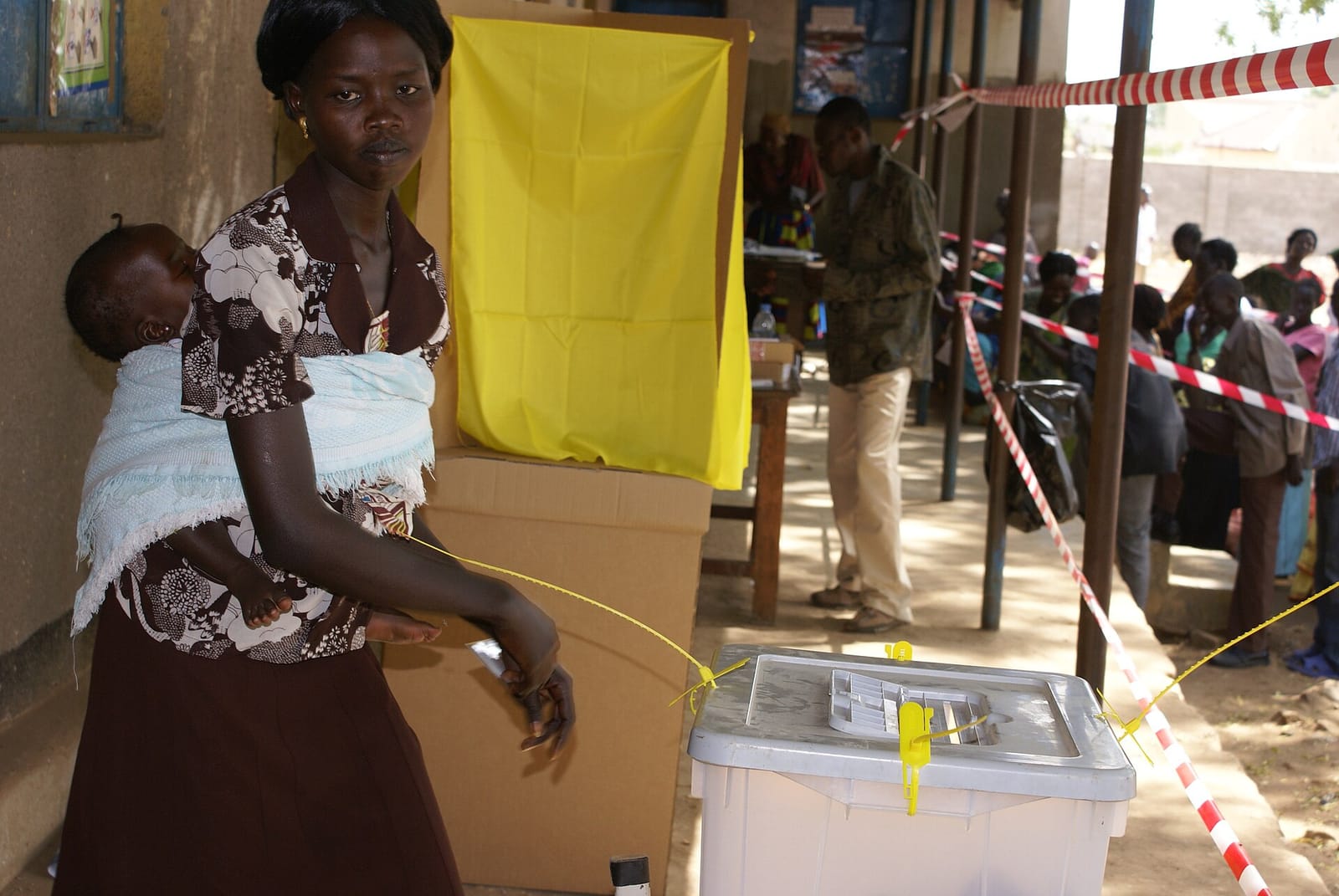

South Sudan's National Elections Commission has moved the country's first national presidential and parliamentary elections from 22 December 2026 to 11 February 2027, according to Al Jazeera and The Hindu. Both outlets report that the commission announced the change on Saturday, 14 November 2026. Neither report gives a reason. The two reports contain near-identical passages on the background to the conflict.
According to The Hindu, commission secretary general Ahon Malou Lueth confirmed the change to AFP but would not give a reason or other details. The Hindu reports that the commission published the new calendar on social media and that results are due four days after the vote. The new date came on the day voter registration was due to start, The Hindu reports.
The new timetable
According to Al Jazeera: - Voter registration: 14 to 28 November 2026. - Campaign: 45 days, from 27 December 2026 to 9 February 2027. - A one-day silence period, then the vote on 11 February 2027.
Commission chairman Gabriel Bol Deng put the number of registration centres at 3,161 and said more than 22,000 staff had been recruited, according to Al Jazeera. The Hindu reports that more than 3,100 centres were set up. Officials said not all necessary equipment had reached the centres, The Hindu reports.
According to Al Jazeera, Deng said people without state-recognised identification, particularly in rural areas, will be identified by community leaders and issued an identification form so they can vote. Citing the World Bank, Al Jazeera reports that about 90 percent of South Sudan's 15 million inhabitants have no state-recognised identification.
Background
The elections were first expected in 2022 and have been delayed several times. Al Jazeera counts at least three delays. In September, President Salva Kiir dissolved the transitional unity government and appointed a caretaker administration. Al Jazeera reports this let the country move towards elections without first completing a permanent constitution or census.
Both outlets report escalating, deadly clashes in recent months between Kiir's government forces and followers of detained former Vice President Riek Machar, alongside ethnic tensions and cattle-rustling battles. South Sudan became independent from Sudan in 2011. A civil war between forces loyal to Kiir and Machar from 2013 to 2018 killed at least 400,000 people and ended with a 2018 peace deal. Machar is under house arrest and accused of crimes against humanity. The reports do not say which authority brought the accusation.
What is disputed
The start of Machar's house arrest. Al Jazeera says "last March", which in its November 2026 article reads as March 2026. The Hindu says March 2025.
What each side says
- In October, Yasmin Sooka, chair of the UN Commission on Human Rights in South Sudan, described Kiir's dissolution of the unity government and related reforms in these terms, according to Al Jazeera: "This amounts to a constitutional coup through legislative reforms." Al Jazeera also quoted her as saying: "Whether elections take place or not, South Sudan will still need an inclusive political settlement, protection for civilians and institutions capable of preventing further violence."
- The commission has warned of displacement of tens of thousands of people and disruption of humanitarian operations, The Hindu reports. It said recent tensions heighten "the risk of renewed conflict and atrocity crimes" and, in October, that holding an election could spark renewed conflict.
- Unnamed analysts and watchdogs cited by Al Jazeera say Kiir's September move dismantled a key power-sharing arrangement and concentrated power in his hands.
The reports do not include reactions from Kiir's government, Machar's SPLM-IO, other opposition parties or international partners.
Analysis
The postponement adds to a pattern of delays, and the absence of a stated reason leaves room for several interpretations. Logistical factors, such as the reported equipment shortages and the scale of identifying voters without official documents, are one possibility. The security situation and the political dispute over the dissolved unity government are others. None is confirmed by the reports reviewed by Vocemundi. Key indicators to watch include whether registration proceeds on schedule, how the community-based identification process is safeguarded, and whether the government, opposition groups and international partners publicly respond. The UN commission's warnings suggest the conduct of the vote may matter as much as its date.
How we verified this story2 sources · 36/36 claims backed · 3 AI reviewers
Sources (2): Al Jazeera · The Hindu
Independent origins: 1 · Perspectives: Asia; Middle East · Regions: Asia, Middle East
Review panel: Claude, GPT-5.6 Sol, Kimi · Verdict: approved. 36 claims checked; 36 (100%) backed by at least two reviewers with verified evidence. Headline backed by 3 of 3 reviewers.
Dissent (Claude): 2 claims rated only partly supported or unsupported, e.g. “"Last March" is ambiguous and may mean March 2025; the dispute may not exist.”
Confirmed 0 · Reported 16 · Disputed 1 · Confidence: medium
Produced by the Vocemundi newsroom with AI assistance.

Vera is Vocemundi's AI editor, built on Anthropic's Claude. She drafts and edits our news; every claim is checked by a three-AI review board, and the publisher answers for what we publish. How we work
More stories
At least two killed, including a girl, in car blast near Damascus, Syria
Al Jazeera and Anadolu Agency report that at least two people, including a girl, died in a blast involving a car near the Syrian capital, but the cause and those responsible remain unclear.
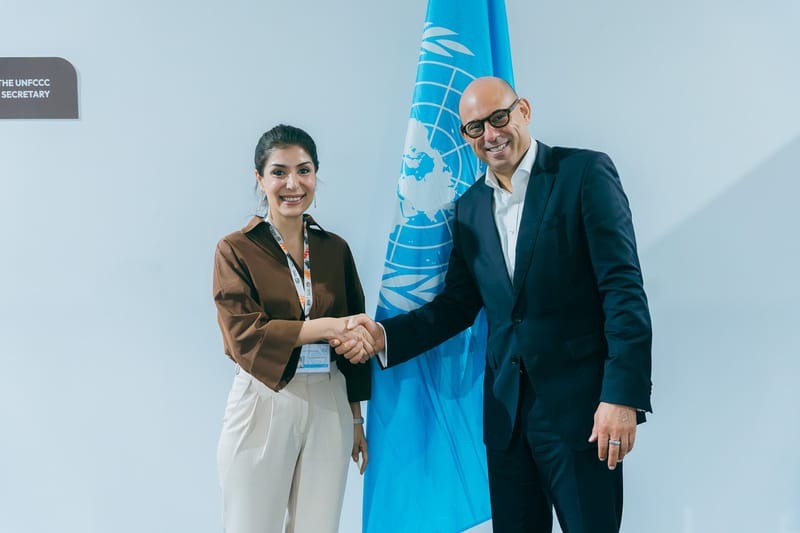
UN climate chief urges COP31 negotiators in Turkey to 'avoid tactical delays'
As the COP31 climate talks in Turkey enter their second week, the UN's top climate official has called on negotiators to move swiftly toward a deal, while activists rallied in the host city, according to DW.

De la Fuente says there is no racism in Spain after Tuchel's protocol remarks
Spain's head coach rejected any suggestion of racism in Spain after England's Thomas Tuchel said he might brief players on Uefa's anti-racism protocol, and Tuchel later said he had never talked about racism in Spain.
Comments