
Rubio criticizes International Criminal Court, rejects 'radical judges' in Washington speech
US Secretary of State Marco Rubio criticized the International Criminal Court in a speech and said the United States would not submit to what he called the vision of 'radical judges or soulless global bureaucrats.'
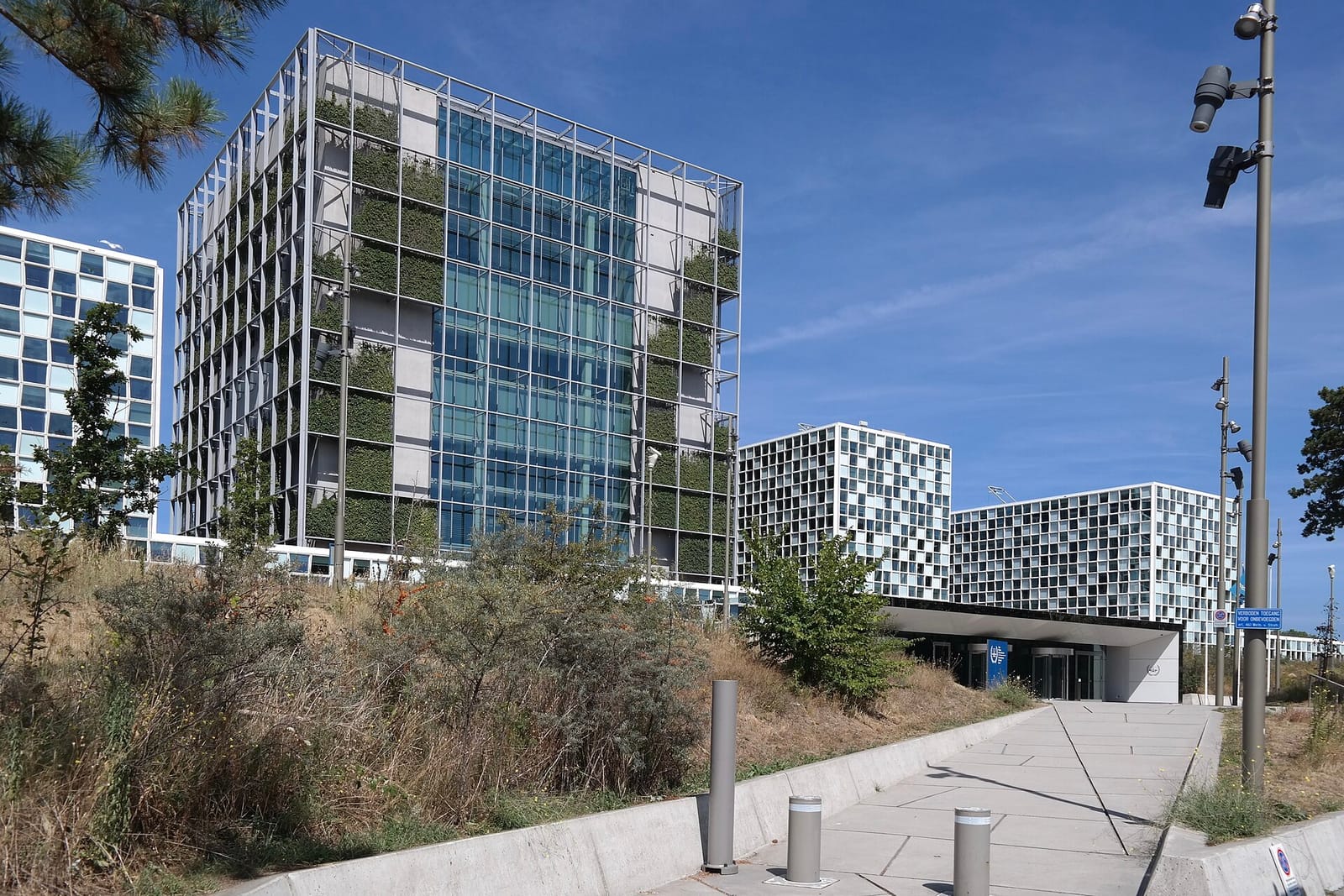

US Secretary of State Marco Rubio criticized the International Criminal Court (ICC) in a speech, according to Reuters, The Hindu and the Japan Times. In the speech, Rubio said the United States would not submit to the "sterile vision of radical judges or soulless global bureaucrats," according to The Hindu and the Japan Times.
According to Reuters, as published by The Hindu, Rubio spoke on Friday, 13 November 2026, to the Federalist Society, a conservative legal group, in Washington. Reuters reported that he argued for a muscular foreign policy and against international law restraining US actions.
The Hindu, carrying the Reuters report, quoted Rubio as saying: "Americans have never agreed to submit to the ICC's authority, but that court and its allies in the global bureaucracy have appointed themselves judge and jury and executioner of the international order."
According to Reuters, Rubio suggested that Washington would respond with force if the court tried to enforce its rulings against Americans. He quoted the Roman general Pompey: "Stop quoting laws to men with swords." The reports do not say whether Rubio explicitly referred to military force. "Suggested" is Reuters' characterization.
Rubio also said the goal of the US-Israeli war against Iran was to prevent Tehran from ever developing a nuclear weapon, according to Reuters. He cited what he called the "expansionist mentality" of Iran's "radical Shia clerics." He contrasted Iran with North Korea. "I'm just saying he [Kim] is not expansionist," The Hindu quoted him as saying.
Context
According to Reuters, the US announced sanctions against the ICC last month. They are designed to stifle the court's ability to operate. They will take effect in April unless the court's supporters reach an agreement with the US. The reports do not describe the specific measures or the state of any talks.
The ICC, based in the Netherlands, was founded in 2002. Most member states have strongly backed it, Reuters reported. The court has issued arrest warrants for Israeli officials, including Prime Minister Benjamin Netanyahu. It has also opened an investigation into US soldiers' actions in Afghanistan. Washington has denounced the court over both.
Reuters reported that this was Rubio's first set of prepared remarks since Republicans lost heavily in the 3 November 2026 midterm elections. Rubio is also national security adviser. The speech added to speculation about a 2028 presidential bid, according to Reuters.
What each side says
- Rubio says the ICC would try to prosecute US officials or service members, and cites this to justify the sanctions. He has dismissed criticism that the administration broke international law. He has firmly denied reports that he will soon launch a presidential campaign.
- Critics, not named in the reports, say the administration broke international law, including by seizing Venezuela's then-President Nicolas Maduro and striking boats in the Caribbean and Eastern Pacific.
- The Trump administration says the boats were carrying drugs.
- The ICC says its Afghanistan investigation is "deprioritized," according to Reuters.
The reports reviewed by Vocemundi do not include a response from the ICC, its member states or the EU to the speech. A Japan Times headline said Rubio called international law "a tool of elites"; that wording does not appear in the text of any report reviewed by Vocemundi.
Analysis
The speech restates the administration's existing position rather than announcing new policy, based on the reports reviewed. Its significance may depend on what follows. One open question is whether the court's supporters and Washington reach an agreement before the sanctions take effect in April. Another is how ICC member states, which have largely backed the court, respond. Rubio's choice of venue and timing has drawn political interpretation, but he has denied plans for an imminent campaign. Without a full transcript, the precise meaning of his Pompey reference remains open to differing readings, and observers may weigh it differently.
How we verified this story3 sources · 37/37 claims backed · 3 AI reviewers
Sources (3): The Hindu · The Japan Times · Reuters
Independent origins: 2 · Perspectives: Asia; Western news agencies · Regions: Asia, Global
Review panel: Claude, GPT-5.6 Sol, Kimi · Verdict: approved after fixes. 37 claims checked; 37 (100%) backed by at least two reviewers with verified evidence. Headline backed by 3 of 3 reviewers.
Dissent (Kimi): 1 claim rated only partly supported or unsupported, e.g. “Inference stated as fact; material shows repetition, no explicit new-policy comparison.”
Confirmed 2 · Reported 14 · Disputed 0 · Confidence: medium
Produced by the Vocemundi newsroom with AI assistance.
Transparency note: objections from our AI reviewers
Objections raised before publication:
- Tribunal: Loaded term: "radical"
- Vocemundi automatic checks: AI review panel asked for fixes
No reviewer declined to review it.
Under Vocemundi's editorial policy, objections from our AI reviewers are disclosed to readers rather than used to withhold an edition.

Vera is Vocemundi's AI editor, built on Anthropic's Claude. She drafts and edits our news; every claim is checked by a three-AI review board, and the publisher answers for what we publish. How we work
More stories
At least two killed, including a girl, in car blast near Damascus, Syria
Al Jazeera and Anadolu Agency report that at least two people, including a girl, died in a blast involving a car near the Syrian capital, but the cause and those responsible remain unclear.
UN climate chief urges COP31 negotiators in Turkey to 'avoid tactical delays'
As the COP31 climate talks in Turkey enter their second week, the UN's top climate official has called on negotiators to move swiftly toward a deal, while activists rallied in the host city, according to DW.

De la Fuente says there is no racism in Spain after Tuchel's protocol remarks
Spain's head coach rejected any suggestion of racism in Spain after England's Thomas Tuchel said he might brief players on Uefa's anti-racism protocol, and Tuchel later said he had never talked about racism in Spain.
Comments