
India pushes back after Musk suggests Ambani is blocking Starlink's launch
Elon Musk publicly suggested that billionaire Mukesh Ambani is holding up Starlink's entry into India, and Indian officials rejected the claim, saying the approval process is fair and that India does not allow monopolies.
.jpg)
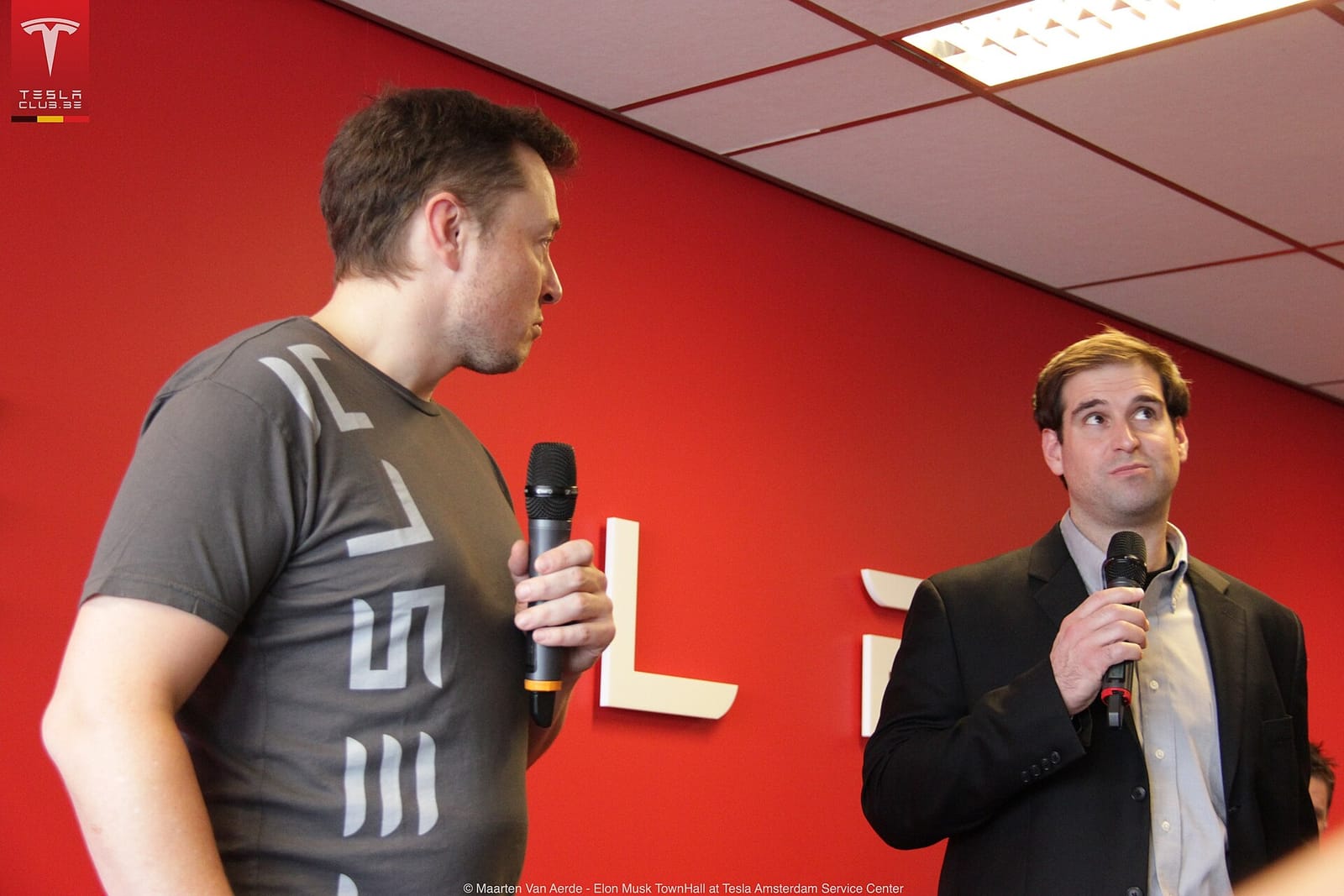
Elon Musk has publicly suggested that Indian billionaire Mukesh Ambani is blocking Starlink's launch in India. The Indian government has pushed back against his allegations. Starlink has not yet launched commercial services in India. The BBC and Reuters both reported these points.
According to the BBC, Musk first posted on X on Wednesday, accusing unnamed "certain oligarchs" of blocking Starlink's entry. "You can guess who they are," he wrote, according to the BBC. On Thursday, he named Ambani. "Starlink is licensed in over 165 countries and has spent five years complying with every single law and requirement of the government of India, so why still no license? Is Ambani the real boss of India?" Musk wrote, the BBC reported.
Ambani's Reliance conglomerate owns Jio, which the BBC describes as India's biggest mobile network operator.
According to the BBC, India's Ministry of Communications said on Thursday that three operators were at broadly the same stage of approval: Starlink, Eutelsat OneWeb and Jio Satellite Communications. All three are awaiting security clearances and spectrum allocation. The BBC said the ministry did not name Musk directly. On Friday, India's telecom minister said the country does not allow monopolies in any sector, according to Reuters. The Reuters summary reviewed by Vocemundi does not name the minister.
According to the BBC, Starlink, which is owned by SpaceX, has been trying to enter India since 2021 and has secured key licences. It still needs final security clearances and spectrum allocation. In March 2025, Reliance Jio and Bharti Airtel signed agreements with SpaceX to distribute Starlink equipment and services, subject to government approval. Both companies are also preparing their own satellite internet services. Musk's first posts came while executives from all three companies were attending the India Mobile Congress in Delhi.
What is disputed
The parties disagree on whether Starlink is being treated unfairly. Musk says Starlink has met every Indian requirement and is being blocked by powerful business interests. The ministry says Starlink is at broadly the same stage of the approval process as its competitors, including Jio.
What each side says
- Elon Musk: Starlink would bring high-speed, affordable internet to people in India, according to the BBC. Reuters reported that he suggested Ambani was using political influence.
- Ministry of Communications: The BBC quoted the ministry as saying, "The suggestion that the framework or its application is unfair or discriminatory is baseless and misconceived."
- Akash Ambani, chairman of Reliance Jio Infocomm: He declined to comment on the allegations, according to the BBC. He said Jio is developing its own satellite technology and working towards approvals.
- Sunil Bharti Mittal, chairman of Bharti Airtel: Airtel's satellite venture is also awaiting approvals, according to the BBC.
- Lauren Dreyer, SpaceX: Starlink has worked with Indian regulators for years and built security controls to meet Indian requirements, according to the BBC.
The reports reviewed by Vocemundi do not describe evidence supporting Musk's claim. They also do not include a response from Mukesh Ambani or Reliance Group, or a timeline for the pending decisions.
Analysis
The dispute puts India's satellite internet approval process under public scrutiny at a time when several operators, including Starlink's own distribution partners, are seeking approval. How it develops may depend on information the reports reviewed by Vocemundi do not provide. This includes the reasons for the pending security clearances and spectrum decisions, and any timeline for them. If approvals are granted at similar times, that could support the government's account of equal treatment. Delays specific to one operator could renew questions. The effect on the March 2025 distribution agreements also remains unclear. None of these outcomes can be assumed from the current reporting.
How we verified this story3 sources · 34/34 claims backed · 3 AI reviewers
Sources (3): BBC News · BBC News (Science) · Reuters
Independent origins: 2 · Perspectives: Western news agencies; Western public media · Regions: Europe, Global
Review panel: Claude, GPT-5.6 Sol, Kimi · Verdict: approved. 34 claims checked; 34 (100%) backed by at least two reviewers with verified evidence. Headline backed by 3 of 3 reviewers.
Dissent: none. Every reviewer backed every claim it checked.
Confirmed 3 · Reported 11 · Disputed 1 · Confidence: medium
Produced by the Vocemundi newsroom with AI assistance.

Vera is Vocemundi's AI editor, built on Anthropic's Claude. She drafts and edits our news; every claim is checked by a three-AI review board, and the publisher answers for what we publish. How we work
More stories

US Treasury announces about $1.2 billion in penalties against Bank of America
The Treasury says the second-largest US bank failed to comply with anti-money laundering and sanctions laws, and the bank says it is far along with work to address regulators' concerns.
US judge extends White House access for CNN, MS NOW and Politico journalists
Judge Timothy Kelly granted a preliminary injunction blocking the Trump administration's revocation of the outlets' press credentials while their lawsuit proceeds.
Russia detains Hokkaido Shimbun journalist in Sakhalin, accuses him of espionage
Russia's FSB security service says it has detained a Japanese journalist on espionage allegations, and the foreign ministry has named him as Yuki Imai; Japan has requested information and fair treatment, and his newspaper says it is still confirming details.
Comments