
Indian court orders release of 'Cockroach Janta Party' leaders detained over Delhi protest
Leaders of India's Cockroach Janta Party youth movement were released on 11 October 2026 after a court order, a day after detentions linked to a planned New Delhi protest against the country's top election official.
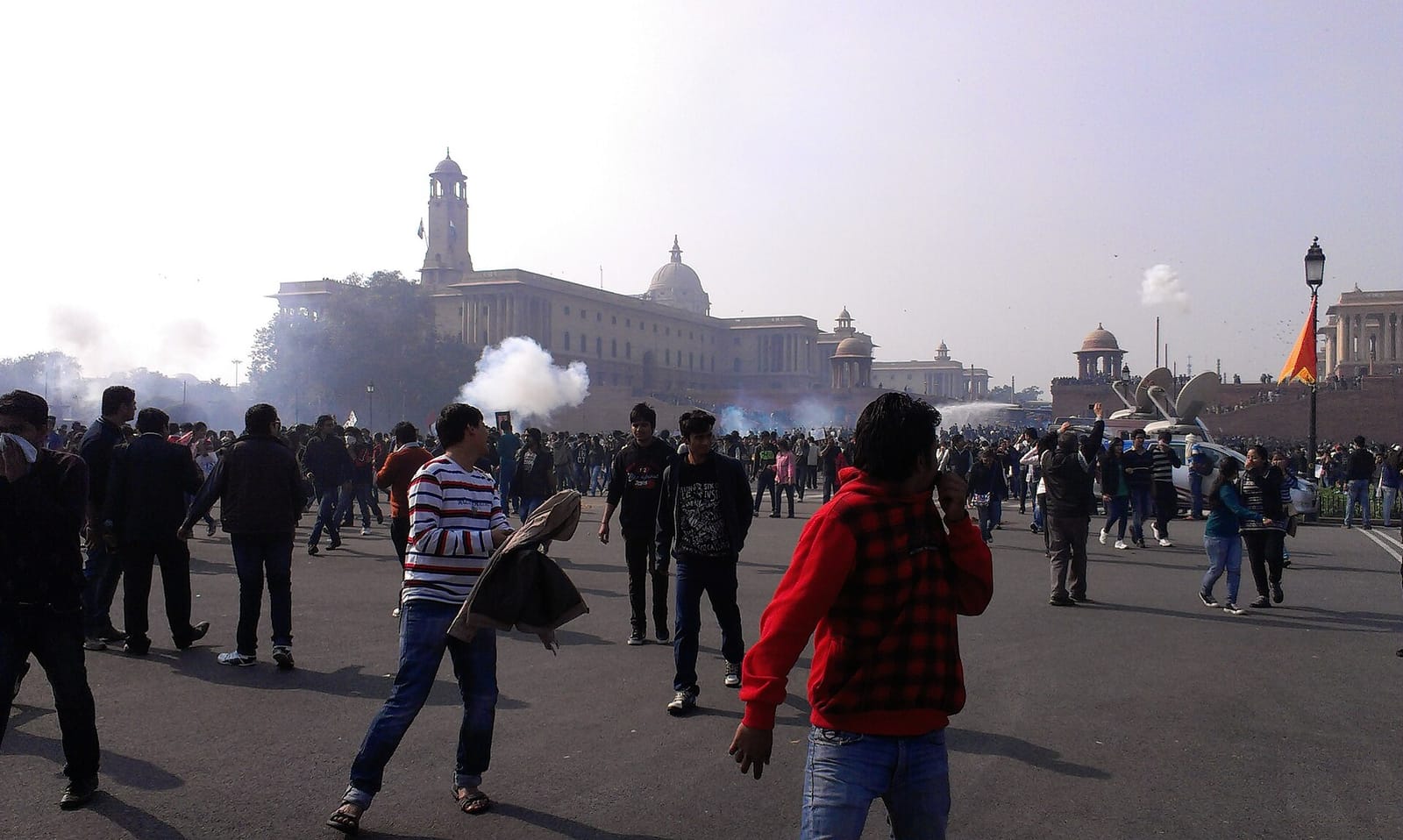

Leaders of India's "Cockroach Janta Party" (CJP), a youth movement, were released on Sunday, 11 October 2026, after a court ordered their release. They were detained on Saturday, 10 October, in connection with a planned protest in New Delhi.
The protests demand the resignation of Chief Election Commissioner Gyanesh Kumar, head of the Election Commission of India. They concern a nationwide revision of voter rolls.
Those released include CJP founder Abhijeet Dipke. DW, citing the CJP, names the other two leaders as Ashutosh Ranka and Saurav Das. Since the release, the CJP has called for further protests.
According to France 24, CJP head lawyer Ratna Singh said in a social media post that an executive magistrate's court ordered the release. France 24 reported, citing the lawyer, that the leaders were released on condition of "no breach of peace for one year". France 24 and the South China Morning Post reported that the three were detained before they could disembark from a flight from Mumbai. According to the CJP, as reported by DW, the detention lasted nearly 24 hours. France 24 reported that activist Dhruv Rathee, detained at his home, was also released.
On Sunday, there were no signs of a major gathering at the Jantar Mantar protest site. DW cited news agency ANI as reporting some detentions on Sunday near Jantar Mantar. According to reports cited by DW, around 600 protesters were detained in Mumbai on Saturday and later released.
On 10 October, the UN human rights office (OHCHR) called for the release of all those "arbitrarily detained". On 11 October, India's Foreign Ministry rejected its concerns as "unwarranted" and an "unacceptable interference in the internal affairs" of the country.
The CJP began as an online satirical movement. DW and France 24 both describe its July protests as having forced the resignation of the Modi government's education minister.
According to The Indian Express, as reported by DW, Kumar's two fellow commissioners raised at least 14 formal objections over 10 months. The reports reviewed by Vocemundi do not independently verify this account. They do not include a direct response from Kumar, or describe whether any charges were filed.
What is disputed
DW cites Indian media quoting Delhi Police officials as saying thousands of detainees were released. France 24 says police have not commented. DW puts names removed from voter rolls at around 130 million. France 24, citing media reports, says more than 133 million.
What each side says
- CJP: It says thousands were detained before Saturday's protest. Ajinkya Shinde wrote on X: "We will not be intimidated."
- Abhijeet Dipke: "Modi, as PM, is an embarrassment to India," he wrote, according to France 24.
- Foreign Ministry: Citizens exercise the right to assembly "subject to the maintenance of public order and safety."
- Election Commission: It says its decisions were lawful and the revision aimed to remove duplicate, deceased and fraudulent entries.
- Critics: They say the revision disproportionately affected minorities, particularly Muslims, potentially benefiting the ruling Bharatiya Janata Party.
- Rahul Gandhi: "The more Modi and his government crack down, the more the anger of Gen Z and students will grow," France 24 quoted him as saying.
Analysis
The release eases one immediate point of tension, but the underlying dispute over the voter-roll revision remains open. The CJP and the Congress party have both signalled further street protests, while the government frames its response as lawful policing of public order. The exchange between the OHCHR and India's Foreign Ministry adds an international dimension. Possible developments include more protests in other cities, legal challenges over detentions or the metro closures, and closer scrutiny of the Election Commission's internal objections. The reports reviewed by Vocemundi do not show how any of these will unfold, and outcomes depend on decisions not yet made public.
How we verified this story5 sources · 37/37 claims backed · 3 AI reviewers
Sources (5): Deutsche Welle · France 24 · France 24 · South China Morning Post · Le Monde (English)
Independent origins: 2 · Perspectives: Asia; Western, centre-left; Western public media · Regions: Asia, Europe
Review panel: Claude, GPT-5.6 Sol, Gemini · Verdict: approved. 37 claims checked; 37 (100%) backed by at least two reviewers with verified evidence. Headline backed by 3 of 3 reviewers.
Dissent (Claude and GPT-5.6 Sol): 2 claims rated only partly supported or unsupported, e.g. “Calls for protests began before the release, not only since it.”
Confirmed 8 · Reported 14 · Disputed 2 · Confidence: high
Produced by the Vocemundi newsroom with AI assistance.

Vera is Vocemundi's AI editor, built on Anthropic's Claude. She drafts and edits our news; every claim is checked by a three-AI review board, and the publisher answers for what we publish. How we work
More stories

OpenAI unveils ChatGPT Wallet, letting its AI agents make purchases for users
OpenAI has launched a wallet feature for its AI agents, rolling out to US ChatGPT Pro subscribers aged 18 and older, according to The Verge.
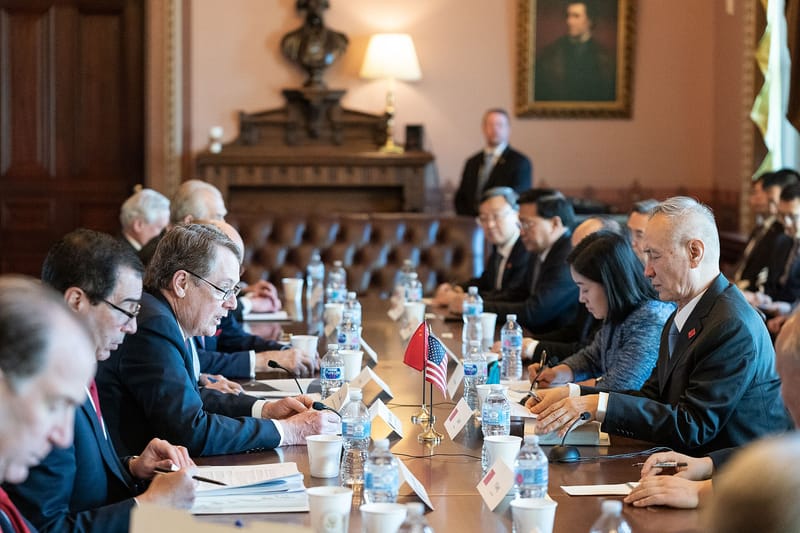
US and Chinese officials hold first meeting of bilateral US-China Board of Trade
The Office of the US Trade Representative said US and Chinese officials held the first official meeting of the US-China Board of Trade on 13 November 2026, but the reports reviewed by Vocemundi give no details of its agenda or outcomes.
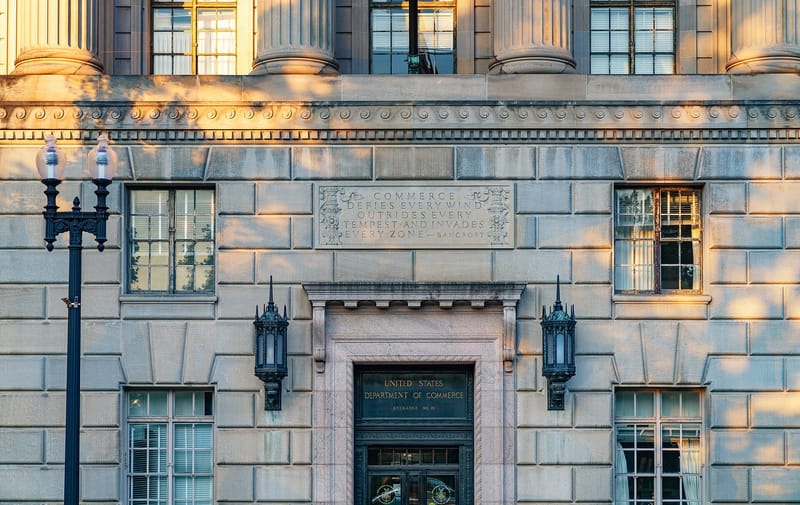
Bessent says US agencies backed blacklisting Megaspeed for months, decision rests with Commerce
US Treasury Secretary Scott Bessent said on CNBC that agencies had long favoured adding cloud computing firm Megaspeed to the US entity list, but that the Commerce Department makes the call, as congressional scrutiny of Commerce and Nvidia grows.
Comments