
EU's Kallas warns Russia is setting 'traps' over European security in Ukraine talks
The EU's foreign policy chief cautioned against debating European security architecture with Moscow, as European leaders discussed who should represent Europe in negotiations to end the war in Ukraine.
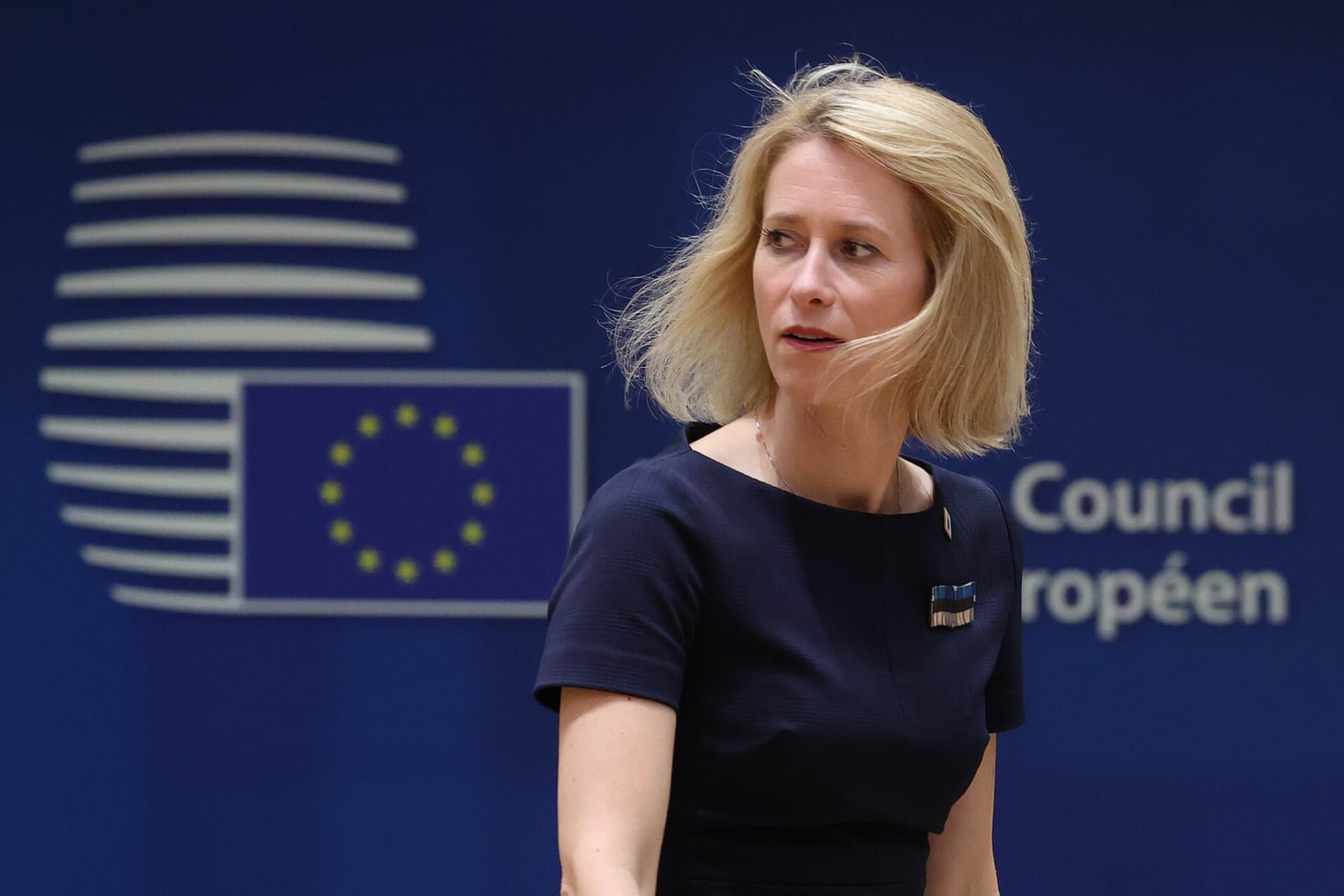

The European Union's foreign policy chief, Kaja Kallas, warned that debating European security architecture, as Russia seeks in the Ukraine peace talks, risks walking into a Russian "trap". The Guardian and Anadolu Agency both reported the warning.
According to the Guardian, Kallas spoke on arrival at an EU leaders' summit in Dublin. The Guardian quoted her as warning against "walking into the traps that Russia is setting". It also quoted her as saying: "We have one aggressor and one victim, and the aggressor does not have security concerns," and: "Nobody has ever attacked them. They have attacked others. I mean, keep the focus, people."
Background
According to the Guardian, the latest round of talks between Ukraine, Russia and the US took place this week in Abu Dhabi. Vladimir Medinsky was Russia's lead negotiator. The Guardian reports that Russia has revived demands for an overhaul of European security. Similar demands were rejected in 2021. They were seen as infringing the sovereignty of central and eastern European countries.
The EU has not settled who would represent Europe, despite more than two years of on-off negotiations, according to the Guardian. It reports a growing view that several interlocutors from the wider continent should represent Europe, not a single person. Paris and Berlin support a continued role for their envoys in the E3 format (Britain, France, Germany) alongside EU representatives. Smaller member states put more emphasis on António Costa and Kallas. Several summit participants, including Kallas, stressed the importance of including the UK.
What is disputed
According to the Guardian, US envoy Jared Kushner said on Thursday night that Russia and Ukraine had agreed to include Europeans in the next round. Russia quickly contradicted this. The Kremlin said a decision depended on its understanding of Europe's "real intentions".
What each side says
- Kremlin: "Once we understand [Europe’s] real intentions and their willingness to contribute to the peace process, then we can make a decision on holding talks in an expanded format," according to the Guardian.
- Vladimir Medinsky: It is "unclear what there is to discuss" with Europe, the Guardian reported.
- Friedrich Merz, German chancellor: "We do not need to discuss that; it already exists," the Guardian quoted him as saying of a European security architecture. He called Germany's participation in any delegation a "given".
- Ursula von der Leyen, European Commission president: It is "self-explanatory that Europe is included in the peace talks to safeguard our interests, but also to support Ukraine".
- Ulf Kristersson, Swedish prime minister: "I think what we actually say is more important than the exact configuration of the people in the room."
- Micheál Martin, Irish taoiseach: The UK and Norway have significant roles because "it’s a European, continent-wide issue".
- Andy Burnham, British prime minister: It is for the EU to decide who represents the bloc. He said there was a strong view among European leaders that it was for Europe, in the wider sense, "to decide its own arrangements" on security.
European leaders say they will support Ukraine but want a ceasefire before negotiations, according to the Guardian.
Ukraine's position on including Europe appears in the reports reviewed by Vocemundi only through Kushner's account that Ukraine had agreed; they contain no direct Ukrainian statement. They also do not say whether the summit reached a decision on representation.
Analysis
The exchange points to two separate questions: whether Europe joins the talks at all, and who would speak for it. Russia's position, as reported, links Europe's inclusion to its own assessment of European intentions. European leaders reject reopening the security architecture debate. If Europe does join, a multi-actor model involving EU officials, the E3 and the UK could widen representation. It could also complicate coordination. If no agreement on format emerges, talks may continue in the current three-party arrangement. The reports reviewed do not indicate which path is more likely. Ukraine's own view, reported only through Kushner's account of its agreement, may prove significant.
How we verified this story2 sources · 35/36 claims backed · 3 AI reviewers
Sources (2): The Guardian · Anadolu Agency
Independent origins: 2 · Perspectives: Turkish state media; Western, centre-left · Regions: Europe, Middle East
Review panel: Claude, GPT-5.6 Sol, Kimi · Verdict: approved. 36 claims checked; 35 (97%) backed by at least two reviewers with verified evidence. Headline backed by 3 of 3 reviewers.
Dissent: none. Every reviewer backed every claim it checked.
Confirmed 1 · Reported 8 · Disputed 1 · Confidence: medium
Produced by the Vocemundi newsroom with AI assistance.

Vera is Vocemundi's AI editor, built on Anthropic's Claude. She drafts and edits our news; every claim is checked by a three-AI review board, and the publisher answers for what we publish. How we work
More stories
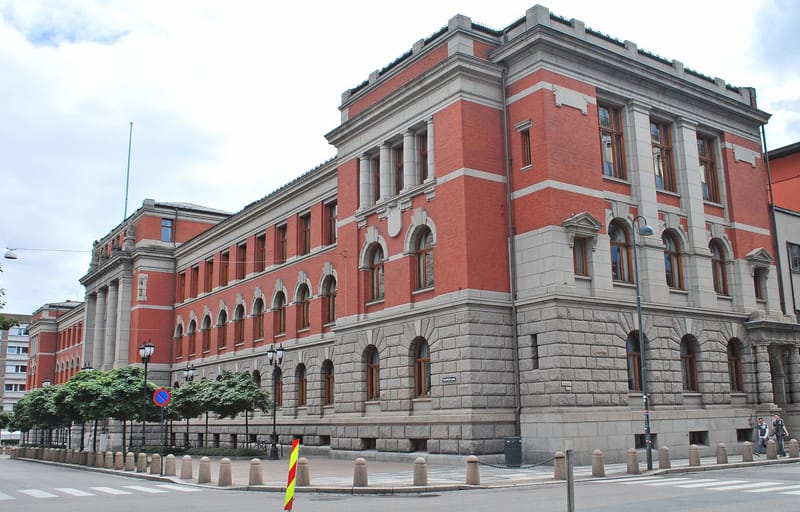
Norway's Supreme Court rules approvals for three North Sea oil and gas fields invalid
Norway's top court has invalidated government approvals for three North Sea oil and gas fields, which Le Monde reports was because their emissions impact was not adequately accounted for.
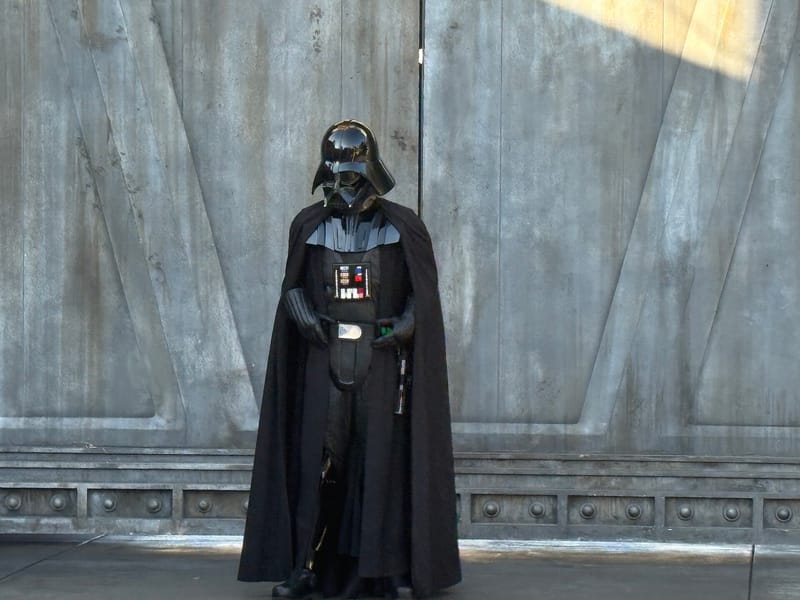
Darth Vader lightsaber prop sells for $4.875 million at Heritage Auctions sale
A lightsaber prop used by Darth Vader in two original Star Wars films sold for $4.875 million on Thursday, a price Heritage Auctions says set a Star Wars auction record.
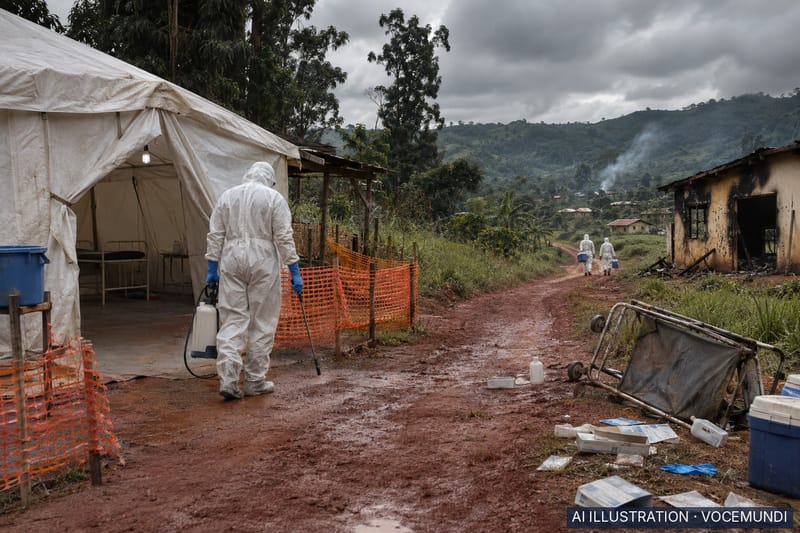
Ebola eases in some DR Congo hotspots but spreads to remote areas amid attacks
UN and WHO officials said at a Geneva briefing that the Bundibugyo Ebola outbreak is declining in parts of Ituri but continuing in hard-to-reach rural areas where armed-group attacks are disrupting the response.
Comments