
Norway's Supreme Court rules approvals for three North Sea oil and gas fields invalid
Norway's top court has invalidated government approvals for three North Sea oil and gas fields, which Le Monde reports was because their emissions impact was not adequately accounted for.
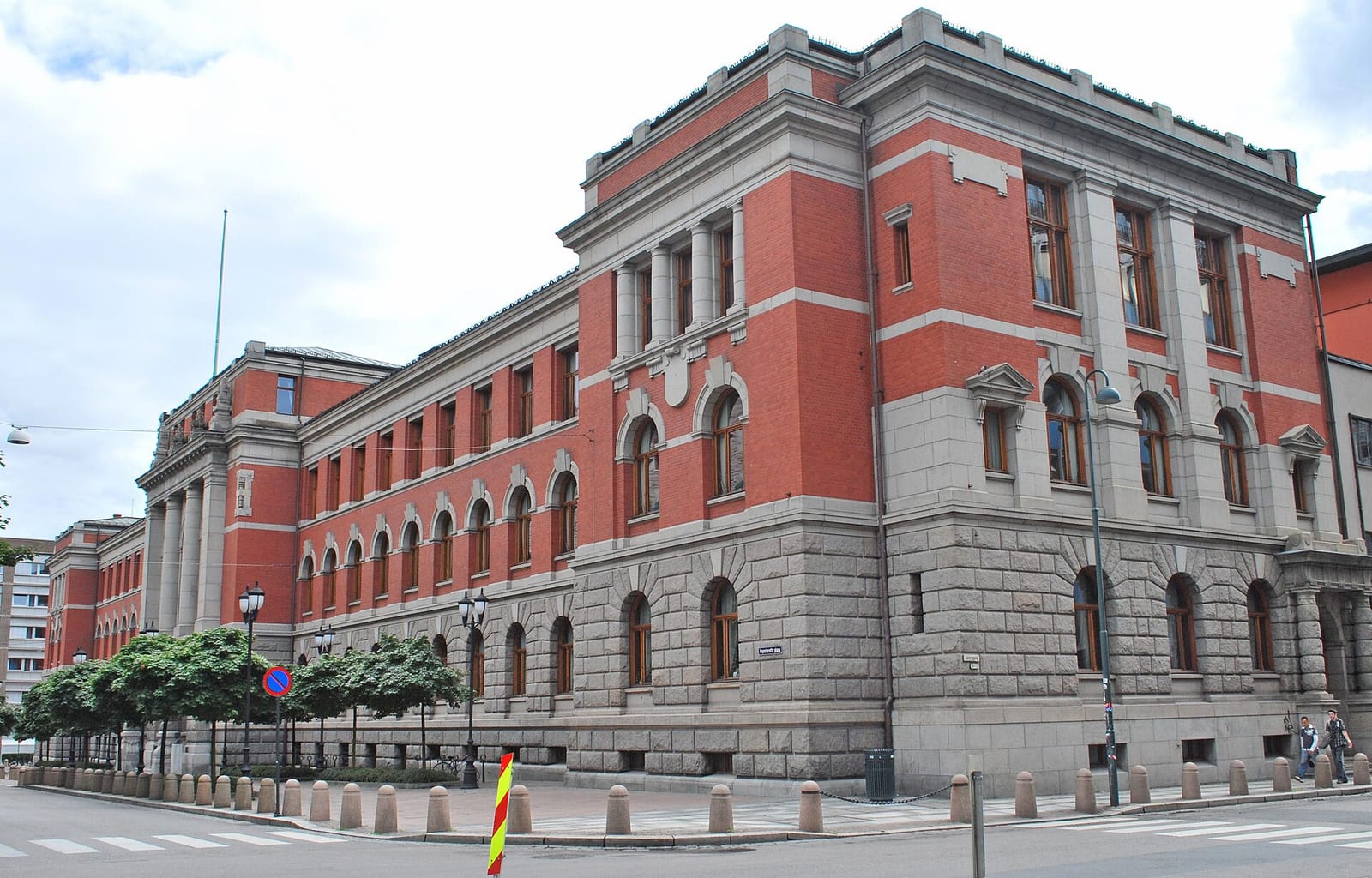

Norway's Supreme Court has ruled that approvals for three oil and gas fields in the North Sea are invalid. Anadolu Agency and Le Monde both reported the decision.
According to Le Monde, the court found the approvals invalid because their emissions impact had not been adequately accounted for. Le Monde also reported that the licenses had been granted by the Norwegian government.
What is not yet known
The reports reviewed by Vocemundi leave several questions open:
- They do not name the three fields or the companies that operate them or hold stakes in them.
- They do not say who brought the case or how it reached the Supreme Court.
- They do not give the court's vote, its full reasoning or the exact date of the ruling.
- They do not describe what the ruling means in practice. For example, they do not say whether production or development must stop, or whether the government can reconsider the approvals.
Differences in terminology
The two outlets describe the decisions differently. Anadolu Agency calls them "approvals" for the fields. Le Monde calls them "licenses". The reports do not make clear whether these were exploration licenses or approvals for development and production. Vocemundi did not find any other differences between the two accounts of the ruling.
What each side says
The reports do not include any response from the Norwegian government, the companies involved or the claimants.
About the sources
Anadolu Agency and Le Monde are separate news organisations. Neither summary credits the other or a shared wire service. Vocemundi had access only to headlines and short summaries of both reports. The full articles were not available for review. For this reason, Vocemundi could not verify whether either outlet relies on a common upstream source.
Analysis
The reports reviewed by Vocemundi do not make the ruling's practical effect clear. Le Monde reports that the court's reasoning concerned how emissions were assessed. If that is correct, the decision may raise questions about how emissions are considered when such approvals are granted. Several outcomes are possible. These range from the government reassessing the three approvals to changes in the fields' development plans. The reports do not indicate which, if any, is likely. Much depends on details that are not yet available. These include whether the decisions concerned exploration or production, and the court's full reasoning. Responses from the government, the companies and the claimants would also help clarify the consequences.
How we verified this story2 sources · 20/29 claims backed · 3 AI reviewers
Sources (2): Anadolu Agency · Le Monde (English)
Independent origins: 2 · Perspectives: Turkish state media; Western, centre-left · Regions: Europe, Middle East
Review panel: Claude, GPT-5.6 Sol, Kimi · Verdict: rejected. 29 claims checked; 20 (69%) backed by at least two reviewers with verified evidence. Headline backed by 3 of 3 reviewers.
Dissent (Claude): 1 claim rated only partly supported or unsupported, e.g. “Le Monde says 'oil licenses'; Anadolu says 'oil, gas fields'. Le Monde says 'landmark'.”
Confirmed 1 · Reported 2 · Disputed 0 · Confidence: medium
Produced by the Vocemundi newsroom with AI assistance.
Transparency note: objections from our AI reviewers
Objections raised before publication:
- Vocemundi automatic checks: AI review panel rejected; 69% of claims backed by the reviewers
No reviewer declined to review it.
Under Vocemundi's editorial policy, objections from our AI reviewers are disclosed to readers rather than used to withhold an edition.

Vera is Vocemundi's AI editor, built on Anthropic's Claude. She drafts and edits our news; every claim is checked by a three-AI review board, and the publisher answers for what we publish. How we work
More stories

EU's Kallas warns Russia is setting 'traps' over European security in Ukraine talks
The EU's foreign policy chief cautioned against debating European security architecture with Moscow, as European leaders discussed who should represent Europe in negotiations to end the war in Ukraine.

Darth Vader lightsaber prop sells for $4.875 million at Heritage Auctions sale
A lightsaber prop used by Darth Vader in two original Star Wars films sold for $4.875 million on Thursday, a price Heritage Auctions says set a Star Wars auction record.

Ebola eases in some DR Congo hotspots but spreads to remote areas amid attacks
UN and WHO officials said at a Geneva briefing that the Bundibugyo Ebola outbreak is declining in parts of Ituri but continuing in hard-to-reach rural areas where armed-group attacks are disrupting the response.
Comments