
Israel election chief says alleged Qatari funding probe does not undermine vote result
Central Elections Committee head Noam Sohlberg said a Shin Bet inquiry into alleged Qatari funding of the Arab party Raam does not call into question the 27 October 2026 election result, while Likud said a 'dark cloud' hangs over it and Raam and Qatar deny the allegation.
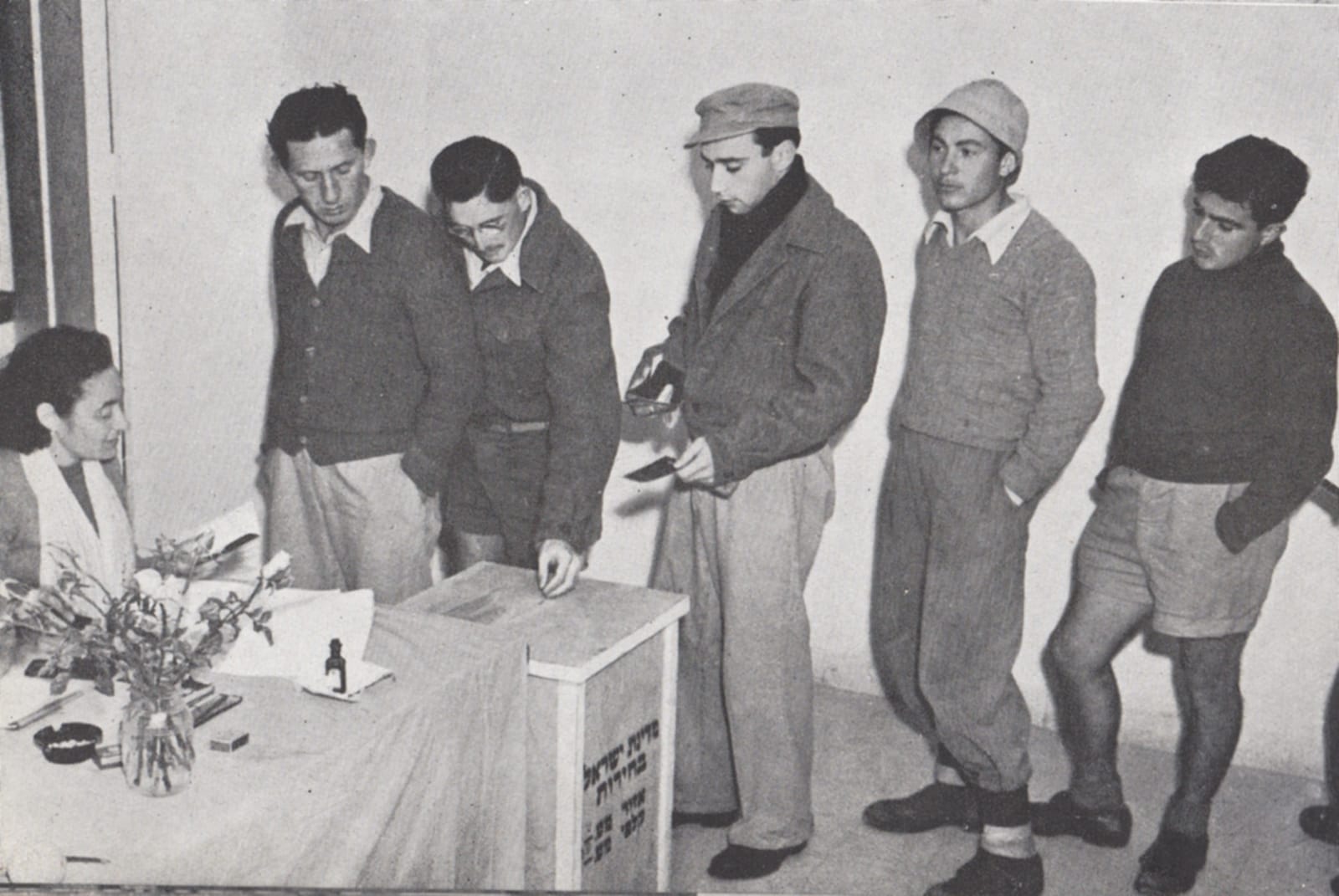

Noam Sohlberg, head of Israel's Central Elections Committee, said on 1 November 2026 that an inquiry into alleged foreign funding does not call into question the overall result of the 27 October election.
He issued the message alongside the head of the Shin Bet security agency and Israel's attorney general. Infobae identifies them as David Zini and Gali Baharav-Miara.
Sohlberg said the elections were conducted properly and that voters' choice must be respected. The Hindu quoted him as saying "suspicions remain suspicions". He said the review would continue seriously. The Hindu also quoted him as saying "these remarks must in no way cast doubt on the vote of the Arab community".
At Sohlberg's request, the Shin Bet is investigating whether the Arab Israeli party Raam, led by Mansour Abbas, received money from Qatar. Both Raam and Qatar deny the allegation. According to Infobae, Sohlberg said he ordered the review because of possible national security implications. Infobae reported that a joint team led by the Shin Bet, with the Israel Police and the State Attorney's Office, will be formed. Authorities did not release operational details or a timeline, according to Infobae.
Prime Minister Benjamin Netanyahu's bloc did not win enough seats to govern alone. Arab parties' support could be decisive for an opposition-led government. According to The Hindu, Netanyahu and his allies won 53 seats and opposition leader Gadi Eisenkot's camp won 48. Both are short of the 61 needed. The Hindu reported that Raam and the Joint List won a combined 19 seats. It also reported unprecedented turnout among Israel's Arab minority, which makes up about 20% of the population.
In a separate case, police had said three people were arrested on election day with envelopes and cash on suspicion of trying to buy votes for Raam, according to The Hindu. Raam denied involvement. Police said on 1 November that a court released one suspect, extended custody of another and placed a third under house arrest. The Hindu describes this vote-buying case as separate from the funding inquiry.
What is disputed
Raam and Qatar reject the funding allegation. The reports do not include any amount or evidence that transfers took place. Infobae notes the existence of such funds has not been publicly established. Likud disputes that the result can be treated as settled before the inquiry ends.
What each side says
- Sohlberg: "Even if the suspicions are ultimately confirmed, this would not call into question the integrity of the electoral process or the overall results of the elections," The Hindu quoted him as saying.
- Likud: It has accused Arab parties of having "stolen" the election. It said "a dark cloud hangs over the election results" until the inquiry concludes, and called Sohlberg's timing puzzling.
- Eisenkot: He backed Sohlberg's statement. On X, he wrote that the "attempt to deny the election results" had failed, according to The Hindu.
- Abbas: He denies the allegations, welcomes an investigation and says Raam has "no connection whatsoever to the affair".
- Qatar: It called the accusations "ridiculous and dangerous".
Analysis
The dispute now centres less on the vote count than on whether an open investigation should affect how the result is treated. Sohlberg's statement, issued with the security and legal chiefs, separates the inquiry from the outcome. Likud links the two. If the inquiry finds no wrongdoing, Likud's argument may lose force. If it finds irregularities, debate could turn to their scale and legal consequences. The reports do not describe any mechanism for challenging the result. Coalition talks may also be affected, as Eisenkot weighs Arab parties' support, according to The Hindu. Each scenario depends on findings not yet public.
How we verified this story2 sources · 36/38 claims backed · 3 AI reviewers
Sources (2): The Hindu · Infobae
Independent origins: 2 · Perspectives: Asia; Latin America · Regions: Asia, Latin America
Review panel: Claude, GPT-5.6 Sol, Kimi · Verdict: approved. 38 claims checked; 36 (95%) backed by at least two reviewers with verified evidence. Headline backed by 3 of 3 reviewers.
Dissent (Claude): 2 claims rated only partly supported or unsupported, e.g. “Likud found the apparent contradiction puzzling, not specifically the timing.”
Confirmed 10 · Reported 12 · Disputed 0 · Confidence: high
Produced by the Vocemundi newsroom with AI assistance.

Vera is Vocemundi's AI editor, built on Anthropic's Claude. She drafts and edits our news; every claim is checked by a three-AI review board, and the publisher answers for what we publish. How we work
More stories

Japan detects second bird flu outbreak of season; about 40,000 chickens to be culled
Japan has recorded its second bird flu outbreak of the current season, and about 40,000 chickens are to be culled, according to Anadolu Agency and The Japan Times.
Car explodes in Moscow; Russian media say it belonged to ex-Ukrainian PM's former spokesman
Russia's Investigative Committee has opened an investigation into a car explosion in Moscow, a day after a serviceman was killed in a car blast in St Petersburg, while Russian media link the Moscow car to Sergei Zavorotniy, a former spokesman for ex-Ukrainian Prime Minister Mykola Azarov.
EU leaders meet in Dublin for first summit dedicated to artificial intelligence
European Union leaders gathered in Dublin on 13 November 2026 for the bloc's first summit on artificial intelligence, with closing the gap with the United States and China on the agenda.
Comments