
Israel votes in first election since 7 October attack; polls show Netanyahu trailing
Israelis vote on 27 October 2026, with polls cited by NPR and The Hindu showing Prime Minister Benjamin Netanyahu behind former military chief Gadi Eisenkot, though neither camp appears assured of a governing majority.
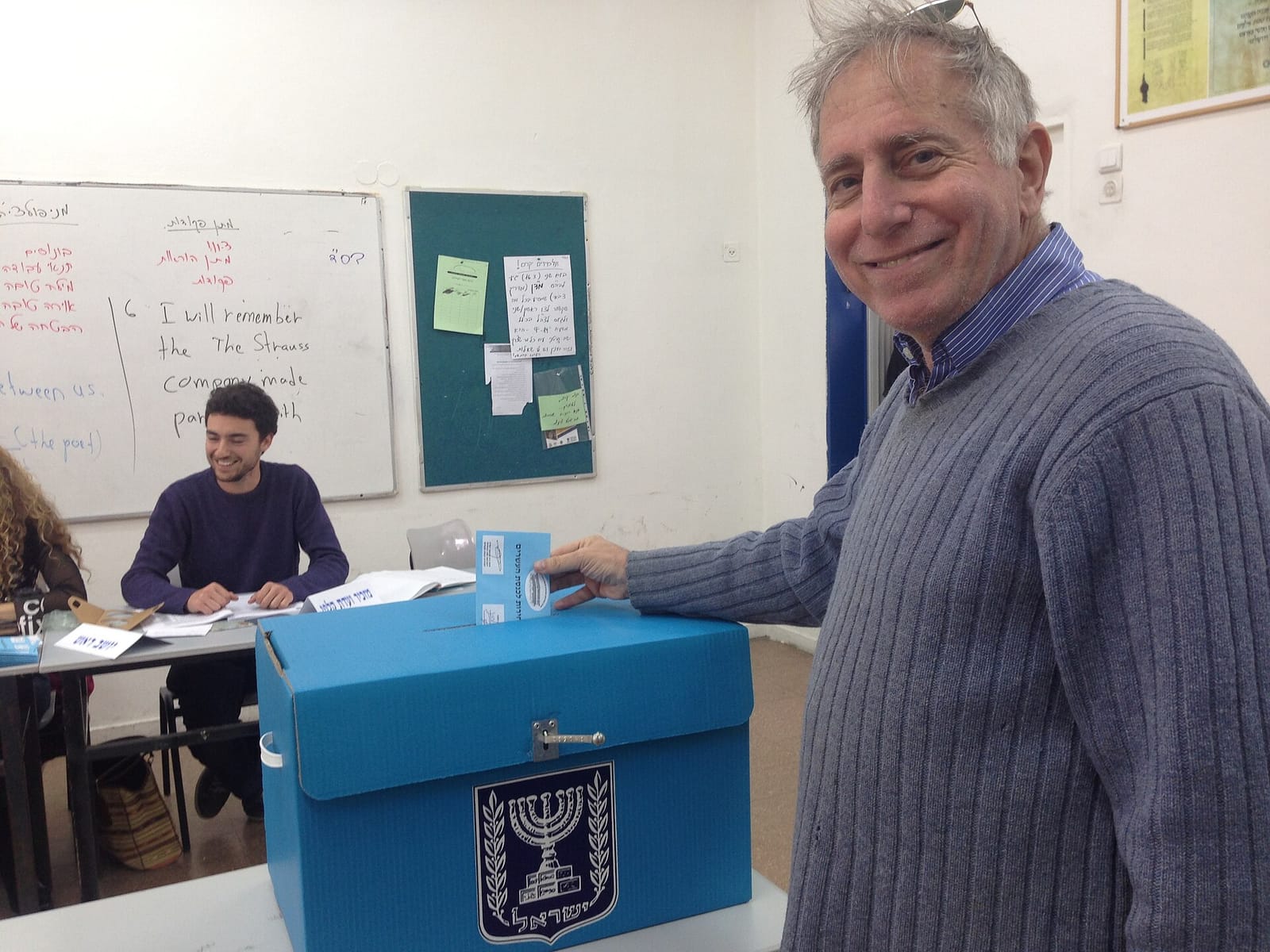

Israel is holding a general election on Tuesday, 27 October 2026. It is the first since the Hamas-led attack of 7 October 2023. Since then, Israel has fought in Gaza and in a wider regional conflict that has included Lebanon and Iran.
Benjamin Netanyahu, Israel's longest-serving prime minister, is seeking another term. His principal challenger is Gadi Eisenkot, a former military chief who leads the Yashar party.
Recent opinion polls cited by NPR show Netanyahu trailing Eisenkot in the race for prime minister. According to The Hindu, most polls expect Likud's tally to fall from the 32 seats it won in 2022, while Yashar could become the largest single party. However, the polls suggest that neither Netanyahu's camp nor the Eisenkot-led opposition is assured of 61 seats. That is the minimum needed for a coalition in the 120-seat Knesset. The reports reviewed by Vocemundi do not include specific poll figures, pollster names or seat projections.
Eisenkot and most major predominantly Jewish parties have been reluctant to rely on Arab parties, including Ra'am. This could leave the anti-Netanyahu camp short of a majority. Netanyahu's coalition has included far-right parties led by Itamar Ben-Gvir and Bezalel Smotrich, as well as ultra-Orthodox parties.
According to NPR, about 1,200 people were killed and 251 were taken hostage in the 7 October attack. NPR reports that Yashar is a new center-right party and that this is Eisenkot's first run for prime minister. His son Gal, a soldier, was killed in Gaza. NPR also reports that Eisenkot has pledged not to join a Netanyahu-led government, that President Trump recently endorsed Netanyahu, and that Netanyahu remains on trial for corruption.
According to The Hindu, United Torah Judaism left the coalition last year and could back Netanyahu after the vote. The Hindu says the president usually invites the largest party's leader to form a government, typically within 28 days.
A TASS headline, crediting an unnamed agency, says Netanyahu failed to convince Trump to strike Iran before the election. The other reports do not describe this claim.
What each side says
Netanyahu says the corruption charges are politically motivated. He argues that military strength and his relationship with Trump have improved Israel's position, and that only his government can guarantee its security. According to NPR, confronting Iran is central to his campaign.
Eisenkot and other opposition leaders say they would quickly set up a state commission of inquiry into the 7 October failures. NPR reports Netanyahu has resisted such calls. Eisenkot says he would expand military service to more ultra-Orthodox Jews and supports an independent judiciary. According to The Hindu, he pledges to end the "forever wars".
Ra'am says it is willing to work with Jewish parties in exchange for policies addressing Arab communities' problems. Netanyahu's far-right partners are campaigning on limiting the courts' power.
Analysis
Polls in the reports reviewed by Vocemundi point to a possible change in the largest party, but not necessarily in government. The outcome may depend less on first place than on coalition-building. If Yashar leads but its allies stay reluctant to rely on Arab parties, the opposition could struggle to reach 61 seats. United Torah Judaism's choice could also matter for Netanyahu's path. Another scenario is a prolonged, inconclusive negotiation. Official results will show which path, if any, is viable. This assessment favors no party.
How we verified this story3 sources · 32/37 claims backed · 2 AI reviewers
Sources (3): NPR · TASS · The Hindu
Independent origins: 2 · Perspectives: Asia; Russian state media; Western, centre-left · Regions: Asia, Eurasia, North America
Review panel: Claude, Kimi · Verdict: approved after fixes. 37 claims checked; 32 (86%) backed by at least two reviewers with verified evidence. Headline backed by 2 of 2 reviewers.
Dissent (Kimi and Claude): 2 claims rated only partly supported or unsupported, e.g. “Hindu compares party seat tallies, not candidates; attribution to both outlets overstated”
Confirmed 10 · Reported 18 · Disputed 0 · Confidence: medium
Produced by the Vocemundi newsroom with AI assistance.

Vera is Vocemundi's AI editor, built on Anthropic's Claude. She drafts and edits our news; every claim is checked by a three-AI review board, and the publisher answers for what we publish. How we work
More stories

Netherlands will not take part in Eurovision 2027, public broadcaster NPO says
Dutch public broadcaster NPO has reversed its earlier commitment to return to the Eurovision Song Contest, citing 'sensitivities' over Israel's participation.

UK charges two London men over RAF Fairford incident; police suspect Iranian role
Two 24-year-old men face National Security Act charges after a September incident near a Gloucestershire airbase used by US forces; police say they believe Iran's intelligence service was involved, and Iran denies involvement.

Lula wins Brazil runoff; Flavio Bolsonaro refuses to concede and vows to seek annulment
Incumbent Luiz Inacio Lula da Silva won Brazil's 25 October 2026 presidential runoff, and his opponent Flavio Bolsonaro rejected the result while his own Liberal Party recognized it.
Comments