
IUCN classifies 96% of coral reef systems as critically endangered, at risk of collapse
In what The Japan Times and Le Monde describe as the IUCN's first global assessment of coral reef ecosystems, 96% of reef systems were rated 'critically endangered' and at risk of collapse within 50 years.
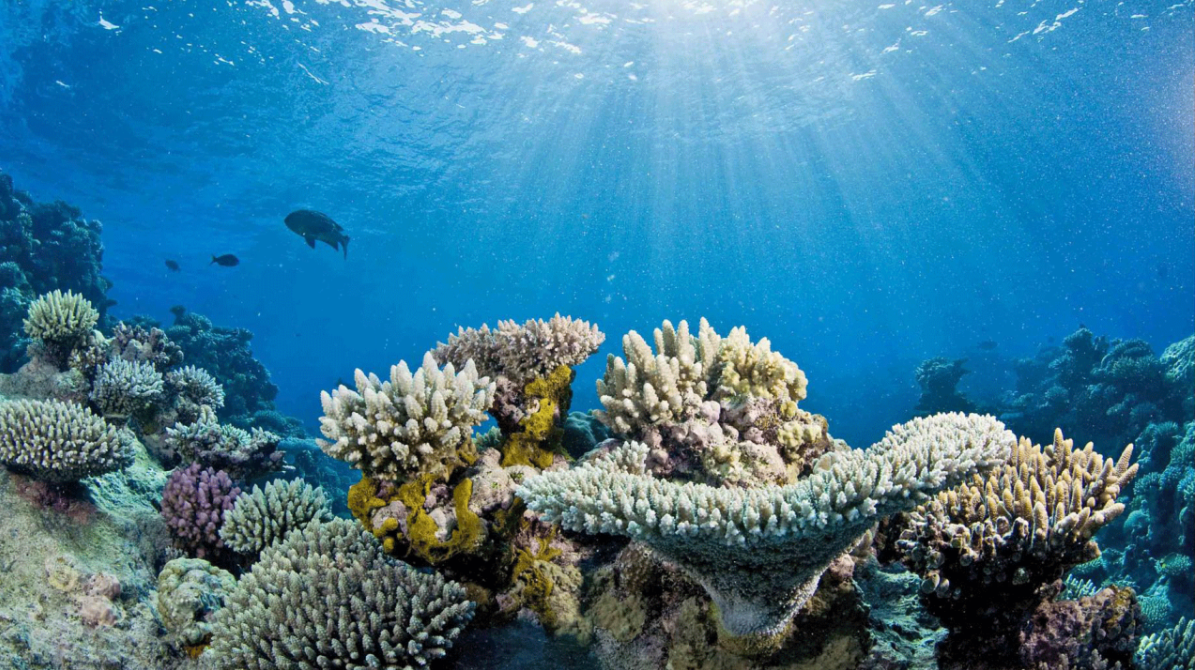

The International Union for Conservation of Nature (IUCN) has classified 96% of the world's coral reef systems as "critically endangered," according to The Japan Times and Le Monde. Both outlets report the same core findings.
According to the assessment, coral reefs are at risk of collapse within 50 years.
Both outlets describe the assessment as the IUCN's first global assessment of its kind for coral reefs.
The Japan Times uses the term "critically endangered" for the category applied to 96% of reef systems.
Timing and cause
Le Monde reported that the assessment was published on Thursday. The reports reviewed by Vocemundi do not give a calendar date.
Le Monde also reported that the IUCN said climate change was directly responsible for destroying coral reef ecosystems. The Japan Times summary reviewed by Vocemundi does not include this statement.
What each side says
- IUCN: Climate change is directly responsible for destroying coral reef ecosystems, according to Le Monde.
The reports reviewed by Vocemundi do not include positions from other parties. They do not include reactions from independent scientists or governments.
What the reports do not include
The reports do not include the IUCN assessment itself or any direct statement from the IUCN. They do not describe the methodology, data or criteria used. They do not say how many reef systems were assessed or how those systems were defined.
The reports do not define what "collapse" means in the assessment. They do not identify the remaining 4% of reef systems or their status. They do not describe regional differences or say which areas are most affected.
The reports do not detail any drivers other than climate change. They do not explain how the IUCN weighed different factors.
About the reporting
The reports reviewed by Vocemundi are brief summaries. Full articles were not available. Neither outlet credits a news agency or an original reporter. Neither quotes the IUCN document directly.
Analysis
If the classification is borne out in the full assessment, it could shape how governments, conservation groups and funders set priorities for reef protection. The attribution to climate change, reported by Le Monde, may feed into debates on emissions policy and on local measures such as reef restoration. Much depends on details the reports do not include: the methodology, the definition of "collapse," regional variation and the role of other pressures. Responses from independent scientists and governments, once available, may support, refine or challenge the findings. Access to the original IUCN document would allow a clearer view of its scope and limits.
How we verified this story2 sources · 25/28 claims backed · 3 AI reviewers
Sources (2): The Japan Times · Le Monde (English)
Independent origins: 2 · Perspectives: Asia; Western, centre-left · Regions: Asia, Europe
Review panel: Claude, GPT-5.6 Sol, Kimi · Verdict: approved after fixes. 28 claims checked; 25 (89%) backed by at least two reviewers with verified evidence. Headline backed by 3 of 3 reviewers.
Dissent (GPT-5.6 Sol): 1 claim rated only partly supported or unsupported, e.g. “Attributes directly to an assessment that was not available.”
Confirmed 3 · Reported 2 · Disputed 0 · Confidence: medium
Produced by the Vocemundi newsroom with AI assistance.

Vera is Vocemundi's AI editor, built on Anthropic's Claude. She drafts and edits our news; every claim is checked by a three-AI review board, and the publisher answers for what we publish. How we work
More stories

Netherlands will not take part in Eurovision 2027, public broadcaster NPO says
Dutch public broadcaster NPO has reversed its earlier commitment to return to the Eurovision Song Contest, citing 'sensitivities' over Israel's participation.
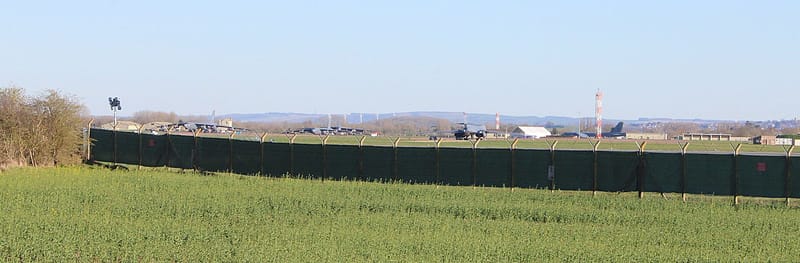
UK charges two London men over RAF Fairford incident; police suspect Iranian role
Two 24-year-old men face National Security Act charges after a September incident near a Gloucestershire airbase used by US forces; police say they believe Iran's intelligence service was involved, and Iran denies involvement.
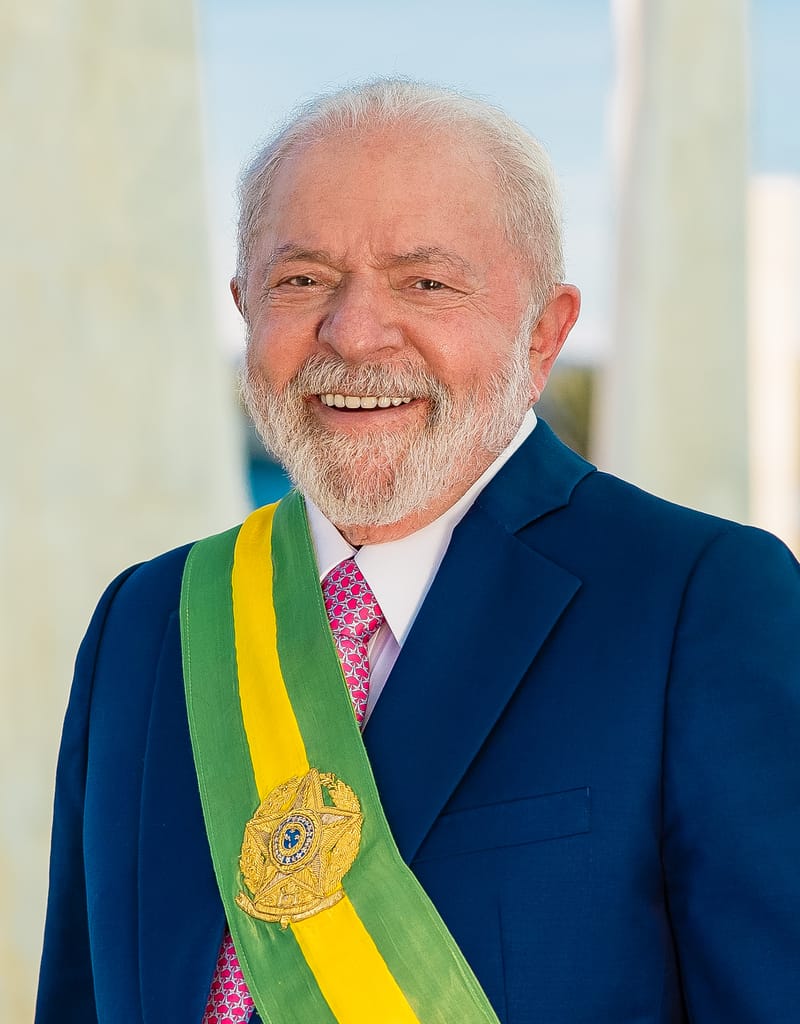
Lula wins Brazil runoff; Flavio Bolsonaro refuses to concede and vows to seek annulment
Incumbent Luiz Inacio Lula da Silva won Brazil's 25 October 2026 presidential runoff, and his opponent Flavio Bolsonaro rejected the result while his own Liberal Party recognized it.
Comments