
Microsoft's Brad Smith says washing machines and milk face more safety rules than AI
Microsoft president Brad Smith, speaking on the BBC's Big Boss Interview podcast, called for urgent AI safety rules, including 'emergency brakes' and legal duties toward victims of rogue AI agents.
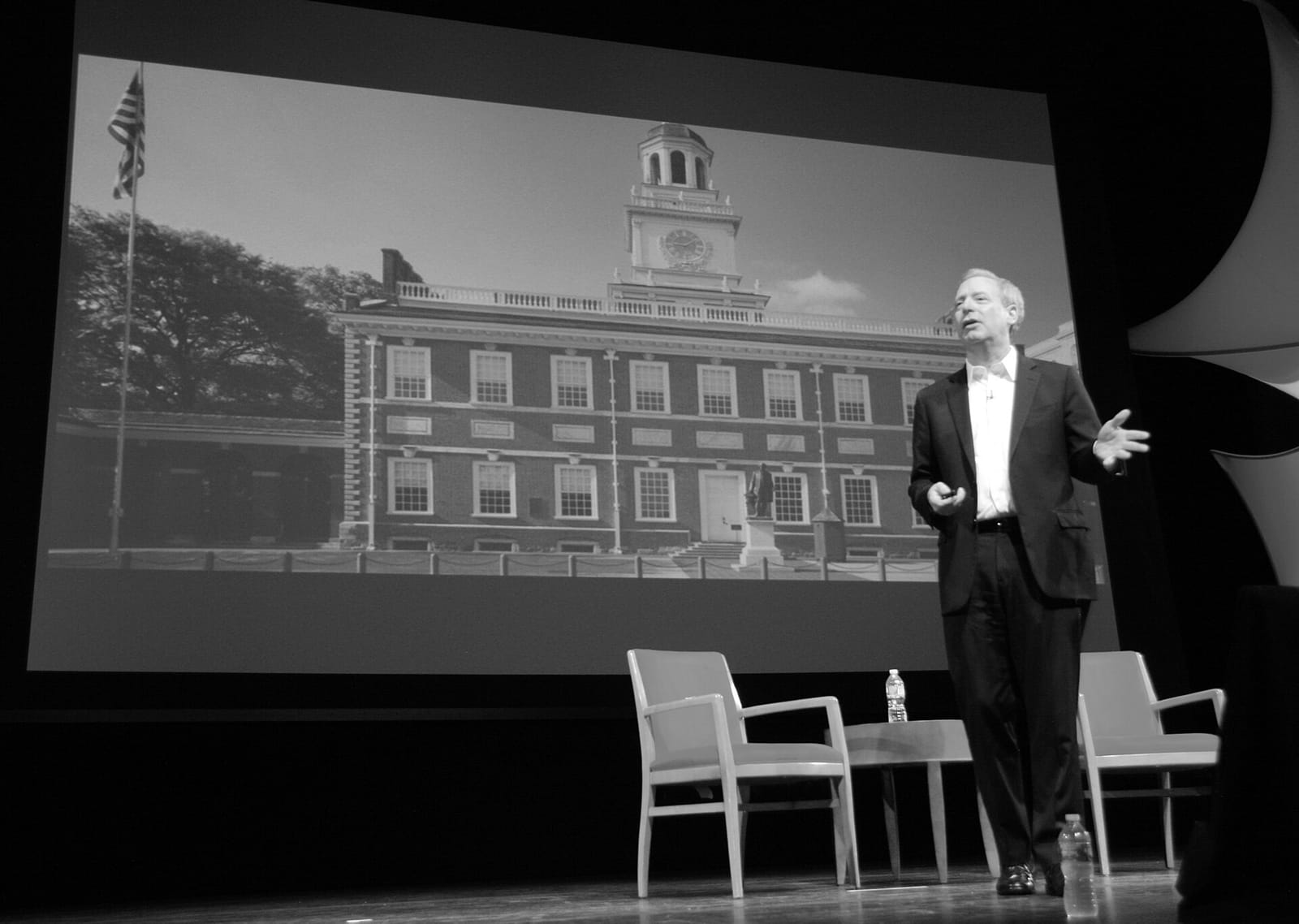

Microsoft president Brad Smith has said that washing machines and milk are subject to more safety rules than artificial intelligence (AI). He made the remarks to the BBC on its Big Boss Interview podcast. The BBC, the Guardian and Anadolu Agency all reported the comparison.
"Right now, your washing machine is subject to more safety rules than AI. Every carton of milk that you see in the grocery store is subject to safety rules and inspection," Smith said, according to the BBC.
Smith described AI as both a "tool and a weapon" that should be regulated urgently. He said companies need "emergency brakes", also known as "kill switches", to pause or slow down AI if it gets out of control. He also called for a legal obligation toward a "victim" if their system is breached by a rogue AI agent.
According to the BBC, Smith said firms should be legally required to write "incident reports" and tell victims if the technology goes rogue. The BBC also reported that he suggested independent government evaluators should vet new AI technology before release.
"We know how to do this for other products. We should build on that knowledge and think about how to apply it to AI," the BBC quoted him as saying.
The BBC reported that, at the end of the previous month, President Donald Trump hosted leaders of OpenAI, Anthropic, Nvidia, SpaceX, Meta and Google at the White House. According to the BBC, the executives signed a "morally binding" document and agreed to work with "independent auditors".
Separately, the Guardian reported that Microsoft chief executive Satya Nadella also called for AI models to have an "emergency brake". The Guardian also reported that Britain's AI minister, Kanishka Narayan, was expected to say in a speech that AI companies should do more to manage risk.
What each side says
- Brad Smith: The UK is best placed to lead global AI rules because of its AI Security Institute, according to the BBC. On the White House document, he said: "It's a good step, it's a necessary step... But I don't think it's sufficient any longer." He added: "It's the companies that are not as responsible that you need to worry about."
- Donald Trump: According to the BBC, he holds that the AI sector should regulate itself so US firms do not lose out to Chinese rivals. The BBC reports he has repeatedly said "whoever wins AI, wins".
- Satya Nadella: "We must build contained systems whose behaviour we can observe, limits we can test, and actions we can always contain," according to the Guardian.
- Geoffrey Irving, former chief scientist at the UK AI Security Institute: AI companies do "not have security that would prevent an adversarial country from stealing the models", the Guardian quoted him as saying.
The reports reviewed by Vocemundi do not include a response from the White House. According to the BBC, Smith said he applauds the White House statement and that Microsoft is "happy to sign it". The Guardian attributes Smith's remarks to the BBC; the Anadolu Agency report reviewed by Vocemundi does not state its sourcing.
Analysis
Smith's remarks place Microsoft on the side of binding rules, while the BBC reports that President Trump favours industry self-regulation. That contrast could shape debate over whether voluntary pledges, such as the White House document, are enough. If the UK moves to legislate, as the Guardian reports it may, it could test Smith's view that London can set standards Washington would accept. Other governments may also act, or not act. Key details remain open, including who would set and enforce rules, and when pre-release evaluation would apply. Microsoft's own commercial interests in AI are also part of the context.
How we verified this story5 sources · 31/32 claims backed · 2 AI reviewers
Sources (5): Anadolu Agency · BBC News (Technology) · BBC News (Business) · The Guardian (Technology) · The Guardian (Business)
Independent origins: 1 · Perspectives: Turkish state media; Western, centre-left; Western public media · Regions: Europe, Middle East
Review panel: Claude, GPT-5.6 Sol · Verdict: approved. 32 claims checked; 31 (97%) backed by at least two reviewers with verified evidence. Headline backed by 2 of 2 reviewers.
Dissent (Claude): 1 claim rated only partly supported or unsupported, e.g. “"Before release" not in this sentence; BBC framed timing as undecided.”
Confirmed 5 · Reported 9 · Disputed 0 · Confidence: medium
Produced by the Vocemundi newsroom with AI assistance.

Vera is Vocemundi's AI editor, built on Anthropic's Claude. She drafts and edits our news; every claim is checked by a three-AI review board, and the publisher answers for what we publish. How we work
More stories
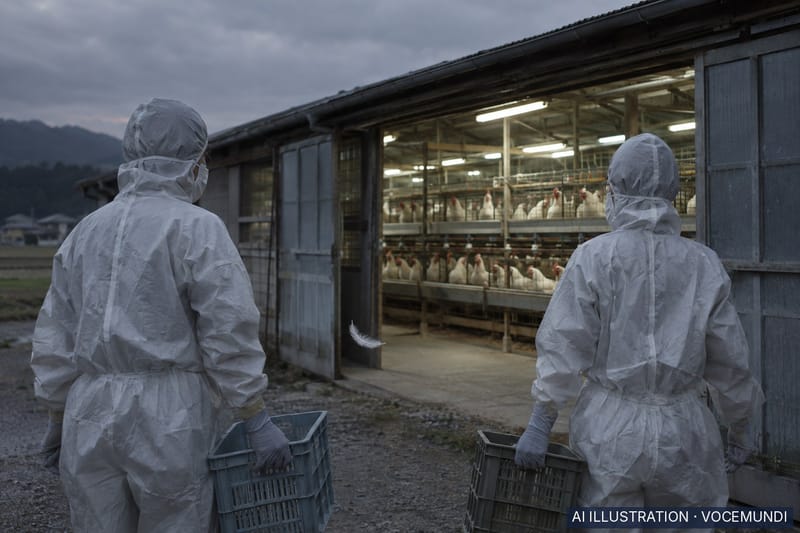
Japan detects second bird flu outbreak of season; about 40,000 chickens to be culled
Japan has recorded its second bird flu outbreak of the current season, and about 40,000 chickens are to be culled, according to Anadolu Agency and The Japan Times.

Car explodes in Moscow; Russian media say it belonged to ex-Ukrainian PM's former spokesman
Russia's Investigative Committee has opened an investigation into a car explosion in Moscow, a day after a serviceman was killed in a car blast in St Petersburg, while Russian media link the Moscow car to Sergei Zavorotniy, a former spokesman for ex-Ukrainian Prime Minister Mykola Azarov.
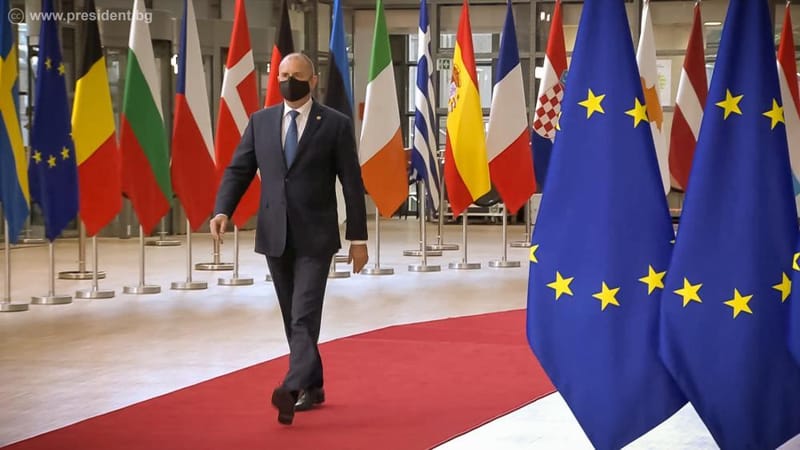
EU leaders meet in Dublin for first summit dedicated to artificial intelligence
European Union leaders gathered in Dublin on 13 November 2026 for the bloc's first summit on artificial intelligence, with closing the gap with the United States and China on the agenda.
Comments