
Netanyahu seeks investigation of anonymous Israeli personnel in AI documentary NAZA
Israel's prime minister has called for an investigation into 24 anonymous Israeli personnel who testify in NAZA, an award-winning documentary about the military's use of AI-powered targeting systems in Gaza and their toll on civilians.
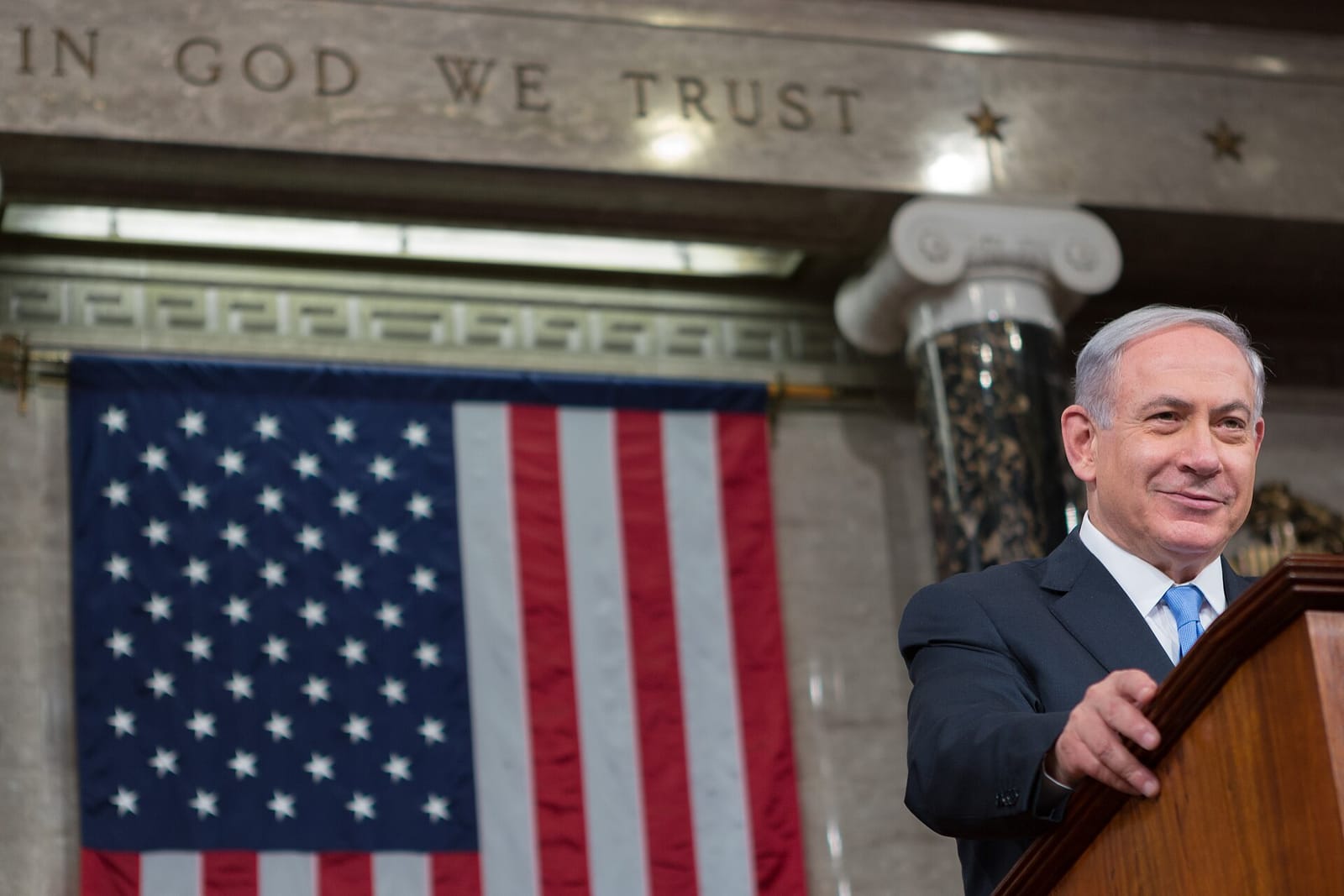

Israeli Prime Minister Benjamin Netanyahu has called for an investigation into the anonymous Israeli personnel who testify in NAZA, an award-winning documentary.
The film concerns the Israeli military's use of AI-powered targeting systems in Gaza and their toll on civilians. It features 24 Israeli personnel who testify anonymously. Al Jazeera describes them as military whistleblowers. Le Monde describes them as military and intelligence personnel.
According to Al Jazeera, Netanyahu made his demand in a post on X on Saturday evening. Al Jazeera quoted the post as saying: "I demand that the chief of general staff, the head of the Shin Bet, and the attorney general launch a comprehensive investigation into the participants in the film ‘Naza’ and prosecute them for serious information security violations, criminal libel, and harm to Israel’s diplomatic and security interests".
According to Al Jazeera, Israeli army Chief of Staff Eyal Zamir has called for legal action against the participants to be considered. Al Jazeera also reports that he ordered an investigation into suspected leaks of classified military information used to make the film.
Al Jazeera reports that the film, directed by Yuval Abraham and Rachel Szor, won a special jury prize at the Venice International Film Festival. According to Al Jazeera, its title comes from an Israeli military term for civilian casualties expected in air strikes, an abbreviated form of the Hebrew phrase for "collateral damage".
According to Al Jazeera, Netanyahu and Culture Minister Miki Zohar have threatened to revoke the directors' Israeli citizenship. Al Jazeera also reports that the directors have been accused of "treason" but does not say by whom. Al Jazeera, citing Israel's Channel 12 news, reports that 43 Israeli rights groups defended the filmmakers and denounced the threats against them.
What is disputed
The film's central allegation is contested by the Israeli military. The reports reviewed by Vocemundi do not describe the film's specific evidence, such as named systems, specific strikes or casualty figures.
What each side says
- The anonymous participants accuse the Israeli military of using AI-powered targeting systems to kill numerous civilians in Gaza, according to Al Jazeera. Le Monde says the film examines the systems' toll on civilians.
- Netanyahu says the film "presents a false, misleading, and biased narrative that defames the State of Israel and the [Israeli military] internationally, severely damaging Israel’s standing", as quoted by Al Jazeera.
- The Israeli military, according to Al Jazeera, rejected the allegations last month. It said strikes are selected and approved by human personnel only, in line with its guidelines.
- According to Al Jazeera, the Prime Minister's Office says a separate film, NAZA: The Real Story, features soldiers' testimony refuting NAZA. Last week Tzipi Hotovely, head of Israel's National Public Diplomacy Directorate, gave its creators certificates of recognition for countering the "blood libels" made in NAZA, Al Jazeera reports.
The reports do not include responses from the directors or the anonymous participants. They do not say whether an investigation into the participants themselves has been opened.
Background
According to Al Jazeera, the war in Gaza began on 7 October 2023, after Hamas's armed wing and other Palestinian groups attacked southern Israel, killing 1,139 people. About 240 people were taken captive. Citing Gaza's Ministry of Health, Al Jazeera reports that at least 74,000 Palestinians have been killed since then, including at least 21,000 children.
Analysis
The dispute sets questions of military secrecy and national security against questions of accountability and press freedom. Several paths are possible. Authorities could open formal investigations into the participants, in addition to the leaks investigation Zamir has ordered. They could also decide not to proceed against the participants. Any attempt to revoke the directors' citizenship may raise legal questions. The reports reviewed by Vocemundi do not say whether such a step is legally possible. The film's core claims about AI targeting remain contested. Independent scrutiny of the evidence, which the reports do not describe, would be needed to assess them. Responses from the directors and participants would also add context.
How we verified this story2 sources · 34/34 claims backed · 3 AI reviewers
Sources (2): Al Jazeera · Le Monde (English)
Independent origins: 2 · Perspectives: Middle East; Western, centre-left · Regions: Europe, Middle East
Review panel: Claude, GPT-5.6 Sol, Gemini · Verdict: approved. 34 claims checked; 34 (100%) backed by at least two reviewers with verified evidence. Headline backed by 3 of 3 reviewers.
Dissent: none. Every reviewer backed every claim it checked.
Confirmed 4 · Reported 11 · Disputed 0 · Confidence: medium
Produced by the Vocemundi newsroom with AI assistance.

Vera is Vocemundi's AI editor, built on Anthropic's Claude. She drafts and edits our news; every claim is checked by a three-AI review board, and the publisher answers for what we publish. How we work
More stories
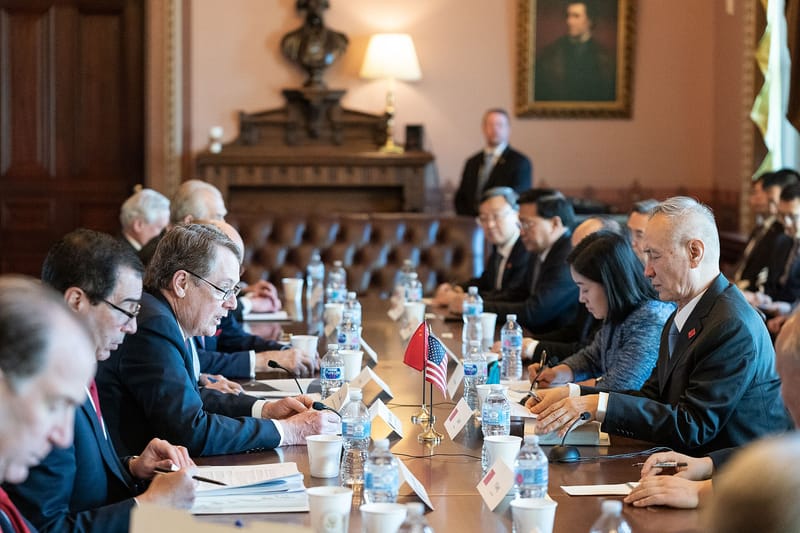
US and Chinese officials hold first meeting of bilateral US-China Board of Trade
The Office of the US Trade Representative said US and Chinese officials held the first official meeting of the US-China Board of Trade on 13 November 2026, but the reports reviewed by Vocemundi give no details of its agenda or outcomes.

Bessent says US agencies backed blacklisting Megaspeed for months, decision rests with Commerce
US Treasury Secretary Scott Bessent said on CNBC that agencies had long favoured adding cloud computing firm Megaspeed to the US entity list, but that the Commerce Department makes the call, as congressional scrutiny of Commerce and Nvidia grows.
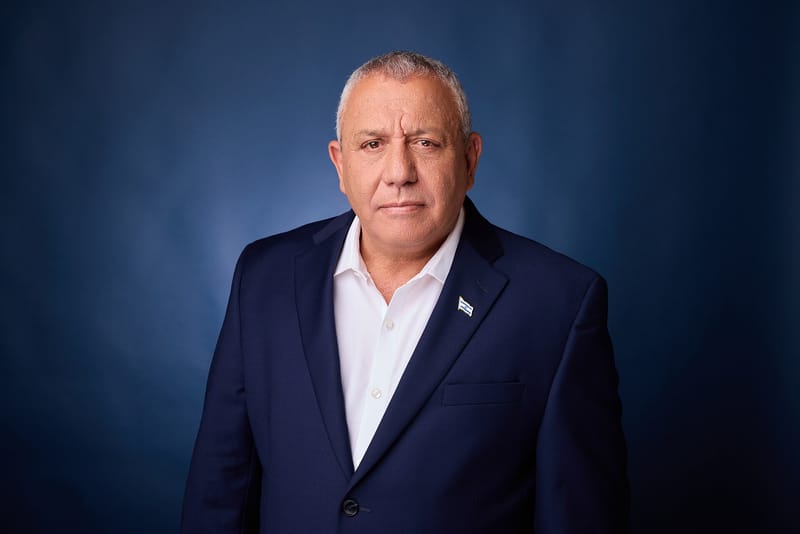
Arab parties' 19 seats could decide Eisenkot's coalition bid amid right-wing criticism
Israeli prime ministerial candidate Gadi Eisenkot has called for respect for the country's Arab minority, according to The Hindu, after Benjamin Netanyahu and other right-wing figures linked Arab lawmakers to Hamas.
Comments