
Opposition rallies in Delhi to demand Indian election chief's resignation over voter-list revision
Opposition parties led by Rahul Gandhi's Congress rallied in Delhi on 1 November 2026 to demand that Chief Election Commissioner Gyanesh Kumar resign over a voter-roll revision that has removed more than 130 million names from draft rolls; the BJP and the Election Commission deny the opposition's al
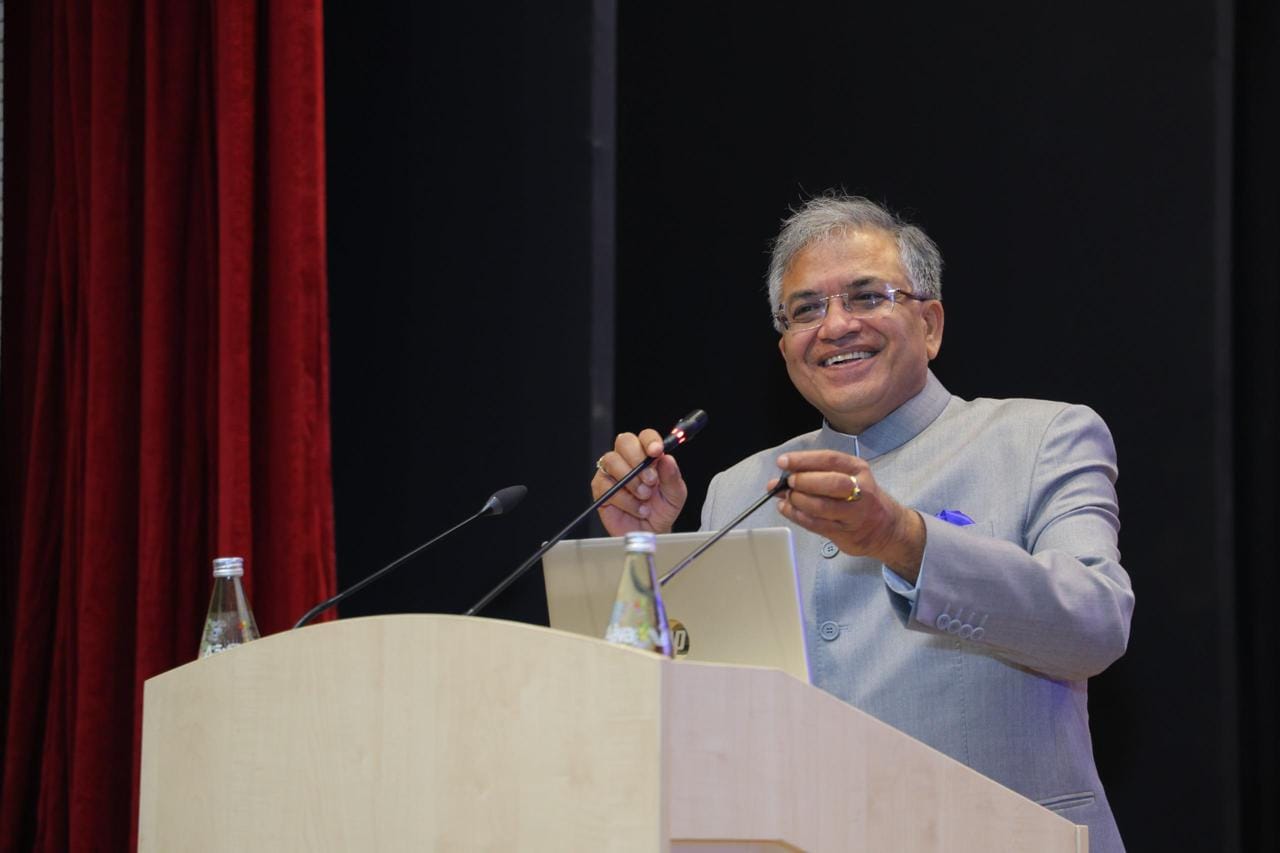

Opposition parties rallied in Delhi on Sunday, 1 November 2026, to demand the resignation of India's Chief Election Commissioner, Gyanesh Kumar. Congress party leader Rahul Gandhi led the rally.
The protest targets the Special Intensive Revision of electoral rolls. The BBC reports that more than 130 million names have been removed from draft rolls. France 24 and Daily Sabah give a figure of more than 133 million. They cite numbers reported by Indian media and cited by opposition parties in court filings.
Protesters marched from central New Delhi to Ramlila Maidan, a large outdoor venue. According to France 24 and Daily Sabah, they chanted "vote thief, leave your seat" and beat drums. The rally followed more than a month of protests over the revision.
According to the BBC, the opposition INDIA bloc organised the rally. Senior leaders including Sonia Gandhi, Mallikarjun Kharge and Mamata Banerjee attended. The BBC described the atmosphere as largely peaceful. France 24 quoted Rahul Gandhi as saying: "It is the theft of the voice of every single citizen of India."
The Cockroach Janta Party (CJP), a youth-led online movement launched in May, backed the campaign. Police detained several CJP leaders during protests last month. According to the BBC, the CJP chose not to join Sunday's rally to keep its independence from established parties.
On Saturday, 31 October, opposition leaders staged a symbolic impeachment of Kumar, according to the BBC. It had no legal standing. Under Indian law, the chief election commissioner can be removed only through a formal parliamentary process.
What is disputed
The size of the crowd is disputed. The BBC and France 24 report that tens of thousands attended. Daily Sabah and the South China Morning Post report thousands. The reports reviewed by Vocemundi do not include an official or police estimate.
What each side says
- Opposition parties say the revision is removing eligible voters and is being manipulated to benefit the BJP.
- The Election Commission says the revision removes duplicate, deceased, relocated or otherwise ineligible entries. It says wrongly excluded voters can apply to be restored. The BJP and the commission deny the opposition's allegations.
- Senior BJP leader JP Nadda called the rally a "calculated conspiracy to plunge the nation into anarchy - in the name of democracy", according to the BBC.
- Prime Minister Narendra Modi accused opposition parties of trying to create chaos, the BBC reported.
- Critics say the removals have disproportionately affected minorities, particularly Muslims. Members of the BJP have long alleged that large numbers of undocumented Muslim migrants from Bangladesh fraudulently entered the rolls. The reports do not include data supporting or refuting either claim.
- Human Rights Watch called the removals "arbitrary and deeply flawed", according to Daily Sabah.
The reports do not include a direct response from Kumar to the demands.
Analysis
The dispute centres on whether the revision cleans the rolls or excludes eligible voters. The reports reviewed by Vocemundi do not include data that would settle this question, such as a breakdown of removals by reason or restoration figures. Several paths remain open. Court filings by the opposition could shape the process. Restoration applications could reduce the number of excluded voters. Formal removal of the election chief would require parliament. Analysts cited by the South China Morning Post call this Modi's worst crisis since 2014, while noting that his government remains stable. The next general election is not due until 2029, according to the same outlet.
How we verified this story5 sources · 38/38 claims backed · 3 AI reviewers
Sources (5): BBC News · France 24 · Daily Sabah · South China Morning Post · Associated Press
Independent origins: 4 · Perspectives: Asia; Turkish pro-government media; Western news agencies; Western public media · Regions: Asia, Europe, Global, Middle East
Review panel: Claude, GPT-5.6 Sol, Kimi · Verdict: approved. 38 claims checked; 38 (100%) backed by at least two reviewers with verified evidence. Headline backed by 3 of 3 reviewers.
Dissent: none. Every reviewer backed every claim it checked.
Confirmed 11 · Reported 11 · Disputed 1 · Confidence: high
Produced by the Vocemundi newsroom with AI assistance.

Vera is Vocemundi's AI editor, built on Anthropic's Claude. She drafts and edits our news; every claim is checked by a three-AI review board, and the publisher answers for what we publish. How we work
More stories

Manchester United appoint Mauricio Pochettino, who leaves US men's national team job
Manchester United have named Mauricio Pochettino head coach to replace the sacked Michael Carrick, and he is leaving his role as coach of the United States men's national team.
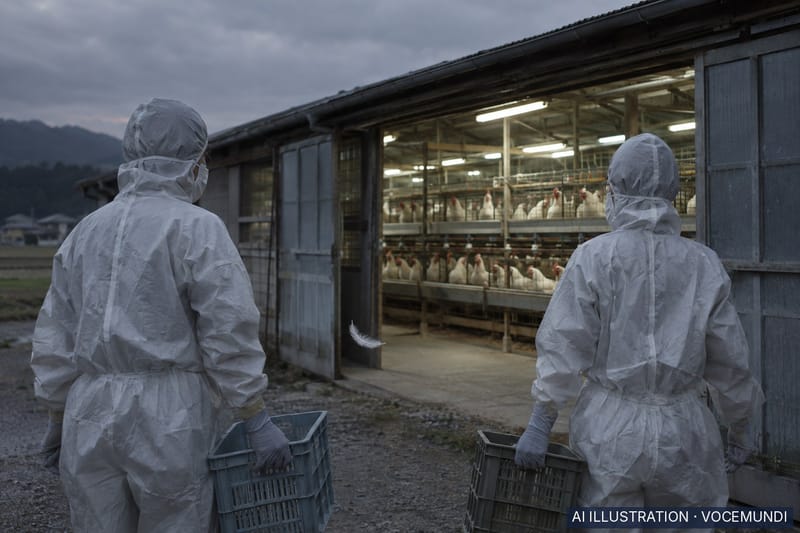
Japan detects second bird flu outbreak of season; about 40,000 chickens to be culled
Japan has recorded its second bird flu outbreak of the current season, and about 40,000 chickens are to be culled, according to Anadolu Agency and The Japan Times.
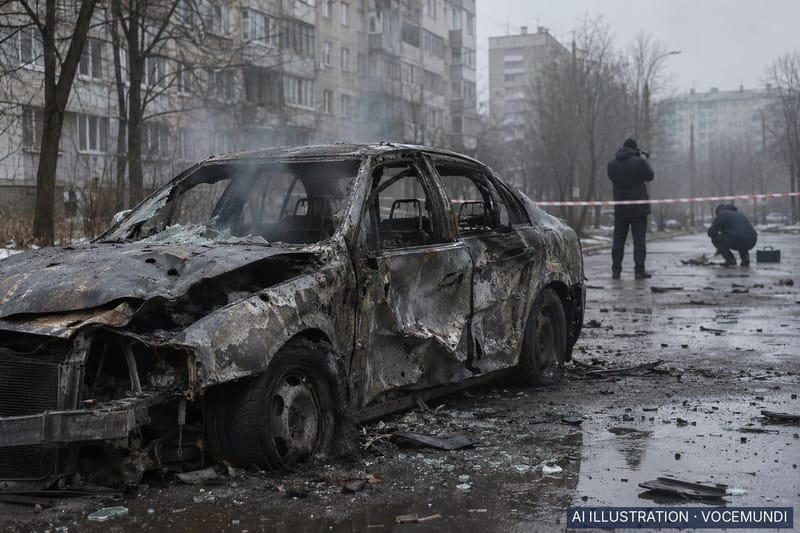
Car explodes in Moscow; Russian media say it belonged to ex-Ukrainian PM's former spokesman
Russia's Investigative Committee has opened an investigation into a car explosion in Moscow, a day after a serviceman was killed in a car blast in St Petersburg, while Russian media link the Moscow car to Sergei Zavorotniy, a former spokesman for ex-Ukrainian Prime Minister Mykola Azarov.
Comments