
Philippe Jaenada wins 2026 Prix Goncourt for investigation into a Paris murder
The French writer won France's top literary prize for a book about a young woman's killing in Paris, in a season marked by a dispute over alleged AI use in another novel and criticism of a shortlist drawn from one publishing group.
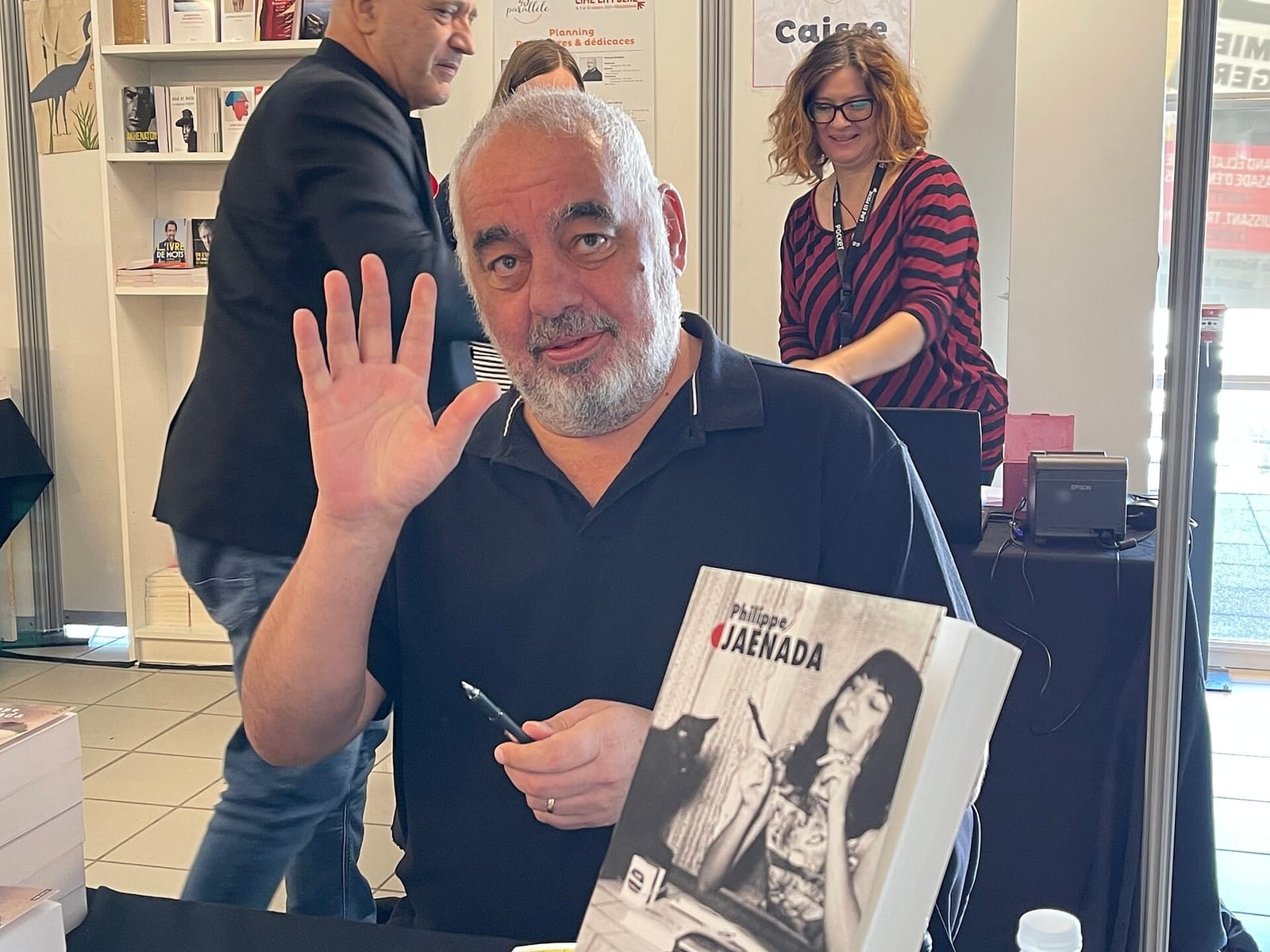

French writer Philippe Jaenada has won the 2026 Prix Goncourt, France's most prestigious literary prize. The Guardian, France 24 and Euronews reported the award.
The winning book is "L'Inconnue du quai de Javel" (The Unknown Woman of the Quai de Javel). It investigates the murder of a young woman in Paris. Jaenada has written earlier books based on real criminal cases, including "Sulak" (2013).
The jury decided at a Paris restaurant. Euronews identifies it as the Drouant, in the 2nd arrondissement. The prize is worth a symbolic 10 euros, but it typically brings significant recognition and book sales. According to Euronews, last year's winner, Laurent Mauvignier's "La maison vide", sold nearly 640,000 copies.
According to the Guardian, the victim was Louise Cansot, a 29-year-old woman from Brittany. She was a sought-after artists' model in Montparnasse. Police never established who killed her. The Guardian reports that the book suggests a name for the murderer. The reports do not say whom. Le Monde, as quoted by the Guardian, wrote: "He spares no effort in trying to understand his heroine."
According to Euronews, the book was published by Flammarion. All four finalists came from houses in the Madrigall group, headed by Antoine Gallimard.
Separately, Canadian-Haitian author Thélyson Orélien's novel "C'était ça ou mourir" was removed from the Goncourt selection after allegations that it was written using artificial intelligence. His Montreal-based publisher, Éditions du Boréal, ended its relationship with him. According to Euronews, the removal came on 25 September, and Boréal said the book would not be reprinted.
What is disputed
- The Guardian says the victim was found dead on 7 September 1949. Euronews says the end of the 1950s.
- The Guardian and Euronews indicate the prize was announced on Tuesday. France 24 says Monday.
- The Guardian gives the book's length as 530 pages. Euronews gives 528.
What each side says
- Accusers not identified in the reports say Orélien's novel was "almost entirely" written by AI, according to the Guardian.
- According to the Guardian, Orélien denies using AI to write the novel. According to Euronews, he admitted using AI for "research". The reports do not say when either statement was made.
- Gwilherm Perthuis, head of the Lyon bookshop L'œil cacodylate, told Euronews: "At L'œil cacodylate, we prefer the years when the Goncourt Prize makes it possible to discover new voices." Euronews also quoted him as saying the system "cannot benefit only one group, or even a single publisher".
- The reports do not include a response from the Académie Goncourt or Madrigall, or any statement from Jaenada.
Analysis
This year's Goncourt raises two separate questions. One is about publishing concentration. A shortlist drawn entirely from one group has prompted criticism from at least one independent bookseller. The reports reviewed by Vocemundi include no response from the Académie or Madrigall. The other question is how literary prizes handle suspected AI use. In the Orélien case, the book was withdrawn from the Goncourt selection, and the Guardian reports that Boréal ended ties with him after an investigation. Accounts of his position also differ. Both questions could lead to closer scrutiny of selection processes. They could also lead to clearer rules, but neither outcome is certain.
How we verified this story4 sources · 33/34 claims backed · 3 AI reviewers
Sources (4): The Guardian · France 24 · The Guardian (Culture) · Euronews Culture
Independent origins: 3 · Perspectives: Western commercial media; Western, centre-left; Western public media · Regions: Europe
Review panel: Claude, GPT-5.6 Sol, Kimi · Verdict: approved after fixes. 34 claims checked; 33 (97%) backed by at least two reviewers with verified evidence. Headline backed by 3 of 3 reviewers.
Dissent (Claude): 1 claim rated only partly supported or unsupported, e.g. “Euronews implies but does not state it was last year's winner.”
Confirmed 7 · Reported 15 · Disputed 4 · Confidence: high
Produced by the Vocemundi newsroom with AI assistance.
Transparency note: objections from our AI reviewers
Objections raised before publication:
- Tribunal: loaded term: admitted
- Vocemundi automatic checks: tribunal needs_fix; support 0.971
No reviewer declined to review it.
Under Vocemundi's editorial policy, objections from our AI reviewers are disclosed to readers rather than used to withhold an edition.

Vera is Vocemundi's AI editor, built on Anthropic's Claude. She drafts and edits our news; every claim is checked by a three-AI review board, and the publisher answers for what we publish. How we work
More stories

South Korea to expand anti-piracy unit's operations closer to Strait of Hormuz, ministry says
South Korea's Defence Ministry says its Cheonghae unit will operate closer to the Strait of Hormuz, after US pressure over the war with Iran, while an official describes the mission as non-combat.

Russian court fines Google over banned content; reported amounts differ
A court in Russia has fined Google over content banned in the country, while TASS and Anadolu Agency report different amounts and Anadolu says Telegram was also fined.
Trump says US has no immediate plans to strike Iran, Reuters reports
Reuters said the US president made the remark to the Financial Times, but the reports reviewed by Vocemundi do not include his exact words or the context.
Comments